

Reported by: Ijeoma G | Edited by: Gabriel Osa
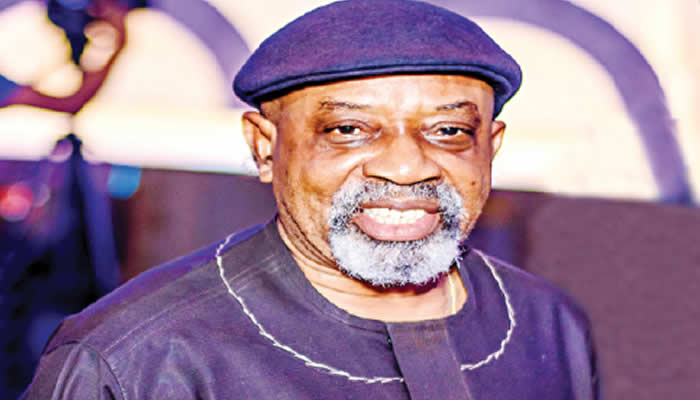
The unexpected detention of former Anambra State Governor and immediate past Minister of Labour and Employment, Dr. Chris Ngige, by Nigeria’s Economic and Financial Crimes Commission has triggered widespread public interest, political reactions and renewed debates on the pace, fairness and transparency of the country’s anti-corruption drive. The arrest, which occurred in Abuja and was later confirmed by his former media aide, Fred Chukwuelobe, has become a defining moment in a week marked by heightened scrutiny of high-profile political figures. Though the EFCC has not yet released an official statement outlining the reasons for taking the former minister into custody, his detention has already raised significant questions about accountability, governance and the future trajectory of public integrity processes in Nigeria.
Ngige, known across the country for his long and sometimes turbulent career in public service, served as governor of Anambra State from 2003 to 2006 before becoming a two-term Minister of Labour and Employment. His political life has been marked by controversies, policy battles, reform initiatives and clashes with various factions within the political system. The fact that such a prominent figure is now sitting in the custody of the EFCC has inevitably provoked discussion among political analysts, civil society groups and ordinary Nigerians who continue to grapple with concerns over corruption, mismanagement of
public resources and the uneven application of justice in the country.
The development came to public knowledge when Chukwuelobe issued a short but definitive clarification after rumours began to circulate online suggesting that the former minister had been kidnapped. According to him, Ngige was not abducted but had been taken in by the anti-graft agency. The confirmation immediately reshaped the national conversation, shifting attention from speculation about his safety to speculation about the underlying reasons for the EFCC operation. With no official charges or specific allegations publicly announced, the vacuum of information has opened the door to a range of interpretations, from routine questioning to a possible full-scale investigation into activities that may have occurred during his time in office.
In recent years, the EFCC has intensified its scrutiny of former governors, ministers and senior bureaucrats amid growing pressure to demonstrate tangible progress in reducing corruption. These efforts, while sometimes praised, have also faced criticism over perceived selectivity and politicization. The current case involving Ngige lands squarely in the middle of that debate, prompting fresh calls for transparency. Legal experts argue that the public deserves a full explanation of why someone of his stature has been detained, especially given Nigeria’s history of opaque anti-corruption investigations. At the same time, others have urged patience, warning that premature conclusions could distort the reality of the ongoing inquiry.
Ngige’s recent experiences also add layers to the unfolding narrative. Just weeks ago, his convoy was attacked in Anambra State by armed assailants, an incident that left civilians and security personnel injured. Although the politician was not in the vehicle at the time, the attack raised concerns about his security and the tense political environment in parts of the southeast. The combination of the convoy assault and his current detention has created an atmosphere of heightened sensitivity around his personal and political circumstances.
Reactions from political circles have varied widely. Supporters of the former minister have expressed confidence that he will clear his name, describing him as a public servant with decades of experience and significant contributions to national development. Some have criticized what they regard as aggressive policing approaches against senior politicians, arguing that due process should not only be followed but visibly demonstrated to avoid undermining public trust. Meanwhile, critics have insisted that accountability must be applied uniformly, regardless of an individual’s political history or perceived influence.
Civil society organizations monitoring governance issues have seized the moment to push for reforms in how the EFCC communicates with the public. They contend that silence from the agency during high-profile detentions often encourages misinformation and erodes confidence in the fairness of investigations. Many have called for clear, timely updates on Ngige’s case to help ensure that Nigerians are accurately informed about developments and that all processes remain within the framework of the law.
Despite the public speculation, one fact remains clear: the former governor is in EFCC custody, and the nation is now watching closely to see what follows. Depending on the outcome of the inquiry, the case could either reinforce or undermine ongoing efforts to strengthen Nigeria’s anti-corruption institutions. The coming days or weeks may bring official statements, court documents or further investigative action that will offer a fuller understanding of the situation. For now, key questions remain unanswered, leaving room for public curiosity, political positioning and journalistic investigation.
Ngige’s current predicament also reopens broader questions about the role of public officials, the handling of state resources and the responsibilities of political leaders long after they leave office. As corruption remains a major obstacle to Nigeria’s development aspirations, each new case inevitably becomes a test of political will, institutional competence and public tolerance for inconsistent justice. Whether the EFCC’s handling of this case strengthens or complicates that struggle will largely depend on transparency, fairness and adherence to legal procedures.
As the situation continues to evolve, Nigerians across regions and political divides are paying close attention. Many hope that whatever the allegations or findings may be, the process will set a precedent for handling future cases involving influential figures. In an environment where corruption remains deeply entrenched, moments like this carry immense symbolic weight. They signal to citizens whether the country is moving toward a more accountable future or repeating longstanding cycles of selective justice and opaque investigations.
For now, what remains certain is that Dr. Chris Ngige’s detention has opened a new chapter in the conversation around governance and accountability in Nigeria. Whether this chapter will ultimately advance the rule of law or deepen partisan tensions depends on what comes next — and how openly the nation’s anti-graft institutions communicate the path ahead.
📩 Stone Reporters News | 🌍 stonereportersnews.com
✉️ info@stonereportersnews.com | 📘 Facebook: Stone Reporters | 🐦 X (Twitter): @StoneReportNew | 📸 Instagram: @stonereportersnews
Add comment
Comments