

Reported by: Oahimire Omone Precious | Edited by: Gabriel Osa
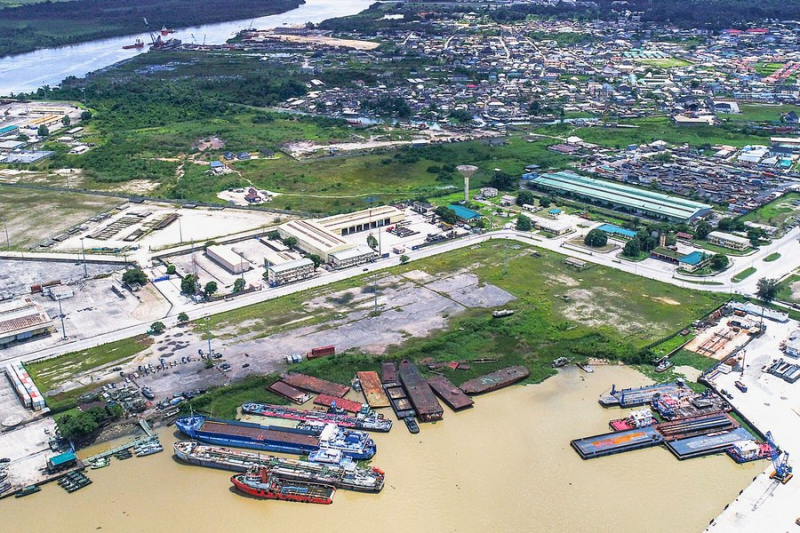
The House of Representatives has called on the Nigerian Ports Authority (NPA) to fast-track the decentralization of port operations, stressing that the overreliance on Lagos ports has created severe congestion that continues to hamper trade and disrupt the country’s supply chain. Lawmakers recommended moving specific port activities to Warri, Koko, Burutu, and Sapele ports to enhance operational efficiency and stimulate regional economic development.
Speaking on the floor of the House, Hon. Adebayo Ogunleye said, “Lagos ports have served Nigeria for decades, but the current level of congestion is unacceptable. Our businesses, importers, and exporters are losing billions of naira annually to delays. It is time to leverage our other ports to spread the load, create jobs, and foster development outside Lagos.”
The House noted that Lagos, despite being the nation’s busiest maritime hub, is overburdened, leading to long turnaround times for vessels, rising demurrage costs, and logistical bottlenecks that ripple across multiple sectors of the economy. Members stressed that the Niger Delta ports, particularly Warri, Koko, Burutu, and Sapele, are strategically positioned to handle expanded cargo operations if properly equipped and managed.
Hon. Blessing Eke, a member of the House Committee on Marine Transport, highlighted the broader benefits of decentralization, stating, “Redistributing port operations is not only about decongesting Lagos; it is also about unlocking the economic potential of the Niger Delta. We must ensure that these ports are adequately staffed, well-maintained, and supported with the right infrastructure to take on additional cargo volumes.”
The lawmakers urged the NPA to implement practical measures including modernized equipment, improved administrative processes, and targeted investment in infrastructure to ensure that the secondary ports can operate efficiently and handle the increased demand. They emphasized that a successful decentralization plan would reduce operational costs, improve trade competitiveness, and create employment opportunities in the regions hosting the ports.
In conclusion, the House called on all stakeholders to collaborate in ensuring that the decentralization process is executed swiftly and effectively. “Time is of the essence. The longer we delay, the greater the losses to the economy,” Ogunleye added.
While the NPA has not yet issued an official response to the House’s directive, port operators and logistics stakeholders have expressed cautious optimism, noting that a well-implemented decentralization strategy could revolutionize cargo handling in Nigeria, reduce congestion in Lagos, and distribute economic benefits more equitably across the country.
📩 Stone Reporters News | 🌍 stonereportersnews.com
✉️ info@stonereportersnews.com | 📘 Facebook: Stone Reporters | 🐦 X (Twitter): @StoneReportNew | 📸 Instagram: @stonereportersnews
Add comment
Comments