

Reported by: L. Imafidon | Edited by: Gabriel Osa
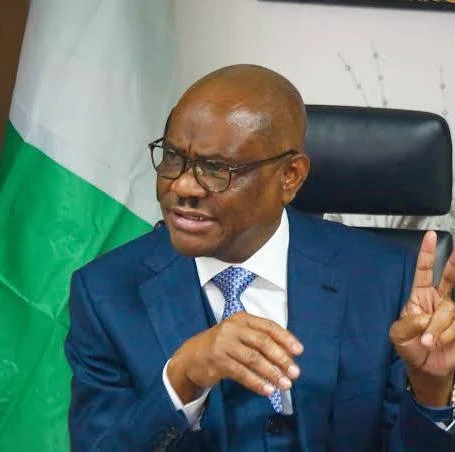
Tension has heightened in Abuja as a coalition of indigenous contractors in the Federal Capital Territory accused the Minister of the FCT, Chief Nyesom Wike, of allegedly deploying police forces to suppress a planned protest over unpaid contracts valued at ₦5.2 billion. The contractors, who claim to have executed government-awarded projects across several area councils, say months of engagement with relevant authorities have failed to yield payment, leaving many of them financially distressed and on the brink of collapse.
Speaking on behalf of the group in Abuja, representatives of the contractors alleged that their peaceful attempt to draw attention to the outstanding payments was met with what they described as intimidation and excessive security presence. According to them, police officers were deployed to strategic locations where the protest was expected to take place, effectively preventing the demonstration from holding. The contractors insist that their action was intended to be lawful and non-violent, aimed solely at appealing to the authorities to honour contractual obligations.
The aggrieved contractors claim the unpaid projects span road construction, drainage works, school rehabilitation, and other public infrastructure across the six area councils of the FCT. They argue that many of these projects were completed in line with contractual specifications and duly certified by supervising agencies, yet payments have remained outstanding. Some contractors said they had taken loans from banks and cooperative societies to execute the projects, and the prolonged delay in payment has resulted in mounting debts, penalties, and in some cases the seizure of personal assets.
Several of the contractors narrated how the financial strain has affected their businesses and families. They said staff salaries have gone unpaid for months, equipment has been grounded, and some firms have been forced to shut down operations entirely. Beyond the economic impact, they warned that continued neglect of indigenous contractors undermines local capacity development and contradicts government commitments to empower local businesses in the nation’s capital.
The contractors further alleged that repeated letters and petitions to the FCT Administration and relevant departments had gone unanswered. According to them, their decision to protest was a last resort after exhausting all formal channels. They expressed disappointment that instead of dialogue, they were allegedly met with what they termed a show of force, which they believe infringes on their constitutional right to peaceful assembly.
In response to the allegations, officials close to the FCT Administration have maintained that the minister remains committed to transparency and due process in contract payments. They argue that payment delays, where they occur, are often linked to verification procedures, budgetary approvals, and the need to ensure that projects meet required standards before public funds are released. Supporters of the minister also reject claims of police intimidation, insisting that security agencies have a duty to maintain public order, especially in the nation’s capital.
The Nigeria Police Force has not issued a detailed public statement specifically addressing the contractors’ claims. However, police sources in Abuja reiterated that officers are routinely deployed to monitor gatherings and protests to prevent breaches of peace and protect lives and property. They stressed that such deployments should not automatically be interpreted as attempts to suppress lawful expression, but rather as preventive measures in a city that hosts key national institutions.
Civil society organisations and labour rights advocates have weighed in on the controversy, urging restraint and dialogue. Some groups have called on the FCT Administration to urgently engage the contractors, verify their claims, and provide a clear timeline for resolving any legitimate outstanding payments. They warn that unresolved grievances among contractors could have broader implications for public trust and economic stability, particularly at a time when many small and medium-scale enterprises are struggling under inflationary pressures.
Political observers note that the accusations come amid heightened scrutiny of governance and accountability in Nigeria, with citizens increasingly demanding openness in the management of public resources. They say the situation presents a test for the FCT Administration’s ability to balance fiscal discipline with fairness to contractors who form a critical part of public infrastructure delivery. Analysts also caution that prolonged disputes over unpaid contracts could discourage future participation by local firms in government projects, potentially increasing reliance on external contractors.
The contractors have vowed to continue pressing their demands through legal and civic channels, insisting that their goal is not confrontation but justice. They have appealed to President Bola Tinubu and relevant oversight bodies to intervene, arguing that prompt payment of verified contracts would not only ease their hardship but also stimulate economic activity within the FCT. Some members of the group said they remain open to dialogue, provided it leads to concrete outcomes rather than further delays.
As the situation unfolds, public attention remains focused on how the FCT Administration will address the allegations and the underlying issue of unpaid contracts. For many residents, the controversy highlights the human cost behind policy decisions and administrative bottlenecks, reminding authorities that infrastructure development is closely tied to the livelihoods of those tasked with delivering it. Whether through negotiation, verification, or phased payment arrangements, stakeholders agree that a swift and transparent resolution is necessary to prevent further escalation.
📩 Stone Reporters News | 🌍 stonereportersnews.com
✉️ info@stonereportersnews.com | 📘 Facebook: Stone Reporters | 🐦 X (Twitter): @StoneReportNew | 📸 Instagram: @stonereportersnews
Add comment
Comments