

Reported By Mary Udezue | Edited by: Gabriel Osa
Ilorin, Nigeria — Renewed controversy has erupted in Kwara State after a member of the Miyetti Allah Cattle Breeders Association was apprehended while carrying a rifle reportedly issued by the Office of the National Security Adviser (NSA), prompting intense public debate over the involvement of non‑state actors in security arrangements and their connection to local government‑supported vigilante arrangements.
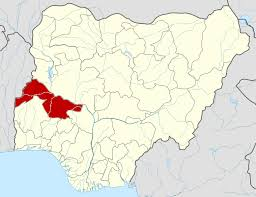
According to independent reports from local media, the suspect, identified as a Miyetti Allah affiliate, was seen in possession of a firearm said to have been provided by the NSA as part of a broader security effort to tackle rising violence and criminality in southern parts of the state. Residents became alarmed when he was spotted openly carrying the rifle in a community in Kwara South, a region that has experienced frequent attacks, kidnappings and terror incidents in recent months.
Community members raised suspicions after noting that the weapon appeared to be beyond the standard hunting arms typically associated with pastoralen livelihoods, and they promptly alerted security officials. Police units responded and took the individual into custody, handing him over for investigation; as of the latest reports, the Kwara State Police Command had not issued an official statement on the arrest or clarified the precise circumstances under which the weapon was acquired or issued to him.
The situation has compounded broader anxieties stemming from a separate and highly publicised incident in which a group of armed men carrying AK‑47 rifles was intercepted — allegedly while patrolling with a vehicle reportedly supplied through local government channels — leading to widespread speculation about the role of non‑state actors in security operations. At the time, those suspects claimed in video footage that weapons and the vehicle were provided to them by government sources.
In the wake of those earlier allegations, the Kwara State Government openly clarified that the armed individuals were members of Miyetti Allah involved in a federal security operation coordinated by the NSA, and not criminals or bandits. The authorities maintained that the deployment was part of a joint security initiative following deadly attacks in the region, designed to supplement conventional forces, and insisted it was authorised at the federal level rather than by the state itself.
Nevertheless, the government’s clarification has not quelled public outrage. Civil society groups, local opinion leaders, and security analysts have called for a thorough and transparent investigation into the use of non‑state actors, including members of Miyetti Allah, in armed patrols and vigilante roles. Critics argue that arming and deploying associations with unclear command structures risks undermining legal norms and exacerbating communal tensions, especially in ethnically diverse states like Kwara where suspicions about security collaborations can inflame socio‑political fault lines.
Government officials have countered such concerns by stressing that the operation was conceived under federal direction through the NSA’s office, intended as a temporary security response to mounting attacks. According to state communicators, these arrangements were made in consultation with recognised security agencies and local vigilante networks to bolster internal security capacity where conventional forces were stretched thin. They have urged the public to exercise restraint and cautioned against misinterpretations of sensitive security matters.
Nonetheless, residents and civic advocates continue to call for clarity — particularly on how weapons were distributed, who authorised them, and what frameworks govern the engagement of non‑state actors in security roles. Many observers argue that without clear oversight and accountability, such practices could blur the lines between formal security forces and civilian groups, potentially leading to abuses or misidentification that fuel rather than quell violence.
As investigations progress and debate intensifies, Kwara State finds itself at the centre of a national conversation over security policy, the role of informal groups in internal policing, and the need to balance community protection with adherence to constitutional authority and public trust. The government’s next steps — including any formal inquiries or policy clarifications — will likely influence public confidence in security governance not only in Kwara but across states grappling with similar challenges.
📩 Stone Reporters News | 🌍 stonereportersnews.com
✉️ info@stonereportersnews.com | 📘 Facebook: Stone Reporters | 🐦 X (Twitter): @StoneReportNew | 📸 Instagram: @stonereportersnews
Add comment
Comments