

Reported by: Ijeoma G | Edited by: Gabriel Osa
Washington — In a dramatic intensification of U.S. immigration policy, the Department of Homeland Security (DHS) has announced a temporary increase in financial incentives for undocumented migrants to voluntarily leave the United States by the end of the year. The policy, unveiled by Homeland Security Secretary Kristi Noem on December 22, offers a $3,000 “exit bonus” and free airfare to individuals who register to self‑deport through an official government mobile application before December 31, 2025.
The initiative represents a threefold increase over an earlier $1,000 stipend and is being framed by the administration as part of a holiday‑season campaign aimed at accelerating voluntary departures and reducing the costs associated with traditional enforcement actions. DHS officials have emphasised that the program is intended to provide a more orderly and cost‑efficient alternative to arrests, detention, and forced removals, which they say typically cost significantly more per person.
According to DHS, migrants who choose to take part in the program and are confirmed to have left the United States will receive the $3,000 bonus once their departure is verified. In addition to the cash incentive, participants will be flown back to their home countries at no expense, and certain civil fines or penalties related to unlawful presence may be waived. The government has repurposed the CBP Home app — previously used for other immigration processing — to enable migrants to signal their intent to depart and to facilitate logistical arrangements.
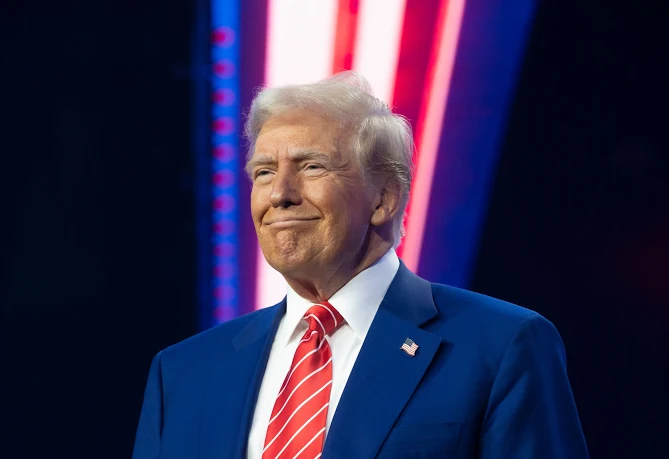
The department’s messaging around the initiative has been stark. Secretary Noem and administration officials have made clear that the offer is time‑limited and that those who do not depart voluntarily may face enforcement actions, including arrest and removal without the possibility of return. The policy is part of a broader push by the Trump administration to heighten immigration enforcement, which has included expanded deportation efforts and tightened border controls.
The self‑deportation incentive program has been promoted within the government as a way to encourage undocumented migrants to leave “on their own terms” rather than through traditional enforcement mechanisms. DHS spokespeople have suggested that the cash stipend and travel support can make voluntary departure a more attractive option than enduring detention and deportation procedures. Officials also argue that cheaper voluntary self‑deportations could save taxpayer money compared with the estimated average cost of arresting, detaining, and removing individuals through conventional channels.
However, the policy has sparked significant debate among immigration experts, civil rights advocates, and legal scholars. Critics characterise the measure as coercive and warn that it may exploit vulnerable populations who feel they have little choice but to accept the offer. They have also raised questions about transparency and implementation, noting that detailed data on how many migrants have participated or actually received prior incentives is limited. Some observers highlight past concerns about similar programs not delivering promised payments to participants, suggesting that the practical benefits may be uneven.
Supporters of the administration’s approach defend it as a pragmatic step that acknowledges the realities of enforcement resource limits and the high costs of detention operations. They suggest that the holiday timing and elevated cash bonus could motivate individuals to depart before intensified enforcement actions resume in the new year. Proponents argue that voluntary self‑deportation, accompanied by financial assistance and travel support, could reduce backlogs and focus enforcement resources on individuals with criminal records or those who pose public safety risks.
The program’s timing — tied explicitly to the end of the calendar year — underscores the administration’s urgency in reducing the undocumented population before new enforcement priorities take effect in 2026. Underlying these policy shifts is the broader immigration agenda of the Trump administration, which has repeatedly emphasised a tough stance on illegal immigration and a commitment to returning individuals to their countries of origin.
Public reaction in the United States has been mixed. Some advocacy groups and immigrant‑rights organisations condemn the measure as inhumane and fear it could create lasting trauma for families who feel pressured to leave. These groups argue that the policy fails to address root causes of migration and may inadvertently separate families or disrupt communities. Meanwhile, certain conservative voices laud the initiative, framing it as a creative enforcement tool that respects individual agency while advancing secure borders.
International responses to the program have been cautious. Governments of countries with large diasporas in the U.S. have said they are monitoring developments closely, balancing concerns about returning citizens with respect for U.S. domestic policy decisions. Some foreign officials have highlighted the importance of ensuring humane treatment and support for returnees, including access to reintegration services upon arrival in their home countries.
The holiday‑season self‑deportation incentive arrives amid a broader period of intense immigration policy activity in the United States. It follows earlier measures aimed at curbing illegal border crossings, changing asylum‑processing procedures, and increasing funding for enforcement agencies. As the year closes, DHS officials are expected to release additional details on participation and outcomes, which could influence future immigration debates and policy decisions in 2026. (Reuters)
With the deadline rapidly approaching, undocumented migrants and advocacy organisations are preparing for a flurry of decisions and actions. Many are weighing the offer against the risks of remaining undocumented, while legal experts continue to analyse the policy’s implications for immigration law and human rights in a period marked by heightened political and social division over border and migration policy.
📩 Stone Reporters News | 🌍 stonereportersnews.com
✉️ info@stonereportersnews.com | 📘 Facebook: Stone Reporters | 🐦 X (Twitter): @StoneReportNew | 📸 Instagram: @stonereportersnews
Add comment
Comments