

Reported by: Oahimire Omone Precious | Edited by: Gabriel Osa
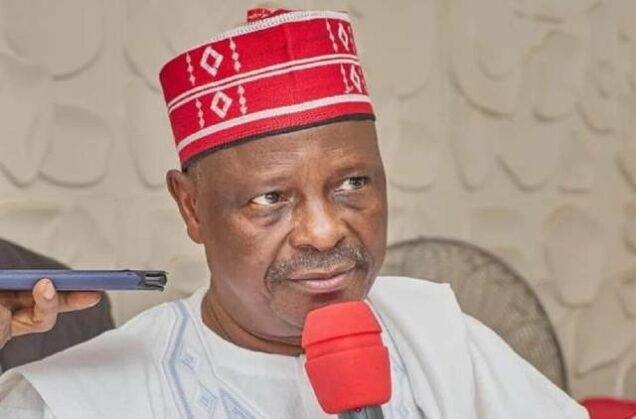
Kano, Nigeria — Senator Rabiu Musa Kwankwaso, a former governor of Kano State and ex‑Minister of Defence, has attributed the enduring insecurity across Nigeria not to the incapacity of the nation’s armed forces but to a lack of political will at the highest levels of government. His comments, made on 24 December 2025 while serving as Special Guest of Honour at the passing‑out parade of 2,000 newly recruited personnel of the Kano State Neighbourhood Watch Corps, have added a prominent voice to ongoing national debates about the root causes and solutions to insecurity.
Kwankwaso, who also contested the 2023 presidential election, emphasised that Nigeria’s military has historically demonstrated capability and professionalism. Drawing on the performance of Nigerian troops in international peacekeeping missions — including deployments to Liberia, Sierra Leone, Darfur and Sudan — he underscored that Nigerian soldiers are capable of confronting security threats when adequately supported. “With the right equipment, training and firm leadership, they can defeat the criminal elements occupying ungoverned spaces in Nigeria,” he said.
In a statement posted on his verified social media account — and reiterated during his public address — Kwankwaso argued that the persistent rise in banditry, kidnappings and terror activity stems largely from insufficient leadership commitment and strategic direction rather than shortcomings of the military itself. “Our problem as a country is not the absence of capable soldiers,” he said, calling on President Bola Ahmed Tinubu‑led Federal Government to demonstrate stronger leadership through sustained investment in recruitment, training, retraining, modern equipment and logistical support for security agencies.
Kwankwaso’s remarks reflect a broader critique by some security analysts and political figures who argue that Nigeria’s security architecture suffers from policy and implementation gaps, with national responses often characterised by reactive measures rather than comprehensive, long‑term strategies. These voices contend that political hesitancy to deploy necessary resources, build resilient institutions, and sustain coordinated operations has allowed criminal networks and extremist groups to exploit weaknesses.
During his address, Kwankwaso also embraced the role of community‑based security initiatives, such as the Kano State Neighbourhood Watch Corps, as a complementary force to national security efforts. He urged the Federal Government to consider integrating trained youths from local security outfits across the north — including states such as Kano, Katsina, Sokoto, Kebbi and Zamfara — into the national security framework to bolster manpower and enhance responsiveness.
His comments arrive at a time when Nigeria continues to grapple with multiple layers of insecurity: banditry in the northwest and northcentral regions, insurgency in the northeast, communal clashes, and kidnapping for ransom across several states. These challenges have claimed thousands of lives, displaced communities, and disrupted economic and social life, prompting calls for renewed strategy. Analysts note that while military action remains an important component of the response, political leadership, governance reform, intelligence integration, community engagement and socioeconomic development must also be part of a holistic solution.
Critics of the current approach have long suggested that frequent shifts in security tactics — from kinetic offensives to negotiation‑led initiatives — without consistent leadership backing have diluted the impact of military efforts. Kwankwaso’s emphasis on political will resonates with this view, proposing that military strength without strategic direction and resource commitment from political leadership will continue to fall short in addressing the root causes of violent criminality.
Supporters of the former defence minister’s stance argue that genuine progress against insecurity will require a whole‑of‑government response that aligns political priorities with operational capacity, strengthens intelligence gathering, and fosters trust between communities and security agencies. Many also highlight the need for transparent oversight, accountability mechanisms within security institutions, and the empowerment of local actors to reduce dependence on reactive federal deployments.
For Kwankwaso, the message is clear: Nigeria’s security crisis will not be resolved merely through military engagement alone; it will demand political courage, strategic investment and sustained leadership commitment at the highest levels of government — a stance that may influence ongoing discussions on security policy as the nation approaches the 2027 general elections.
📩 Stone Reporters News | 🌍 stonereportersnews.com
✉️ info@stonereportersnews.com | 📘 Facebook: Stone Reporters | 🐦 X (Twitter): @StoneReportNew | 📸 Instagram: @stonereportersnews
Add comment
Comments