

Reported By Mary Udezue | Edited by: Gabriel Osa
Washington, D.C. — A senior member of the United States Congress has asserted that the Nigerian Government’s approach to protecting Christian communities and responding to extremist violence in the country is showing “shifting attitudes,” amid ongoing debate in Washington over how best to support vulnerable populations in Nigeria’s complex security landscape.
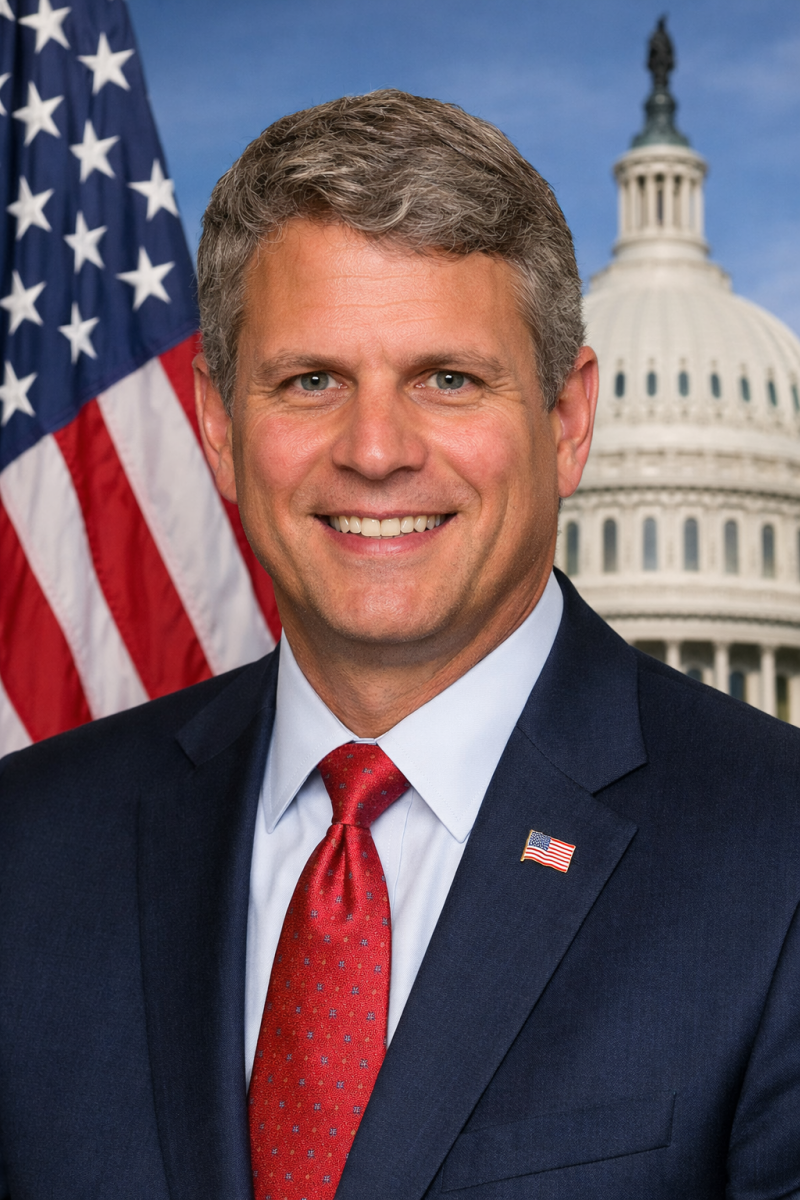
In comments posted on social media platform X, U.S. Representative Bill Huizenga described recent developments — including intensified cooperation between the United States and Nigeria against extremist groups — as evidence that Abuja’s security priorities appear to be evolving to better safeguard Christians alongside wider civilian populations. The lawmaker, who has been active on issues of international religious freedom, said the heightened attention to attacks on religious communities reflects a broader recognition within the Nigerian policy apparatus of the need to address these threats more decisively.
Huizenga, who recently led a congressional delegation to Nigeria, emphasised that his visit and subsequent engagements with Nigerian officials suggested early signs of what he termed a “turn in favour of protecting Christians” in the face of extremist attacks. He characterised recent U.S. military actions — including the airstrikes carried out in coordination with Nigerian authorities against Islamic State affiliates in the country’s northwest — as part of a broader commitment to assisting Nigeria in mitigating threats that have disproportionately affected religious communities.
“Our engagement in Nigeria shows that attitudes are beginning to shift toward stronger action to protect Christian communities who have faced horrific acts of violence,” the congressman said in his post, citing the posted strikes as indicative of both countries recognising the urgency of protecting vulnerable populations amid persistent insecurity.
The lawmaker’s comments come at a moment of heightened U.S. focus on Nigeria’s security crisis. In late December, U.S. forces carried out airstrikes against Islamic State elements in Sokoto State, described by U.S. officials as aimed at militants accused of targeting Christians and other civilians. The action, publicly announced by U.S. President Donald Trump and confirmed by U.S. Africa Command, underscored a more assertive stance by Washington toward extremist violence in Nigeria’s northwest. Nigeria’s Ministry of Foreign Affairs subsequently confirmed that the strikes were part of an ongoing “structured security cooperation” between the two governments, rooted in intelligence sharing and strategic coordination against terrorism.
However, U.S. positioning on this issue has not been without controversy. Previous statements from American lawmakers — including calls to designate Nigeria as a “Country of Particular Concern” under U.S. religious freedom law — cited alarming data on killings and attacks affecting Christians, arguing that Nigeria’s government must do more to stem sectarian and extremist violence. Some lawmakers, such as Senator Ted Cruz, have alleged that policies including the enforcement of certain northern state sharia laws contribute to an environment that enables persecution of religious minorities.
The Nigerian Government has consistently rejected characterisations of targeted persecution, stressing that terrorism and mass violence affect all Nigerians regardless of religion, and that its security operations are focused on combating armed groups such as Boko Haram, Islamic State West Africa Province (ISWAP) and bandit militias that have inflicted suffering across multiple communities. Officials have underscored constitutional protections for religious freedom and emphasised collaborative efforts with international partners, including the United States, to counter violent extremism while respecting Nigeria’s sovereignty.
Analysts note that U.S. lawmakers’ framing of Nigeria’s security challenges — particularly those involving religiously affiliated violence — reflects broader trends in Washington’s foreign policy debates over human rights, counterterrorism and the role of external military cooperation. While some actors commend Nigeria’s engagement in international security collaboration, others caution that framing violence primarily through a religious lens can oversimplify the root causes of conflict in a country where socioeconomic, ethnic, and criminal dynamics also play significant roles.
As discussions continue in both capitals, the perspectives expressed by U.S. legislators point to a renewed diplomatic and strategic emphasis on religious freedom and civilian protection in the context of Nigeria’s protracted security crisis — even as Abuja seeks to balance international cooperation with its own narratives and policy priorities.
📩 Stone Reporters News | 🌍 stonereportersnews.com
✉️ info@stonereportersnews.com | 📘 Facebook: Stone Reporters | 🐦 X (Twitter): @StoneReportNew | 📸 Instagram: @stonereportersnews
Add comment
Comments