

Reported by: Ijeoma G | Edited by: Gabriel Osa
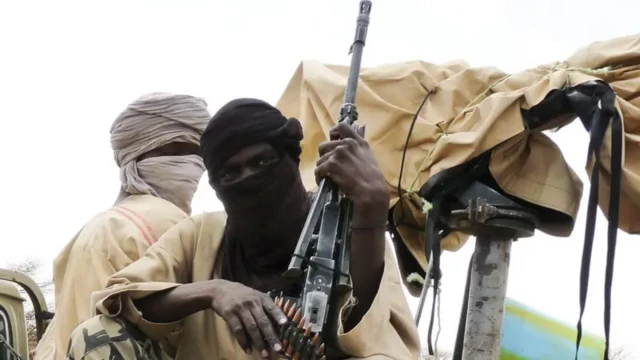
ZAMFARA STATE, Nigeria — A deadly assault by armed bandits on the Hayin Kastinawa community in Gora Ward, Birnin Magaji Local Government Area late on January 4, 2026 has left residents devastated and calling for immediate government intervention. According to multiple eyewitnesses and local sources, gunmen riding on motorcycles stormed the rural settlement under cover of darkness, unleashing violence that included sexual assaults on women and the abduction of at least 15 teenage girls.
The attack fits a pattern of brutal raids that have plagued communities in northwestern Nigeria for years, particularly in Zamfara State, where armed groups commonly target villagers for ransom, terror and control of territory. Though specific details from official security sources remain scant at this time, local residents described scenes of chaos and terror as the assailants overpowered community defences.
Relatives and neighbours said that married women were raped during the incursion, compounding the trauma felt across the community. In addition to the reports of sexual violence, at least 15 adolescent girls were abducted, with sources indicating that several may be held in forest hideouts typical of bandit kidnapping operations. Residents are demanding urgent action from the military, police and state authorities to secure the release of the captives and prevent further attacks.
The spate of kidnappings and attacks in Zamfara State and neighbouring regions has become all too familiar to Nigerians in the northwest, where bandit gangs have preyed on isolated communities for years. These groups often exploit dense vegetation, limited infrastructure and gaps in security coverage to launch predawn or nighttime raids, seizing villagers — especially women and children — and demanding ransom payments for their release. In several high-profile cases across the region, girls and women have been abducted in coordinated assaults on villages and schools, sparking national outrage and prompting security responses.
Locals in Hayin Kastinawa told reporters that the assailants arrived quietly at first but then began firing into homes and terrorising residents. Many families fled into nearby bushland to escape the violence, while others sought help from neighbours as the attack unfolded. Some witnesses estimated that the number of those taken could rise as authorities work to verify the identities and ages of the abducted girls.
The news of rapes and abductions has reignited concerns about Sexual and Gender Based Violence (SGBV) in armed bandit conflicts, particularly against women and girls in northern Nigeria. Humanitarian assessments and community reports have highlighted that women and children face heightened risks during these violent incursions, where sexual violence is used as a tool of terror and control.
State and federal security forces have faced persistent criticism for the frequency and severity of bandit attacks, with many communities warning that existing security deployments are insufficient to protect vulnerable populations. In recent years, both police and military units have conducted operations aimed at rescuing hostages and dismantling bandit camps, with varying degrees of success. Authorities have also engaged community defence groups and vigilantes to complement formal efforts, but residents and civil society advocates argue that more robust and coordinated action is urgently needed.
Families of the abducted girls in Hayin Kastinawa have issued emotional appeals to security agencies and political leaders, pleading for swift deployment of troops, aerial surveillance and intelligence-led tracking teams to locate and recover their loved ones. Many expressed frustration that rural communities often endure repeated attacks with little lasting protection or accountability for the perpetrators.
Local government officials in Birnin Magaji LGA acknowledged the severity of the situation but have yet to release a comprehensive statement detailing the official response. Community leaders and elders are also mobilising to support affected families, organising search parties and pooling resources to help care for displaced residents and those traumatised by the violence.
The ongoing bandit conflict in Zamfara is part of a broader security crisis affecting parts of northern Nigeria, where armed groups have evolved from clashes between pastoralists and farmers into highly organised criminal networks engaging in kidnapping, extortion and violent raids. Analysts note that these gangs often operate across state borders, leveraging ungoverned spaces that complicate coordinated military responses.
Human rights organisations and women’s rights advocates have condemned the attack on Hayin Kastinawa, emphasising that sexual violence and the abduction of minors constitute grave violations of human rights and international humanitarian law. They have urged authorities to not only prioritise rescue operations but also ensure that perpetrators are brought to justice and survivors receive comprehensive medical and psychological support.
As news of the incident spreads, there are growing calls for renewed focus on preventive strategies — including better early-warning systems, deployment of rapid-response units, and enhanced community engagement — to disrupt future attacks and safeguard communities. For now, the people of Hayin Kastinawa remain in mourning and anxiety, waiting for the return of their children and for a stronger security presence to stem the tide of bandit violence that has ravaged their region.
📩 Stone Reporters News | 🌍 stonereportersnews.com
✉️ info@stonereportersnews.com | 📘 Facebook: Stone Reporters | 🐦 X (Twitter): @StoneReportNew | 📸 Instagram: @stonereportersnews
Add comment
Comments