

Reported by: Oahimire Omone Precious | Edited by: Gabriel Osa
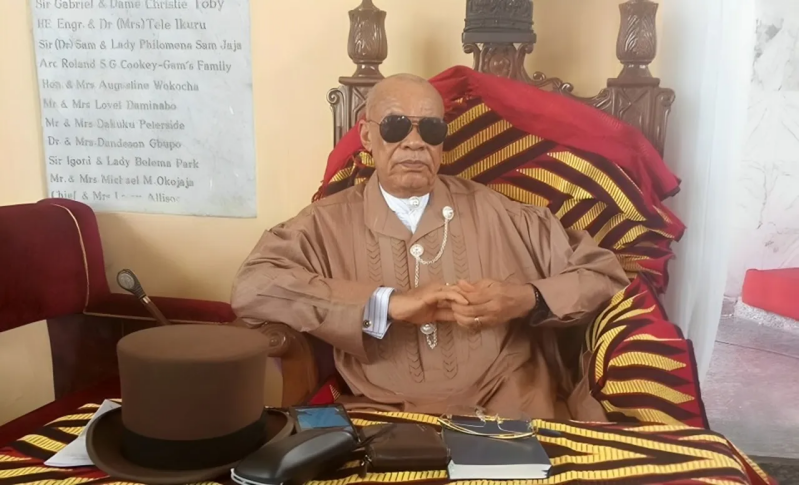
The town of Opobo, in Rivers State, Nigeria, is entering a new chapter of traditional leadership and community ambition following the election of Alabo Charles Douglas MacPepple Jaja as the next Amanyanabo-Elect, or king-elect, of the historic Opobo Kingdom. In a heartfelt address to the Opobo Council of Alapu and members of his royal house, King Jaja pledged to prioritise lasting peace, security, and strategic partnerships aimed at accelerating development within the region.
Opobo, a kingdom with deep cultural roots in the Niger Delta and founded in the 19th century by the legendary Jaja of Opobo—whose own rise from captivity to national prominence is part of Nigerian history—has watched its leadership evolve through centuries of change. The contemporary ascendancy of King Jaja follows the passing of his predecessor, King Dandeson Douglas Jaja, and is seen by many community members as a crucial milestone in reinforcing the social fabric and future trajectory of the kingdom.
In his address, the newly elected monarch underscored that ensuring security and peace across Opobo’s townships would be central to his administration’s ethos. “Our kingdom is blessed with a rich cultural heritage, a vibrant tapestry of traditions and a resilient people,” King Jaja stated. “As we look to the future, we must ensure that our development is guided by a commitment to preserving our unique identity and way of life.”
Security, he said, cannot be disentangled from development. In a region historically impacted by economic marginalisation, oil-related tensions, and the ripple effects of broader Niger Delta challenges, the emphasis on safety and stability resonates both within Opobo itself and in its relations with neighbouring communities and government authorities.
King Jaja reaffirmed his intention to strengthen collaboration with local government structures, state authorities in Rivers State, and the federal government—a relationship he described as vital for aligning development initiatives with wider economic and infrastructural frameworks. He also emphasised the importance of engaging multinational corporations operating in the region, leveraging their expertise and resources to benefit the kingdom’s socioeconomic growth.
Experts note that Opobo’s strategic proximity to the Niger Delta’s commercial arteries presents both opportunities and challenges. The engagement of multinational partners could bring much-needed investment into local business ecosystems, job creation, and infrastructure projects, particularly if rooted in transparent dialogue and community-driven priorities.
Youth development also featured prominently in the king’s vision. King Jaja pledged to invest in education and skills acquisition for young people, equipping them for participation in a rapidly changing economy. “We will prioritise education, skills development and empowerment programmes that equip our young people with the tools they need to succeed,” he said, highlighting the need to nurture homegrown talent and ideas that can chart new paths for the region.
Beyond economic aims, the king vowed to celebrate and preserve Opobo’s cultural heritage. He outlined plans to document and promote traditions, bolster the use of the indigenous Ibani language, and establish cultural centres that would serve both as repositories of heritage and platforms for intercultural exchange. Among these initiatives are proposed programmes to foster deeper connections with the neighbouring ancient kingdom of Bonny—a gesture aimed at strengthening cultural ties and mutual understanding between communities.
The election process that brought King Jaja to his present position was described by community elders as transparent and rooted in longstanding traditions. Leaders within the Jaja Group of Houses, which plays a central role in Opobo’s governance, noted that the peaceful transition reflects a collective desire for unity and progress. “We are happy that we have a king, because if you do not have a king, the entire community will be in disarray,” said Dr Enyinna Seigha Jaja, the immediate past chairman of the King Jaja Royal War Canoe House.
Similarly, Chief Princewill Dappa, Vice Chairman of the Opobo Kingdom Council of Alapu, described the event as “epoch-making,” noting that the harmonious acceptance of the new Amanyanabo-Elect underscores the community’s readiness for a refreshed leadership mandate.
King Jaja’s ascent resonates beyond Opobo’s borders, especially given the presence in government of Amaopusenibo Sir Siminalayi Joseph Fubara, the current governor of Rivers State, who hails from the same region and has been recognised by the kingdom with traditional honours. The synergy between traditional leadership and political authority presents opportunities for concerted efforts on security, development, and cultural renaissance.
Observers say that traditional rulers in the Niger Delta have increasingly played pivotal roles in community stability, dispute resolution, and grassroots development. Given historical tensions in parts of the region, a proactive approach by indigenous leadership in fostering peace, facilitating investment, and championing youth empowerment could significantly impact long-term prospects for prosperity.
For Opobo residents, the king’s pronouncements carry both symbolic and practical weight. Opobo’s economy historically centred around trade and resource extraction, reflecting its origins during the era of the palm oil trade and its strategic role in regional commerce. While the leadership of the kingdom has evolved over generations, the perennial call for security, equitable development, and cultural cohesion remains central to community aspirations.
The broader Nigerian public also watches closely, as stability in traditional states like Opobo often serves as a bellwether for regional cohesion and the health of grassroots governance structures. The kingdom’s capacity to attract investment, build partnerships, and nurture young talent may well shape narratives about the Niger Delta’s future well beyond its borders.
Looking ahead, King Jaja has pledged not only to preserve Opobo’s rich traditions but also to innovate within its institutions. Plans to document cultural narratives, strengthen local governance frameworks, and open dialogue with external partners signal an ambition to blend tradition with contemporary developmental strategies. If realised, these efforts could position Opobo as a model of how historical kingdoms can chart constructive paths in an era marked by rapid socio-economic transformation.
As King Jaja prepares for his impending coronation and the formal commencement of his reign, the emphasis on peace, security, strategic partnerships, and youth empowerment stands as a comprehensive framework aimed at fostering stability and prosperity for his people and the broader region.
📩 Stone Reporters News | 🌍 stonereportersnews.com
✉️ info@stonereportersnews.com | 📘 Facebook: Stone Reporters | 🐦 X (Twitter): @StoneReportNew | 📸 Instagram: @stonereportersnews
Add comment
Comments