

Reported by: Oahimire Omone Precious | Edited by: Gabriel Osa
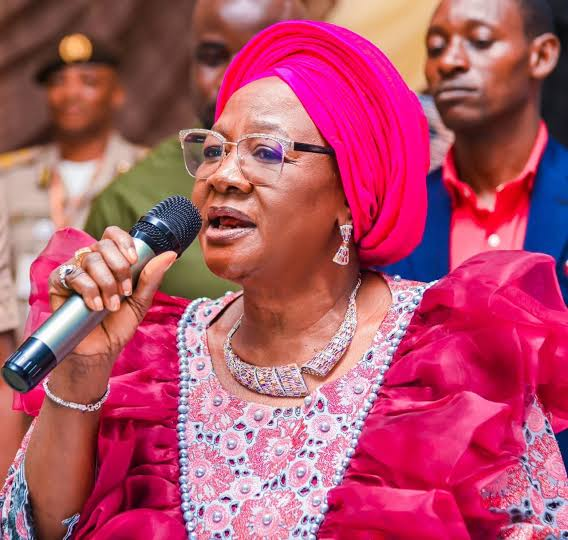
Jos, Nigeria — Hon. Josephine Chundung Piyo, Deputy Governor of Plateau State, has formally resigned her membership of the Peoples Democratic Party (PDP), a development that underscores shifting political allegiances in the state as the 2027 general elections approach. The announcement marks a significant realignment in Plateau’s political landscape and comes amid broader defections by top leaders within the party.
In a statement released by her Chief Press Secretary, Martha Nyam, Piyo confirmed that she submitted her resignation from the PDP in a letter dated December 30, 2025, addressed to the ward chairman in Sharu-Butu Federal Ward of Riyom Local Government Area. In her letter, the deputy governor expressed sincere appreciation for the PDP’s role as a platform that enabled her participation in the political process and contribution to governance at multiple levels. She cited “personal conviction” and prevailing political developments in the state as the basis for her decision, while also conveying well wishes to the party, Plateau State, and the nation at large.
Josephine Piyo, a seasoned politician and advocate for women’s empowerment, has served as deputy governor since May 29, 2023, after being elected alongside Governor Caleb Manasseh Mutfwang on the PDP platform. Prior to her current role, she built a substantial public service resume, including tenures in the Plateau State House of Assembly and as Chairperson of Riyom Local Government Area. Her resignation from the PDP therefore marks a major departure from the party that facilitated her ascent to one of the highest political offices in the state.
The resignation of the deputy governor follows a closely watched political shift at the top of Plateau State’s executive branch. Just days earlier, Governor Caleb Mutfwang also formally resigned from the PDP and took steps toward joining the All Progressives Congress (APC), signalling a potential realignment of political power in the region. Governor Mutfwang conveyed his resignation from the PDP in a letter dated December 29, 2025, stating his intention to seek a platform that would better facilitate “purposeful leadership, clarity of direction, and service delivery” for his constituents. His move has been interpreted as part of a strategic political decision ahead of Nigeria’s 2027 elections.
The twin resignations by the governor and his deputy have elicited a mix of reactions across Plateau’s political spectrum. Within the PDP, party leaders described the governor’s defection as a “betrayal of public mandate”, arguing that he abandoned the very platform that brought him into office without sufficiently consulting the electorate or party structures. This criticism highlights lingering tensions over democratic norms, political loyalty, and the expectations of voters in Plateau State.
Political analysts say Piyo’s resignation from the PDP could reflect a broader effort to reposition her political trajectory in alignment with the governor’s strategic recalibration. With Mutfwang poised to join the APC — a party that has consolidated significant political influence at both national and regional levels — aligning with the governor’s new political direction may offer continuity in governance and policy execution within the state. However, it also raises questions about the future of the PDP’s organisational strength and electoral prospects in Plateau, a key state in Nigeria’s North-Central geopolitical zone. Analysts note that defections by high-ranking officials can weaken party structures and create uncertainty among grassroots supporters ahead of major elections.
Piyo’s decision also resonates at a time when political identity in Plateau is undergoing significant shifts. Recent months have seen movements among other political actors and stakeholders, with calls from local PDP coalitions urging Governor Mutfwang to defect to the APC, arguing that such a move would better serve the interests of the state. This rallying cry from within the PDP underscores internal pressures and differing viewpoints regarding the party’s future in Plateau’s political equation.
For residents and observers in Plateau State, the implications of these resignations extend beyond party labels. The governor and deputy governor form the heart of the state’s executive leadership, playing pivotal roles in steering public policy, security initiatives, economic development efforts, and community cohesion. Their alignment with a new political platform could signal potential changes in governance priorities, administrative appointments, and political alliances as the 2027 electoral cycle unfolds.
At the grassroots level, Piyo’s resignation could trigger realignments among local leaders, traditional institutions, and civil society groups. Political commentators suggest that shifts by prominent officeholders often cascade downwards, influencing party structures at ward and local government levels. The realignment could also affect electoral mobilisation, party funding, and candidate selection processes in future races.
It remains unclear whether Piyo has formally joined the APC alongside Governor Mutfwang or is exploring other political options. Official confirmation of her next political affiliation is expected to follow in the coming weeks as party structures organise and prepare for formal membership protocols. As these developments unfold, supporters and critics alike will be closely watching to gauge the broader implications for party politics in Plateau and Nigeria’s evolving democratic landscape.
The departure of both the governor and deputy governor from the PDP marks a consequential moment in the state’s political history, reflective of dynamic shifts in allegiance, strategic calculus, and the pursuit of influence within Nigeria’s multiparty system. As the 2027 elections draw closer, the political chessboard in Plateau State appears set for intensified negotiations, new alignments, and robust competition among rival parties seeking to consolidate support in one of Nigeria’s most politically significant states.
📩 Stone Reporters News | 🌍 stonereportersnews.com
✉️ info@stonereportersnews.com | 📘 Facebook: Stone Reporters | 🐦 X (Twitter): @StoneReportNew | 📸 Instagram: @stonereportersnews
Add comment
Comments