

Published by: Oravbiere Osayomore Promise.
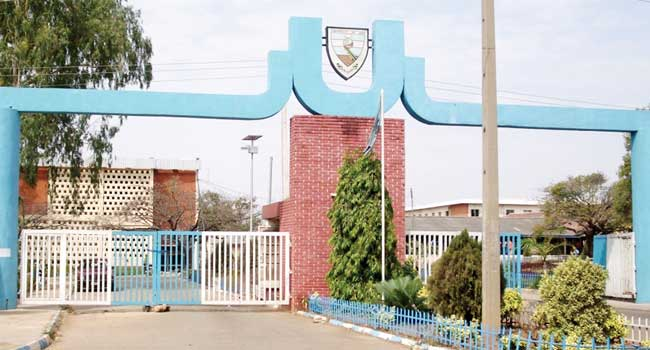
Jos, Plateau State — The University of Jos (UNIJOS) has confirmed the deaths of two of its undergraduates who were injured in a devastating attack on the Angwan Rukuba community on March 29, 2026, an assault that has reignited national outrage over security in central Nigeria. The announcement comes as the institution prepares to restart examinations that were previously postponed due to the violence, and faces additional disruption from an ongoing lecturers’ strike.
The deadly raid occurred on a Sunday evening when suspected gunmen attacked a densely populated area in Jos North Local Government Area, opening fire at a popular local bar and adjacent spaces where residents and visitors were socialising. Eyewitnesses recount that the assailants mingled briefly before suddenly unleashing gunfire, triggering panic and confusion as people fled for safety.
In the immediate aftermath, local authorities confirmed that more than 28 people were killed and many others injured; subsequent on‑going hospital deaths raised the confirmed death toll to at least 33, underscoring the severity of the strike on the community. State officials and security forces vowed to pursue those responsible for the carnage.
Among the victims were students and staff of the University of Jos. The university’s management had initially reported that two students — Abel Joro Gershon and Patrick Ishaya, both third‑year undergraduates — and a university staff member were wounded and receiving treatment after the attack. However, on April 6 and again days later, it was confirmed that Gershon died after battling his injuries in the intensive care unit, with reports indicating that another victim — described as an elderly man — also succumbed to his wounds.
The deaths of these students have deepened the grief within the university community and highlighted the human toll of recurring violence in Plateau, a region long marked by intermittent outbreaks of intercommunal and criminal attacks. University leaders and student representatives have expressed profound sadness, pledging solidarity with the bereaved families and calling for strengthened security measures around the campus and neighboring communities.
In direct response to the attack and the ensuing tension, UNIJOS initially postponed scheduled examinations set for March 30 and March 31, 2026, citing security concerns and the need to ensure the safety of students and staff. The university advised its community to remain vigilant, avoid unnecessary travel and to report any signs of unrest to campus security.
Plans to resume exams — originally slated for April 13 — have faced new challenges as the Academic Staff Union of Universities (ASUU) at UNIJOS declared an indefinite strike on April 8, not directly linked to the security crisis but in protest against the non‑payment of March salaries and the exclusion of the Earned Academic Allowance (EAA) from staff compensation. The union’s announcement mandates that lecturers withdraw from teaching, examinations and official meetings until the salary issues are resolved, threatening to further disrupt academic schedules at a moment when stability is most needed.
The strike adds a layer of complexity to the university’s efforts to return to normalcy. Students and parents have expressed concern that unresolved salary disputes and ongoing industrial action could delay exams and extend the academic year, compounding the effects of violence and insecurity in the region.
In the broader Plateau community, tensions remain high. A funeral service in Angwan Rukuba was recently disrupted when hundreds of residents protested, demanding the release of local vigilantes detained by security operatives investigating the attack. After government intervention, detained youths were released and the service resumed, but calls for accountability and community protection were prominent throughout the gathering.
Civil society figures and national commentators have urged authorities to take decisive action to restore safety and trust. Former political leaders and activists have framed the attack as symptomatic of deeper security flaws in Nigeria’s conflict‑prone regions, urging comprehensive reforms in how such threats are prevented and addressed.
Plateau State Governor Caleb Mutfwang and his administration have publicly condemned the attack, characterising it as a targeted effort to destabilise peace in the state and pledging that those responsible will be brought to justice. The federal government has also engaged with state officials on security measures, with meetings held at the presidential level to coordinate enhanced protection and investigative responses following the violence.
Security forces have responded with intensified patrols and operational activity around key flashpoints in Jos and its environs. The Nigerian military reportedly arrested individuals and recovered weapons as part of efforts to quell further unrest, reflecting a heightened enforcement posture amidst persistent insecurity in the region.
Despite these measures, residents of Jos North and surrounding communities have voiced ongoing fear and frustration. Many families have conducted private burials for victims not included in mass services, highlighting the fragmented and deeply personal nature of grief in the wake of deadly violence. Community leaders have reiterated demands for swifter justice and more robust protective presence to prevent recurrence.
UNIJOS’s announcement confirming the deaths of its students adds a personal dimension to a broader crisis that continues to challenge Plateau’s stability. As examinations are rescheduled and administrative disruptions loom, the university and its wider community face a period of mourning, reflection and concerted pressure on authorities to safeguard lives and uphold the promise of education and security even amid adversity.
📩 Stone Reporters News | 🌍 stonereportersnews.com
✉️ info@stonereportersnews.com | 📘 Facebook: Stone Reporters News | 🐦 X (Twitter): @StoneReportNew | 📸 Instagram: @stonereportersnews
Add comment
Comments