

Reported by: Ijeoma G | Edited by: Oravbiere Osayomore Promise.
Nigeria’s federal government has intensified its efforts to curb terrorism financing with the publication of a sweeping sanctions list naming Tukur Mamu, Simon Ekpa and 46 other individuals and entities accused of supporting violent networks across the country, marking one of the most far-reaching financial crackdowns in recent years.
The list, released on April 11, 2026, by the Nigeria Sanctions Committee, identifies 48 individuals alongside several organisations alleged to be connected to funding streams that sustain insurgency, banditry and separatist violence. Authorities say the action is based on intelligence assessments and inter-agency collaboration, and forms part of Nigeria’s obligations under international counter-terrorism financing frameworks.
According to officials, those listed are suspected of providing financial, logistical or material support to extremist groups, including factions linked to separatist agitation in the southeast, as well as insurgent and bandit groups operating in other parts of the country. The sanctions are intended to dismantle the financial structures that enable such groups to recruit members, acquire weapons and maintain operations.
Among the most prominent names on the list is Simon Ekpa, a Finland-based separatist figure associated with a faction of the Biafra agitation. Nigerian authorities have repeatedly accused him of inciting violence in the southeast through broadcasts and directives, including controversial sit-at-home orders that have disrupted economic and social activities across several states. His inclusion in the sanctions list follows earlier international legal developments, including his conviction by a Finnish court in 2025 on terrorism-related charges.
Authorities allege that Ekpa was involved in coordinating fundraising efforts outside Nigeria, raising funds that were subsequently linked to violent activities. The sanctions designation reinforces earlier monitoring of financial flows associated with his networks and is expected to trigger further restrictions across jurisdictions where cooperation agreements exist.
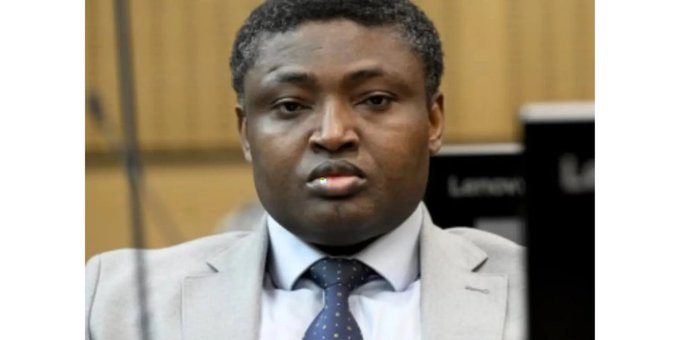
Also listed is Tukur Mamu, a Kaduna-based publisher and former negotiator in high-profile kidnapping cases, particularly those involving attacks on transportation infrastructure. Mamu was arrested in 2022 and remains in custody while facing multiple charges related to terrorism financing. Prosecutors allege that he facilitated ransom payments and maintained links with armed groups, although he has denied the allegations against him.
Beyond these high-profile individuals, the sanctions list includes dozens of others whose alleged roles range from direct funding to logistical and operational support. While detailed breakdowns of each individual’s involvement have not been made public, officials maintain that the designations are backed by credible intelligence and ongoing investigations.
The sanctions impose immediate and far-reaching restrictions. Financial institutions have been directed to identify and freeze all funds, assets and economic resources linked to the listed individuals and entities. This includes bank accounts, investments and any form of financial holdings under their control. Institutions are also required to report compliance actions and flag any attempted transactions involving sanctioned persons.
In addition to asset freezes, the measures may result in travel limitations, increased surveillance and further legal scrutiny. The sanctions operate under Nigeria’s Terrorism (Prevention and Prohibition) Act, which allows authorities to take preemptive measures against individuals suspected of supporting terrorism, even in the absence of a completed criminal trial.
Officials describe the move as preventive rather than punitive, emphasizing that the objective is to disrupt financial flows that sustain violent activities. By targeting the economic backbone of such operations, authorities aim to reduce the operational capacity of armed groups and limit their reach across affected regions.
The announcement comes at a time when Nigeria continues to grapple with multiple security challenges. Insurgency persists in the northeast, banditry and kidnappings remain widespread in the northwest, and separatist-related violence continues to affect parts of the southeast. Analysts say the financial networks supporting these activities often intersect, making them a critical target in broader security strategies.
Recent developments suggest a growing emphasis on prosecuting individuals involved in these financial networks. In Abuja, authorities have initiated large-scale trials involving suspects accused of terrorism-related offences. In one case, a fuel supplier was convicted for providing materials to insurgents, highlighting the government’s focus on the supply chains that sustain violent groups.
Security experts view the sanctions list as a significant step toward addressing the root causes of insecurity, arguing that cutting off funding sources can have long-term effects. However, some have raised concerns about transparency, noting that limited information has been provided regarding the specific allegations against each individual. Calls have been made for clear mechanisms that allow those listed to challenge their designation and ensure due process.
The inclusion of individuals based outside Nigeria underscores the need for international cooperation in enforcing the sanctions. Authorities are expected to work with foreign governments and global financial institutions to track assets and prevent cross-border financial activities that could undermine the effectiveness of the measures.
For the federal government, the publication of the sanctions list signals a shift toward a more comprehensive approach to tackling insecurity, one that goes beyond military operations to address the financial systems that sustain violence. While the immediate impact of the sanctions remains to be seen, the move reflects a growing recognition that disrupting funding networks is essential to weakening armed groups.
As implementation begins, attention will focus on compliance by financial institutions and the extent to which the measures translate into a reduction in violent incidents. For now, the action stands as a clear indication of the government’s intent to intensify pressure on individuals and networks accused of enabling terrorism through financial means.
📩 Stone Reporters News | 🌍 stonereportersnews.com
✉️ info@stonereportersnews.com | 📘 Facebook: Stone Reporters News | 🐦 X (Twitter): @StoneReportNew | 📸 Instagram: @stonereportersnews
Add comment
Comments