

Published by Osasere Edomwonyi Ikpoba
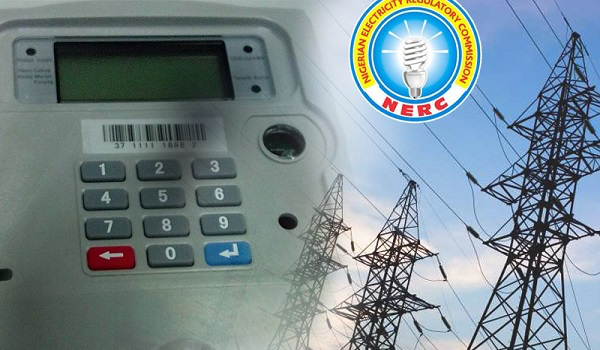
The Nigerian Electricity Regulatory Commission (NERC) has reported a significant uptick in the national electricity metering rate, which rose to 61.51 per cent by the end of June 2026, up from 60.22 per cent recorded in May. According to the Commission's latest Metering Status of Distribution Companies Factsheet for May and June 2026, distribution companies (DisCos) accelerated meter deployment across the country, installing 203,521 new meters in June alone—nearly double the 104,585 units installed in the preceding month. The data reflects what the regulator described as "continued progress in customer metering across the country" as DisCos work to close the metering gap and reduce reliance on estimated billing.
As of June 2026, Nigeria had 12,589,486 active electricity customers, of which 7,743,839 are now metered. This leaves approximately 4.85 million customers still unmetered, underscoring the scale of the challenge that remains despite the steady progress recorded in the first half of the year. The June figures represent the steepest single-month increase in new meter installations so far this year, maintaining momentum that began in the first quarter, when the national metering rate climbed from 57.93 per cent in January to 59.69 per cent by April.
The Factsheet revealed a wide disparity in metering coverage among the 11 distribution companies. Three DisCos continued to lead the sector, with Eko Electricity Distribution Company recording the highest metering rate at 88.70 per cent, followed closely by Ikeja Electric at 87.91 per cent and Abuja Electricity Distribution Company at 81.38 per cent. These figures are broadly consistent with earlier 2026 data, which showed Eko and Ikeja consistently above 87 to 88 per cent and Abuja above 80 per cent. In stark contrast, several northern DisCos continued to lag significantly, with metering rates below 40 per cent, highlighting the persistent regional imbalance in electricity infrastructure investment.
Metering has been a central focus of NERC's regulatory agenda under the Electricity Act 2023, with the commission linking improved metering to reduced technical and commercial losses, better revenue collection for DisCos, and fairer billing for consumers. The acceleration in meter deployment in June follows a series of regulatory interventions, including the release of N21 billion to DisCos under the Meter Acquisition Fund (MAF) scheme in June 2026 to provide free meters to customers within 60 days. The Federal Government has also been driving the $500 million World Bank-backed Distribution Sector Recovery Program (DISREP), under which approximately 200,000 smart meters have been installed. As of late August 2026, the government disclosed that roughly 60 per cent of active electricity customers had been metered under Phase 1 of the DISREP programme.
Despite the progress, the fact that nearly five million customers remain unmetered means that a significant portion of Nigerian electricity consumers are still subjected to estimated billing—a practice that has long been a source of consumer frustration and disputes with DisCos. The gap also represents lost revenue for distribution companies, as unmetered customers are difficult to bill accurately, contributing to the sector's persistent liquidity challenges. NERC has consistently emphasised that closing the metering gap is essential to achieving financial viability in the power sector and restoring consumer confidence. The June 2026 data offers a glimmer of hope that the pace of metering is finally accelerating, but with 4.85 million customers still waiting, the journey toward universal metering remains long.
📩 Stone Reporters News | 🌍 stonereportersnews.com
✉️ info@stonereportersnews.com | 📘 Facebook: Stone Reporters News | 🐦 X (Twitter): @StoneReportNew | 📸 Instagram: @stonereportersnews
Add comment
Comments