

Published by Osasere Edomwonyi Ikpoba
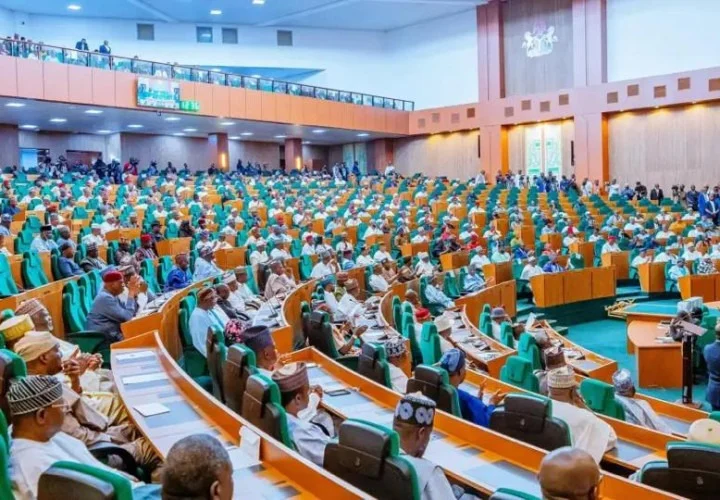
use of Representatives Committee on Power has issued a firm directive to seven electricity distribution companies (DisCos) with outstanding market obligations, ordering them to take urgent steps to clear their debts. The committee warned that persistent defaults threaten the liquidity and long-term sustainability of Nigeria’s power sector. The directive was issued on Wednesday, September 3, during an oversight visit by the committee to the headquarters of the Nigerian Independent System Operator (NISO) in Abuja. During the visit, lawmakers also witnessed an ongoing public hearing on the outstanding market obligations of the Ibadan Electricity Distribution Company (IBEDC).
The committee chairman, Honourable Victor Nwokolo Onyemaechi, expressed deep concern over the accumulation of market debts by some DisCos. He noted that prolonged failure to meet financial obligations could adversely affect the liquidity and sustainability of the electricity market. “Improved liquidity is critical to strengthening the electricity market and ensuring the sustainability of the power sector,” Onyemaechi said. “The affected DisCos are Benin Electricity Distribution Company (BEDC), Enugu Electricity Distribution Company (EEDC), Ibadan Electricity Distribution Company (IBEDC), Jos Electricity Distribution Company (JEDC), Kaduna Electricity Distribution Company (KAEDCO), Port Harcourt Electricity Distribution Company (PHEDC), and Kano Electricity Distribution Company (KEDCO)”.
The hearing, which the lawmakers joined, was chaired by NISO’s Executive Director of Market Operations, Dr Edmond Eje. It formed part of the system operator’s ongoing engagements with selected DisCos over outstanding market obligations, Events of Default, and other compliance matters under the Nigerian Electricity Market. Onyemaechi called on IBEDC and other indebted DisCos to make every effort within their capacity to settle their outstanding obligations and strengthen compliance with the rules governing the electricity market. He warned that prolonged failure by the affected companies to meet their financial obligations could have serious repercussions for the entire power sector value chain.
The committee’s action comes against the backdrop of a staggering N1.3 trillion debt profile that has been identified across the electricity market. Various DisCos have accumulated significant liabilities, with Kaduna DisCo reportedly owing N303.81 billion, Abuja DisCo owing N275.17 billion, Jos DisCo owing N104.38 billion, Kano DisCo owing N96.62 billion, and Ikeja DisCo owing N47.64 billion. These debts have created a liquidity trap that threatens to undermine the financial stability of the entire Nigerian Electricity Supply Industry (NESI).
Welcoming the lawmakers to the NISO office, the Managing Director/Chief Executive Officer, Engineer Abdu Bello Mohammed, commended the committee for its oversight role and continued support for reforms in Nigeria’s electricity sector. He noted that the establishment of NISO was a significant outcome of the reforms introduced under the Electricity Act, 2023, which provided the framework for the unbundling of the Transmission Company of Nigeria (TCN) and the establishment of an independent System Operator. Mohammed briefed the committee on NISO’s journey since its establishment, its mandate, and its comprehensive five-year development plan, designed to strengthen system operations, improve electricity market operations, enhance system planning, and support the effective coordination of Nigeria’s power system.
Mohammed stressed the importance of collaboration between the National Assembly, NISO, and other institutions within the Nigerian Electricity Supply Industry in addressing the structural and financial challenges confronting the sector. While commending the committee for lending its voice to the issue of market defaults by DisCos, he said improved liquidity across the electricity market would strengthen the capacity of market participants to meet their obligations, sustain operations, and ultimately contribute to improved service delivery to electricity consumers. The NISO boss appealed for continued support and constructive oversight from the National Assembly, saying sustained collaboration among the various institutions in the sector remained critical to strengthening the electricity market, stabilising the national grid, and advancing efforts towards a more reliable and sustainable electricity supply in Nigeria.
The oversight visit gave lawmakers an opportunity to examine NISO’s role in the Nigerian Electricity Supply Industry and the challenges affecting the electricity market. The public hearing on IBEDC’s obligations was part of NISO’s engagements with selected DisCos over outstanding market obligations, events of default, and other compliance issues. NISO said it would continue these engagements and also called for continued support and constructive oversight from the National Assembly.
The House Committee on Power’s directive to the seven DisCos is the latest in a series of interventions by the National Assembly aimed at resolving the crisis of indebtedness in the power sector. In April 2026, the House Public Accounts Committee approved a comprehensive financial relief package of N248.6 billion and a 10-year debt restructuring plan for the Kano, Jos, and Ikeja DisCos. The committee approved a restructuring of N120.06 billion in legacy debts owed by the three DisCos, to be repaid over a period not exceeding 10 years. The relief measures also included the waiver of accrued interest on debts from 2015 to September 2025. In May 2026, the House directed 11 electricity distribution companies to refund N55.42 billion obtained under the National Mass Metering Programme, giving them a seven-month deadline to repay the loan to the Central Bank of Nigeria.
The cumulative effect of these interventions has been to highlight the deep-seated structural and financial challenges confronting the power sector. The liquidity crisis, driven largely by the failure of DisCos to meet their market obligations, has created a vicious cycle of underperformance and underinvestment. The Generation Companies (GenCos) and the Transmission Company of Nigeria (TCN) rely on revenue from the electricity market to fund their operations and invest in infrastructure. When DisCos fail to pay their market obligations, the entire value chain suffers, leading to grid instability, load shedding, and poor service delivery to consumers.
The committee’s directive to the seven DisCos to clear their outstanding debts is a recognition that the sector’s sustainability depends on improved liquidity. It is also a signal to the DisCos that the era of impunity regarding market obligations may be coming to an end. The House Committee on Power has made it clear that it will continue to monitor the situation and take further action if the DisCos fail to comply. As Onyemaechi warned, prolonged failure to meet financial obligations could adversely affect the liquidity and sustainability of the electricity market. For the millions of Nigerian households and businesses that depend on a reliable electricity supply, the committee’s intervention offers a glimmer of hope that the sector’s financial crisis may finally be addressed.
The DisCos have a responsibility to ensure that their operations are financially sustainable and that they meet their obligations to the electricity market. The House Committee on Power has given them a clear directive: settle your outstanding debts or face the consequences. The ball is now in the court of the DisCos.
📩 Stone Reporters News | 🌍 stonereportersnews.com
✉️ info@stonereportersnews.com | 📘 Facebook: Stone Reporters News | 🐦 X (Twitter): @StoneReportNew | 📸 Instagram: @stonereportersnews
Add comment
Comments