

Published by Osasere Edomwonyi Ikpoba
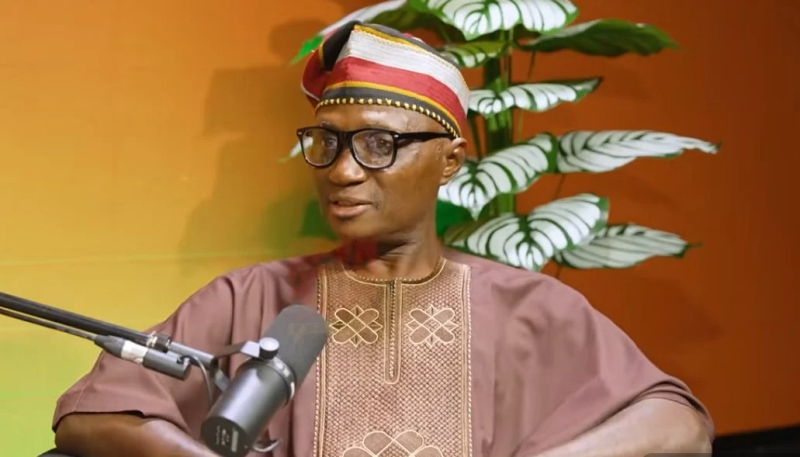
A professor at Obafemi Awolowo University, Tunji Ogunyemi, has issued a stark warning that restoring petrol subsidy could trigger the collapse of at least 15 states in northern Nigeria within just three months. The professor's caution comes as a direct response to the proposal by former Vice President Atiku Abubakar, the presidential candidate of the African Democratic Congress, to reinstate the subsidy regime if elected in 2027.
Ogunyemi, speaking during an interview on the Open Forum 360 podcast, described the potential reversal of the subsidy removal policy as "calamitous, to say the least." He argued that bringing back the subsidy would severely reduce the funds available for distribution through the Federation Account, the financial lifeline upon which most states depend to finance government operations.
"The Federation Account is the jugular of more than 30 states in the federation. Only about four states in Nigeria can survive without the Federation Account," Ogunyemi stated. He identified Lagos, Delta, and Rivers as the only states that could cope without relying heavily on federal allocations. In contrast, he cited Taraba as a prime example of a state whose finances are critically dependent on the monthly handouts from Abuja.
The professor's warning was unequivocal. "So if you now say reduce the accrual from the account, I tell you more than about 15 states in the north will collapse. They will collapse within three months," he declared. This impending fiscal disaster, he warned, would have immediate and devastating consequences, chief among them the return of a "regime of incapacity to pay salaries, let alone pensions."
The ripple effects, according to Ogunyemi, would not be confined to state governments. The Federal Government itself would face immense difficulty funding its recurrent and capital expenditures if its revenue share declined. Given that between 60 and 70 per cent of federal spending goes to recurrent costs, a reduction in revenue would cripple the government's ability to meet even its minimum obligations, let alone invest in capital projects. Furthermore, he warned that the revenue shortfall could compromise Nigeria's ability to service its debts, potentially damaging the country's financial standing and creditworthiness.
Ogunyemi did not mince words regarding Atiku's proposal, suggesting that the former vice-president might be using the subsidy promise to garner political support rather than offering a sound economic policy. "You don't want to get political support through votes or more votes by wanting to cut the jugular of your country," he said. He urged Atiku to be more transparent about the catastrophic implications of his policy, criticizing the proposal as "playing to the gallery."
This warning adds to the intense debate surrounding the fuel subsidy, which was removed by President Bola Tinubu on May 29, 2023. While the government has defended the removal as a necessary measure to reduce fiscal pressure and free up resources, generating an estimated N15.8 trillion for the Federation between June 2023 and December 2025, the policy has also triggered a sharp increase in petrol prices and contributed to higher transportation and living costs. Atiku has since clarified that his proposal is not a return to the old import-subsidy arrangement but a targeted and capped intervention to support domestic refining, with transparency and auditing built into the scheme. However, Ogunyemi's stark warning suggests that even a modified version of the subsidy could spell disaster for the fragile economies of northern Nigeria.
📩 Stone Reporters News | 🌍 stonereportersnews.com
✉️ info@stonereportersnews.com | 📘 Facebook: Stone Reporters News | 🐦 X (Twitter): @StoneReportNew | 📸 Instagram: @stonereportersnews
Add comment
Comments