

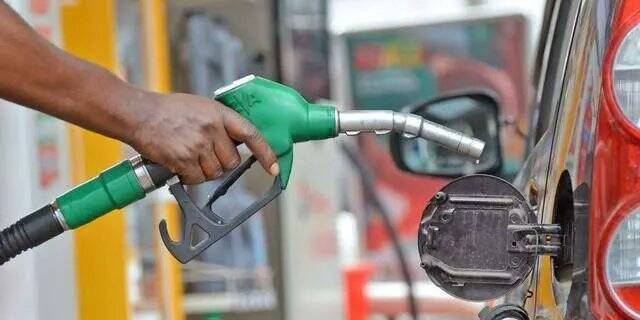
The Nigerian National Petroleum Company Limited (NNPCL) has again reduced the pump price of Premium Motor Spirit (PMS), popularly known as petrol, to about ₦835 per litre in major cities across the country, marking the third price cut within the month and underscoring the intensifying competition in Nigeria’s downstream petroleum sector.
Checks across NNPCL retail outlets on Friday showed that petrol, which previously sold for about ₦915 per litre, is now being dispensed at lower rates, particularly in Lagos and Abuja. In Lagos, NNPCL stations in areas such as Igando, Lekki, and Iwaya were selling petrol between ₦838 and ₦840 per litre, while outlets in the Federal Capital Territory, Abuja, adjusted prices to about ₦835 per litre. The latest reduction reflects a notable shift in pricing dynamics as the company responds to market forces and growing domestic supply.
Industry sources attribute the latest price cut to a combination of factors, including reduced ex-depot prices, lower freight and insurance costs, and increased availability of locally refined petroleum products. A major driver of the current trend is the expanding output and aggressive pricing strategy of the Dangote Refinery, which has significantly altered supply conditions in the market and reduced dependence on imported fuel.
Independent marketers have also followed suit, further intensifying competition. Retailers such as MRS, BOVAS, and AA Rano have adjusted their pump prices in Abuja, with petrol now selling within the range of ₦739 to ₦865 per litre, depending on location and logistics costs. Similarly, private depots, including those linked to the Dangote Refinery, have lowered their ex-depot prices to between ₦699 and ₦800 per litre, creating room for marketers to reduce pump prices nationwide.
Analysts say the current developments signal a gradual transition toward a more competitive and market-responsive pricing regime in Nigeria’s petroleum sector. With increased domestic refining capacity coming on stream, the long-standing reliance on imported fuel is steadily declining, offering prospects for improved supply stability and price moderation.
Consumers are already feeling some relief from the price cuts, particularly as the festive season approaches and travel demand rises across the country. However, energy experts caution that petrol prices remain vulnerable to fluctuations in global crude oil prices, foreign exchange movements, and the consistency of refinery output. They note that sustained price stability will depend largely on uninterrupted domestic refining, efficient distribution, and continued open access to supply infrastructure.
As competition deepens between NNPCL and private refiners, stakeholders are calling for policies that promote transparency and fair competition, arguing that a fully liberalised and well-regulated market will be key to maintaining downward pressure on fuel prices and delivering long-term benefits to Nigerian consumers.
📩 Stone Reporters News | 🌍 stonereportersnews.com
✉️ info@stonereportersnews.com | 📘 Facebook: Stone Reporters | 🐦 X (Twitter): @StoneReportNew | 📸 Instagram: @stonereportersnews
Add comment
Comments