

Reported by: Ijeoma G | Edited by: Gabriel Osa
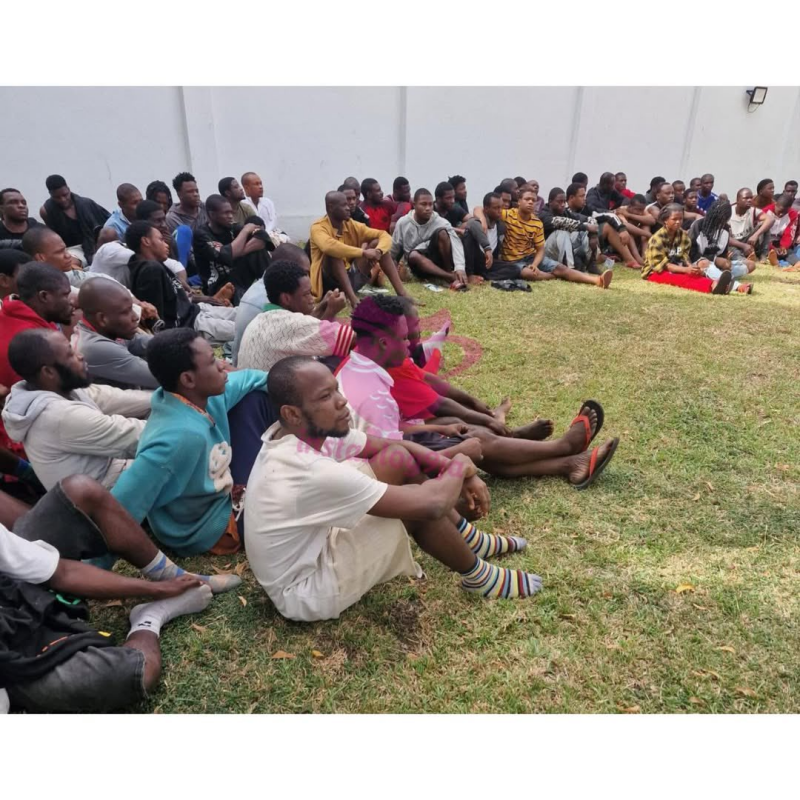
ACCRA — Ghanaian authorities have stepped up efforts to dismantle organised cybercrime networks operating within the country, leading to the arrest of 141 suspects in a coordinated early‑morning operation focused on combating online fraud and other digital‑enabled offences. The widespread raids, conducted on December 27 in key suburbs of the capital, highlight Accra’s growing prioritisation of cybersecurity and the protection of its digital financial ecosystem amid rising concerns over transnational criminal activity.
Security forces, working under intelligence‑led directives, executed simultaneous operations in the Tabora and Lashibi areas of Greater Accra. The exercise involved multiple state agencies, including the Cyber Security Authority of Ghana (CSA), the Ghana Police Service, the National Security apparatus and the Ghana Immigration Service. According to the Minister for Communication, Digital Technology and Innovation, Samuel Nartey George, the arrests were made in the early hours as part of a sustained crackdown on individuals suspected of involvement in various forms of cyber‑enabled crime.
Preliminary investigations suggest that a significant number of those detained are Nigerian nationals who allegedly played active roles in orchestrating large‑scale fraud schemes. Law enforcement officials have seized dozens of electronic devices thought to have been used in the commission of the alleged offences, including 38 laptops and approximately 150 mobile phones. These seized items are now undergoing forensic analysis to establish the extent and nature of the suspects’ involvement in cybercrime.
In announcing the results of the operation, Minister George characterised Ghana as welcoming to individuals and businesses engaged in legitimate enterprises but firm against those who exploit the nation’s digital infrastructure for criminal purposes. “Ghana remains open for business, not cybercrime,” he declared, underscoring the government’s commitment to safeguarding both domestic and foreign investment in the country’s technology sectors.
The breadth of alleged criminality linked to the arrests spans a range of cyber‑enabled financial crimes. These include mobile money fraud — often described locally as MoMo fraud — sextortion, business email compromise, wire fraud and romance scams. Authorities describe these offences as not only corrosive to trust in digital platforms but also as posing tangible threats to the economic wellbeing of ordinary citizens and businesses alike.
The operation also saw the arrest of a Ghanaian landlord who is accused of providing accommodation to about 100 of the suspected individuals. Officials emphasised that property owners bear responsibility for ensuring their premises are not used as bases from which criminal activities are conducted, and the landlord’s detention signals authorities’ intent to pursue accountability beyond the suspects directly alleged to have engaged in fraud.
Ghana’s intensified actions against cybercrime occur in the context of broader regional and international efforts to curb digital fraud and financial scams. Across Africa, law enforcement agencies have increasingly coordinated to disrupt sophisticated online criminal networks that exploit technological vulnerabilities and deceive victims through social engineering, fake business propositions, and impersonation. These collaborative efforts have resulted in hundreds of arrests and significant seizures of digital devices, reflecting the scale and complexity of the challenge.
Domestically, Ghanaian authorities have expressed determination to ensure that those apprehended will face prosecution if found culpable under the nation’s legal framework. Officials have appealed to the public to remain vigilant, report suspicious digital activity, and support national efforts to protect citizens and the economy from cybercrime. The forensic examinations currently underway are expected to form the basis of formal charges against individuals whose digital footprints indicate direct involvement in fraudulent schemes.
The arrest of such a large number of suspects has reignited debate about cybercrime’s social and economic roots, particularly in relation to youth unemployment, limited economic opportunities, and the transnational nature of digital fraud networks. Ghana has in recent years seen a surge in cyber‑enabled offences, prompting strategic responses that combine law enforcement with public education on cybersecurity best practices.
Critics of the recent operation, while supportive of efforts to tackle crime, caution that law enforcement must balance punitive measures with respect for due process and human rights. Concerns have also been voiced about stereotyping particular nationalities in the discourse on cybercrime, given the multinational character of many digital fraud operations. Nevertheless, officials have reiterated that nationality is neither a factor in cooperation with lawful enterprise nor a shield for alleged criminal conduct.
The crackdown comes as part of a broader strategic push to enhance Ghana’s cybersecurity architecture, involving upgrades to national digital infrastructure, closer collaboration with international partners, and expanded capabilities for forensic investigation and prosecution. Stakeholders in the technology sector have welcomed these initiatives but stress the need for sustained investment in preventive tools, public awareness campaigns and cross‑border cooperation to more effectively dismantle the financial incentives that drive cybercrime.
In the immediate term, authorities have invited the public to remain patient as further details emerge from ongoing investigations. The Ministry of Communication has pledged transparency in the prosecution process and reaffirmed the government’s commitment to building a secure, resilient digital environment that supports innovation without compromising safety.
📩 Stone Reporters News | 🌍 stonereportersnews.com
✉️ info@stonereportersnews.com | 📘 Facebook: Stone Reporters | 🐦 X (Twitter): @StoneReportNew | 📸 Instagram: @stonereportersnews
Add comment
Comments