

Oahimire Omone Precious | Edited by: Gabriel Osa
ABUJA — Nigeria’s domestic intelligence agency has confirmed the arrest of a retired Nigerian Army corporal, identified as Abubakar, over alleged inciting posts on the social media platform X and suspected attempts to recruit young men into what authorities described as a potentially disruptive ideological network.
Security sources familiar with the matter said the arrest was carried out by operatives of the Department of State Services following digital monitoring that flagged a series of online publications considered inflammatory. The suspect, who previously served in the Nigerian Army and retired at the rank of corporal, was reportedly taken into custody in a coordinated operation aimed at preventing what officials termed “further escalation.”
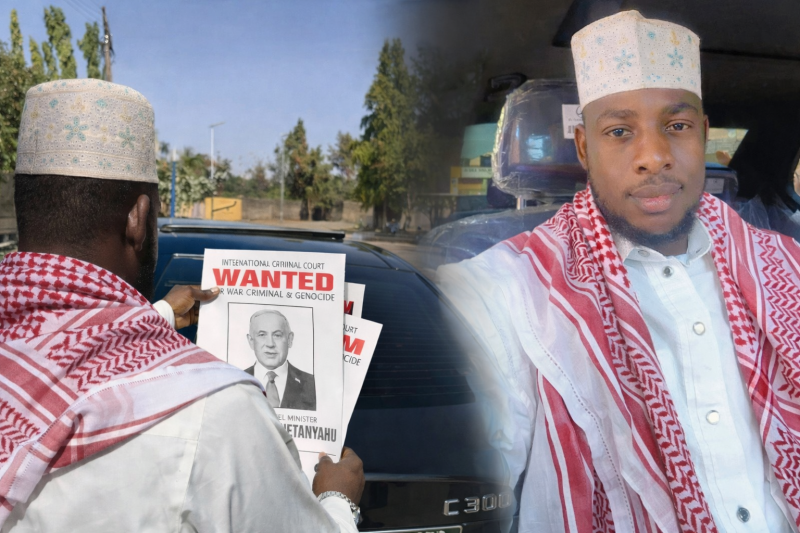
According to preliminary information obtained from security officials, Abubakar had shared posts containing posters of Israeli Prime Minister Benjamin Netanyahu, labeling him a criminal in strongly worded commentary. While criticism of foreign leaders is not unlawful in itself, authorities stated that the context and accompanying messages raised concerns about potential incitement and radical messaging.
Officials alleged that beyond the public posts, the suspect engaged in private communications encouraging certain individuals to adopt his ideological position. Investigators are said to be examining digital devices recovered during the arrest to determine the scope and intent of these communications. As of the time of filing this report, no formal charges had been publicly announced, and the DSS has not released a detailed statement outlining specific offenses.
Under Nigerian law, the DSS is mandated to detect and prevent threats to internal security, including terrorism, espionage, subversion, and actions capable of undermining public order. The agency routinely monitors digital spaces as part of its intelligence-gathering responsibilities, particularly where online narratives are assessed as potentially mobilizing real-world action.
A senior security official, speaking on condition of anonymity because he was not authorized to brief the press, stated that the arrest was preventive rather than reactive. “The intervention was to forestall any possible public disorder. When digital activity shows signs of coordinated messaging that may incite others, we are obligated to investigate,” the official said.
Legal analysts note that Nigerian statutes, including provisions within the Criminal Code and cybercrime legislation, criminalize incitement to violence and participation in unlawful associations. However, they also emphasize that constitutional safeguards protect freedom of expression, meaning authorities must demonstrate clear evidence that speech crosses into criminal conduct.
Abubakar’s status as a retired non-commissioned officer has drawn attention, though there is no indication that the Nigerian Army as an institution was involved in or aware of his alleged activities. Military retirement severs official operational ties, and retired personnel do not retain command authority or institutional representation. Defense officials contacted for comment declined to provide details, citing the civilian nature of the investigation.
The arrest occurs amid heightened global sensitivity surrounding geopolitical tensions and the amplification of foreign conflicts in domestic discourse. Nigeria, Africa’s most populous country, maintains diplomatic relations with multiple international partners, and authorities are generally cautious about rhetoric that could inflame communal or religious tensions within its diverse population.
Civil liberties advocates have urged transparency in the handling of the case. Several rights groups have called on security agencies to disclose the specific legal basis for the detention and ensure that due process is observed. They stress that while national security is a legitimate concern, enforcement actions must be proportional and evidence-based.
Digital security experts say the case reflects broader global trends in which online platforms are used both for political commentary and for recruitment into ideological movements. The challenge for authorities lies in distinguishing between protected speech and organized efforts that may incite unlawful acts. In recent years, Nigeria has increased investment in cyber surveillance and digital forensics to address emerging security threats.
According to sources within the security establishment, the suspect is being interrogated and investigators are analyzing communication records, social media interactions, and metadata to determine whether there was coordination with any group or network. Officials have not indicated that the case is linked to any recognized extremist organization.
If sufficient evidence is established, the matter could proceed to arraignment before a Federal High Court, which has jurisdiction over terrorism-related and cybercrime offenses. Convictions under relevant statutes can carry significant penalties, including imprisonment, depending on the severity and proven impact of the actions.
The case has also sparked discussion about the role of former security personnel in public discourse. Experts say that while retired officers retain the right to free expression as private citizens, their prior service can sometimes lend perceived credibility to their statements, potentially influencing audiences more strongly than those without such backgrounds.
Public reaction has been mixed. Some commentators argue that robust debate on international affairs should not be conflated with extremism, while others maintain that any attempt to mobilize or recruit individuals under inflammatory narratives warrants scrutiny. The absence of detailed official charges has fueled speculation, underscoring the need for clarity from authorities.
The DSS has historically conducted arrests in cases involving suspected incitement, secessionist agitation, and alleged terror financing, often citing intelligence assessments that are not fully disclosed to the public. Critics frequently call for greater judicial oversight and timely arraignment to reinforce confidence in the rule of law.
As investigations continue, legal observers expect the agency either to file formal charges or release the suspect if evidence does not meet prosecutorial thresholds. In Nigeria’s justice system, prolonged detention without charge can attract judicial intervention.
For now, security officials insist that the operation was undertaken strictly to prevent potential unrest. The outcome of the investigation will determine whether the allegations translate into a court case or conclude at the preliminary stage.
📩 Stone Reporters News | 🌍 stonereportersnews.com
✉️ info@stonereportersnews.com | 📘 Facebook: Stone Reporters | 🐦 X (Twitter): @StoneReportNew | 📸 Instagram: @stonereportersnews
Add comment
Comments