

Reported by: Oahimire Omone Precious | Edited by: Pierre Antoine
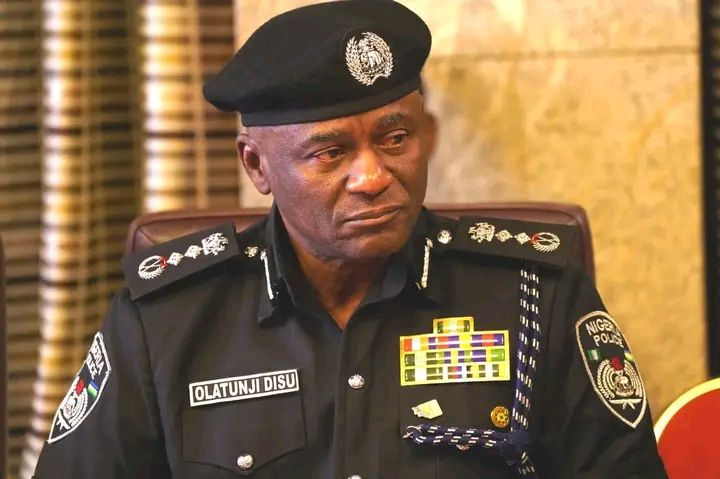
Olatunji Rilwan Disu, widely known as Tunji Disu, has urged Nigerians and well-wishers to reserve their congratulations after his appointment as Acting Inspector-General of Police, emphasizing that the focus now must be on tackling Nigeria’s deep-rooted security challenges rather than celebrating his elevation. His remarks came against the backdrop of a formal transition of leadership in the Nigeria Police Force following the resignation of his predecessor and a high-profile decoration ceremony officiated by Bola Ahmed Tinubu.
Disu’s appointment as Acting IGP was formally announced by the Presidency and confirmed during a State House ceremony in Abuja. At the event, President Tinubu personally pinned the senior police officer’s new rank, with key government figures in attendance including the National Security Adviser and the Secretary to the Government of the Federation. The handover followed the voluntary resignation of the immediate past Inspector-General of Police, Kayode Egbetokun, who cited pressing family reasons for stepping down. Under Nigeria’s Police Act, Disu could serve a tenure of up to four years, even though his appointment comes shortly before his mandatory retirement age, reflecting the statutory changes that now govern leadership continuity within the police.
In public remarks delivered shortly after assuming office, Disu acknowledged the wave of congratulatory messages he had received from across the country and from within the police ranks. However, he made it clear that it was “not yet time” for celebration. He argued that the enormity of the security burden placed on the Nigeria Police Force demanded sober commitment rather than festivity. He said expectations were high and that his leadership would be judged by performance and tangible security outcomes.
Disu outlined three core pillars that he says will define his tenure: professionalism and modernization, accountability and integrity, and community partnership aimed at rebuilding public trust. He stated that the force must adopt intelligence-led policing supported by modern digital tools and forensic capabilities, and that the days of impunity within the service were over. He pledged to strengthen internal oversight mechanisms and to ensure that all officers, regardless of rank, are held accountable for misconduct.
In emphasizing community partnership, Disu stressed that effective policing cannot be achieved in isolation from the people it serves. He said outreach to communities, listening to citizens’ concerns, and fostering collaboration would be central to his strategy. According to him, police-community relations form the backbone of sustainable security, and efforts must be intensified to bridge trust deficits that have grown over time.
Disu’s career spans over three decades, marked by a blend of operational, intelligence, and command leadership roles. He joined the Nigeria Police Force in 1992 and has served in multiple strategic capacities, including command of the Rapid Response Squad (RRS) in Lagos, where he emphasized proactive and community-focused policing. He also headed the Intelligence Response Team, an elite unit tackling organized and serious crime, before serving in high-ranking administrative positions at Force Headquarters, including roles involving criminal investigation and national security coordination.
Observers note that Disu’s reputation for blending tactical acumen with community engagement shaped his appointment amid ongoing national security challenges. Analysts contend that his experience with intelligence-led operations and community policing could support efforts to address complex threats such as banditry, insurgency, kidnapping and other violent crime, which continue to strain the Nigeria Police Force and allied security agencies.
President Tinubu used the ceremony to underline the importance of discipline, professionalism, and public confidence in policing. He urged Disu to work tirelessly to rebuild trust in the institution and to tackle escalating security threats. The president cited Nigeria’s current security landscape, which includes multifaceted challenges that demand robust inter-agency coordination and enhanced operational capacity.
The transition has also triggered discussions within the force about broader leadership restructuring. It is customary in Nigeria’s policing tradition that the appointment of new leadership can lead to the retirement or redeployment of senior officers who are senior by rank but not retained by the incoming head. This could effect changes across the hierarchy of Deputy Inspectors-General and Assistant Inspectors-General, reinforcing the wider implications of Disu’s appointment.
Public responses to Disu’s elevation have been mixed, with media organizations, civil society advocates, and professional groups issuing both congratulations and calls for accountability. Some commentators highlight Disu’s past achievements, including commendations for rational crime responses and reforms in tactical units. Others emphasize the urgent need to translate rhetoric into measurable reductions in crime rates and improved policing outcomes.
Civil society groups have broadly welcomed Disu’s emphasis on professionalism and community partnership, urging the police to adopt citizen-centric policing models that respect human rights and emphasise de-escalation. Critics also stress the importance of transparency and measurable oversight as benchmarks for success.
Tunji Disu’s call to temper congratulatory messages reflects a broader recognition that leadership of the Nigeria Police Force comes with significant challenges. As Acting IGP, he must balance expectations of reform with operational imperatives at a time when public confidence in security institutions remains fragile. How effectively he navigates these responsibilities will shape public perceptions of policing and security policy in the months and years ahead, particularly as Nigeria contends with evolving internal threats and strives to strengthen law enforcement institutions.
📩 Stone Reporters News | 🌍 stonereportersnews.com
✉️ info@stonereportersnews.com | 📘 Facebook: Stone Reporters | 🐦 X (Twitter): @StoneReportNew | 📸 Instagram: @stonereportersnews
Add comment
Comments