

Reported By Mary Udezue | Edited by: Pierre Antoine
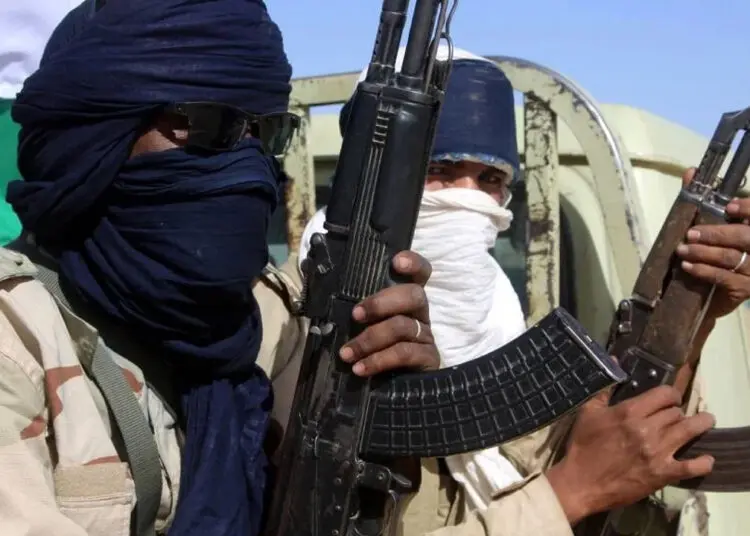
In a harrowing escalation of violence in northeastern Nigeria, jihadist militants believed to be linked to Boko Haram carried out coordinated attacks on multiple communities in Adamawa state, killing at least 25 people and causing widespread fear and displacement. The assaults, which unfolded late on Tuesday and continued into Wednesday, struck rural towns and villages in Madagali and Hong local government areas near the border with Cameroon, underscoring persistent security challenges in a region long afflicted by Islamist insurgency and intercommunal violence. The death toll and details emerged from local officials, state authorities and eyewitnesses speaking to journalists and international agencies.
According to local government sources and AFP reporting, militants on motorcycles launched an attack on a crowded market in Madagali on Tuesday evening. Gunmen opened fire on civilians, killing at least 21 people in that single incident. Survivors described chaos as shoppers and traders fled under a barrage of bullets, leaving bodies scattered and some victims dying in nearby bushland while seeking safety. After the initial assault, the attackers looted the market, stealing food supplies and motorcycles from traders before withdrawing into surrounding areas.
Shortly thereafter, another group of militants struck in Hong, targeting a military base and nearby civilian areas. Authorities reported that three soldiers were killed during clashes with the gunmen, while at least one civilian also lost their life in the violence. Homes and a school in the area were reportedly torched during the raid, and several residents were wounded as the militants moved through the community before withdrawing ahead of reinforcements.
The attacks forced hundreds of villagers to flee toward larger towns such as Mubi and Yola, seeking refuge from possible further violence. Many families are now displaced, carrying only the belongings they could salvage as they seek shelter and assistance from relatives and local authorities. Witnesses recounted scenes of panic and disorder, with residents abandoning homes and livestock to escape the militants’ advance.
Adamawa state governor Ahmadu Umaru Fintiri condemned the attacks in strong terms, calling the violence “cowardly acts of terrorism” designed to undermine fragile progress toward peace and stability in the region. Governor Fintiri reiterated that his administration would not be intimidated and pledged to pursue justice against those responsible, while urging increased military and security support for vulnerable communities. He also called for an enhanced security presence, including rapid response units capable of reaching remote areas quickly to deter similar attacks.
“We won’t bow to fear,” the governor said in his remarks, adding that security agencies were working to secure the affected local government areas, restore confidence, and ensure safety for residents who have endured years of insurgent threats.
Local government officials and opposition political figures echoed the governor’s condemnation. An All Progressives Congress (APC) chieftain in the state denounced the attacks as an assault on the stability and future of the entire northeastern region, stressing the need for unity and resilience in the face of terrorism.
The recent violence is part of a long-running insurgency in northeastern Nigeria that began more than 16 years ago with the rise of Boko Haram, an Islamist militant group seeking to establish a strict form of Islamic governance and reject Western-style education and government institutions. Over the years, the insurgency has claimed tens of thousands of lives and displaced millions across Nigeria and neighboring countries.
Despite repeated military operations aimed at dismantling Boko Haram and its splinter factions — including the Islamic State West Africa Province (ISWAP), which split from the original group in 2016 — the militants have remained capable of launching sporadic yet deadly attacks. The presence of dense forested terrain near the Sambisa Forest, historically a stronghold for insurgent groups, continues to provide militant cells with concealment and movement corridors for raids into nearby communities.
The humanitarian impact of the latest attacks is significant. Displacement is rising once again as families flee violence-prone areas in search of safety. Humanitarian agencies and local authorities are bracing for increased needs for shelter, food, medical care, and psychosocial support. In many communities, residents are struggling with trauma and insecurity after long periods of instability. Emergency responders have reported difficulties in reaching some of the affected villages due to poor roads and ongoing security risks.
The Nigerian military’s official response to the twin attacks has been cautious, with little immediate communication about counteroperations or progress in tracking the perpetrators. Security analysts, however, have highlighted ongoing efforts by the armed forces and allied regional forces to stem insurgent capabilities, including intelligence-led operations and aerial surveillance missions aimed at disrupting militant logistics and movement. Recent security operations across Adamawa and neighboring Borno State reportedly led to the arrest of a suspected drone and logistics supplier linked to Boko Haram, indicating a broader campaign to degrade insurgent infrastructure.
Still, the frequency and brutality of such raids underscore the persistent fragility of security across northeastern Nigeria. Militants have demonstrated an ability to exploit gaps in local defenses, striking at night when military patrols are thinner and rural communities are most exposed. Observers argue that while military pressure remains crucial, long-term stability will require strengthened community-based intelligence networks, socio-economic development, and initiatives to address the root causes of radicalization.
The recent attacks coincide with other violent incidents in northern Nigeria, including a jihadist assault on a mosque in Kebbi state that killed several worshippers, highlighting that insecurity extends beyond the northeast and involves multiple armed groups with shifting alliances and objectives.
As authorities continue to assess the full scale of the carnage in Adamawa state, families of victims are left to mourn the dead and grapple with the upheaval wrought by the violence. With tensions high and security concerns unresolved, the attacks have served as a stark reminder of the challenges that Nigeria faces in its quest to end insurgency and protect vulnerable civilians.
📩 Stone Reporters News | 🌍 stonereportersnews.com
✉️ info@stonereportersnews.com | 📘 Facebook: Stone Reporters | 🐦 X (Twitter): @StoneReportNew | 📸 Instagram: @stonereportersnews
Add comment
Comments