

Reported by: Ijeoma G | Edited by: Jevaun Rhashan
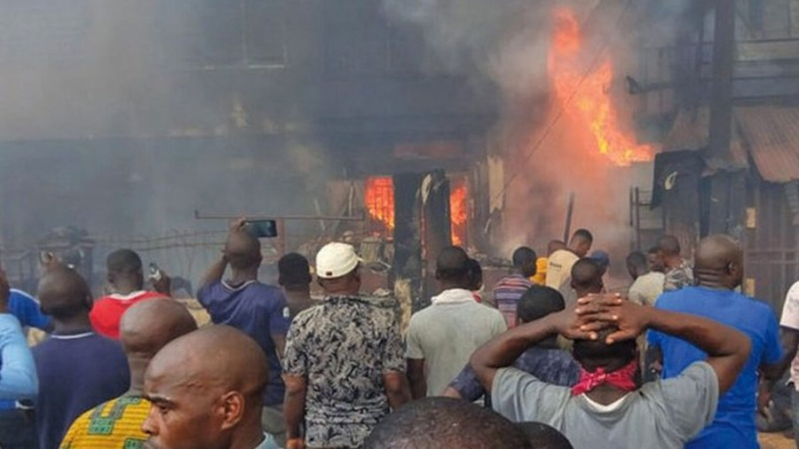
A major fire has gutted parts of a Qur’anic and Arabic school in Birnin Kebbi, prompting an urgent response from state authorities and leading to the safe evacuation of 142 students, officials and eyewitnesses confirm. The blaze, which broke out late on Saturday night, caused extensive damage to hostel blocks within the Nurul Haqq Qur’anic and Arabic School compound but did not result in any loss of life, according to government and emergency service sources.
Witnesses say the fire was first noticed as thick plumes of smoke rising above the school buildings just before 9 p.m., prompting alarm among residents and parents. According to accounts shared spontaneously on social media by those in the community, the blaze intensified quickly and spread across several dormitory structures, forcing students and staff to flee the scene.
State security agents and fire crews were alerted immediately, but the rapid escalation of the fire required a coordinated effort before containment could be achieved. The Kebbi State Fire Service deployed multiple firefighting teams, who battled the inferno for nearly three to four hours before bringing it under control in the early hours of Sunday morning. Officials credited their swift action with preventing a far more serious disaster.
Governor Nasir Idris played a direct role in the incident response after he noticed the smoke while on his way to break his Ramadan fast. Eyewitnesses said the governor’s convoy halted at the scene, and he immediately ordered that all students be evacuated before emergency responders arrived. Government statements highlighted his presence at the site throughout the operation, where he monitored rescue efforts and ensured students were safely relocated.
Parents and community members expressed relief that no deaths were recorded, given the residential nature of the school and the large number of students housed in the affected hostels. Many of the children were sleeping or preparing for the next day’s activities when the fire broke out, officials said, underscoring the potential peril of the situation.
Authorities have attributed the intensity of the blaze, at least in part, to stored gas cylinders found within some student rooms. Preliminary observations by emergency crews suggested that flammable gas may have accelerated the spread of flames, though officials emphasised that a full technical investigation is necessary before any definitive cause is determined.
Following the evacuation, students were relocated to the school’s main campus and provided with basic support services, including medical checks and temporary shelter, as authorities work to assess the full extent of structural damage. State officials confirmed that some students experienced minor injuries or smoke inhalation symptoms but were stabilised on site with no life-threatening conditions reported.
In response to the incident, Governor Idris has ordered the immediate constitution of a high-powered investigative committee to examine the circumstances surrounding the fire. The panel is expected to review safety compliance at the institution, including electrical installations, fire prevention measures, emergency evacuation readiness, and the storage of combustible materials within student hostels. Its mandate will include recommending corrective measures to prevent similar events in other schools across the state.
Education and safety advocates have seized on the incident as a reminder of longstanding concerns over infrastructure and regulatory oversight in residential educational facilities. In many parts of northern Nigeria, qur’anic and religious schools operate with limited formal inspection regimes, raising questions about fire safety standards, building maintenance, and emergency preparedness. The Kebbi fire has intensified calls for regular safety audits, functional alarm systems, and robust evacuation drills at boarding institutions.
Kebbi State government officials have urged calm among parents and residents, assuring them that the investigation will be transparent and that findings will guide policy improvements. A spokesperson for the governor’s office said that reconstruction and safety upgrades would begin once engineers and safety experts complete their assessments.
The incident has also drawn reactions from civil society and national observers, some of whom noted that fire outbreaks in school hostels remain a recurring safety challenge in parts of Nigeria. Experts cite a combination of ageing infrastructure, informal fuel storage practices, lack of fire detection systems, and insufficient training for staff and students on emergency procedures as underlying risk factors.
Parents whose children were evacuated described scenes of fear and confusion when the blaze began, but many also praised the coordinated response that ensured all students were accounted for. “We thank God that our children are alive,” one parent said in a community message shared online. “We were terrified when we heard about the fire, but the authorities moved swiftly to secure the children.”
Security personnel remained deployed around the school area in the aftermath of the blaze to prevent crowding and ensure public order as residents gathered to survey the damage and support affected families. Local leaders have called for regular engagement with parents and authorities to strengthen preparedness and restore confidence in the safety of boarding schools.
The full investigative report is awaited, and it is expected to shape subsequent policy actions designed to safeguard students and improve emergency response capabilities in schools throughout Kebbi State.
📩 Stone Reporters News | 🌍 stonereportersnews.com
✉️ info@stonereportersnews.com | 📘 Facebook: Stone Reporters | 🐦 X (Twitter): @StoneReportNew | 📸 Instagram: @stonereportersnews
Add comment
Comments