

Reported by: Oahimire Omone Precious | Edited by: Jevaun Rhashan
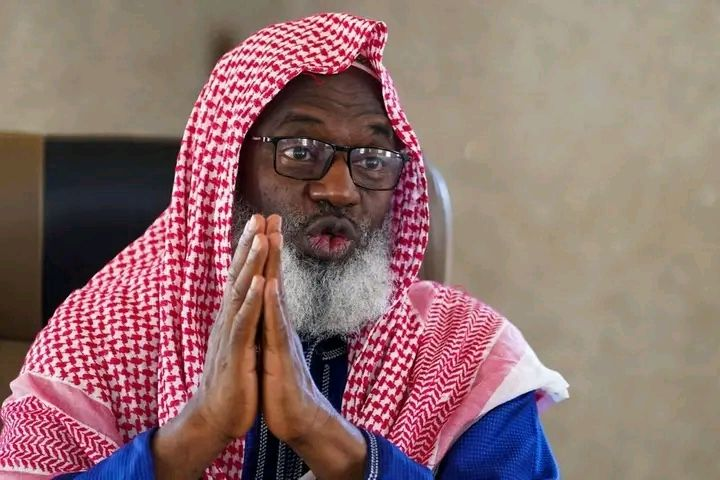
Controversial Nigerian Islamic cleric Ahmad Gumi has drawn widespread attention for his remarks following reports that Ali Khamenei, Iran’s Supreme Leader, was killed in a joint military operation by United States and Israeli forces. Gumi’s statement, posted on social media, characterises Khamenei’s death in ideological and religious terms, eliciting a mix of praise, criticism and broader discussion about the implications of such commentary.
Gumi described Khamenei as “a lucky soul” who “died in jihad against killers of innocent children and women in Gaza and elsewhere,” framing the reported death as part of a broader struggle against perceived oppression and violence. He asserted that Khamenei “stood firmly for Justice and didn’t hide in bunkers,” and suggested that the Iranian leader’s blood “will fuel the change in the ummah” — referring to the global Muslim community. In a striking warning, he added that those responsible for Khamenei’s killing “will have to live with the consequences.”
The cleric’s comments came amid conflicting information about the circumstances of Khamenei’s reported death. Multiple international sources have reported that Ayatollah Khamenei was killed in a series of U.S. and Israeli strikes that targeted Iranian leadership compounds and military installations. According to some reports, Iranian state media initially confirmed the death and declared a period of national mourning, though there have also been mixed signals about specific confirmation of the Supreme Leader’s status.
The geopolitical context surrounding these events is complex. A major confrontation involving U.S. and Israeli military action against Iranian targets has significantly escalated tensions in the Middle East, with diplomatic repercussions, shifts in international alliances, and concerns about broader conflict. Reactions from global leaders have varied, with some condemning the strikes as violations of international law and others characterising the operation as a decisive blow against Iranian state influence.
Domestically within Iran, reports indicate deeply polarised public responses to Khamenei’s death, with large state-organised mourning gatherings in cities like Tehran and numerous celebrations in other regions. For many supporters, Khamenei was a revered spiritual and political authority; for critics and pro-democracy activists, his rule symbolised repression and resistance. Responses within Iran and in expatriate communities reflect these divisions.
In Nigeria, Gumi’s statement drew criticism from civic organisations and commentators who argued that his remarks were inflammatory and inappropriate. Critics contend that depicting violent international events in religiously charged language can exacerbate tensions and influence public perception in ways that undermine social cohesion. Some human rights and democratic integrity advocates publicly condemned his tribute to Khamenei as insensitive given the broader context of civilian suffering and geopolitical conflict.
Gumi’s response also formed part of a broader pattern of his public engagement on security and geopolitical issues. In previous posts, he has commented on the causes and sponsorship of insecurity in Nigeria, urging accountability for those he perceives as contributing to violence. However, linking Nigeria’s domestic discourse to international conflict has reinforced debate over the role of religious leaders in political commentary.
Analysts observing these developments note that the death of a figure as influential as Khamenei — if consistently confirmed — represents a profound shift in Middle Eastern geopolitics. Iran’s leadership structure has entered a period of transition and crisis following his reported assassination, and a temporary council has reportedly taken charge pending the selection of a successor. This situation adds complexity to an already volatile regional landscape.
International reactions to the events surrounding Khamenei’s death have been starkly divided, with some world leaders condemning the strikes as illegal acts of aggression and others framing them as strategic successes or opportunities for change within Iran. The ripple effects extend across diplomatic relations, economic considerations — including oil markets — and broader security dynamics involving neighbouring states and global powers.
The controversy over Gumi’s remarks illustrates how narratives about major geopolitical events can resonate far beyond their immediate theatres, shaping discourse in countries like Nigeria whose own populations include diverse religious and political constituencies. As global events continue to unfold, observers emphasise the need for careful verification of emerging information and responsible commentary, particularly when public figures address topics that can deepen international or sectarian sensitivities.
📩 Stone Reporters News | 🌍 stonereportersnews.com
✉️ info@stonereportersnews.com | 📘 Facebook: Stone Reporters | 🐦 X (Twitter): @StoneReportNew | 📸 Instagram: @stonereportersnews
Add comment
Comments