

Reported By Mary Udezue | Edited by: Gabriel Osa
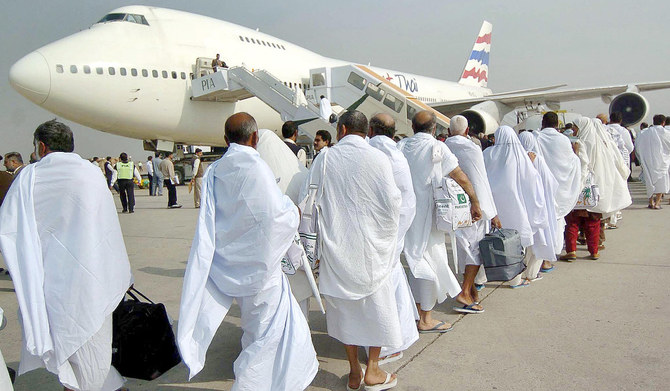
Travel arrangements for Nigerian pilgrims preparing for the upcoming Hajj pilgrimage have been thrown into serious uncertainty due to widespread flight disruptions linked to escalating conflict in the Middle East. Airlines and aviation authorities are adjusting or suspending services on key routes that Nigerian pilgrims typically use to travel to Saudi Arabia, creating logistical challenges and rising concerns among pilgrims, tour operators and aviation officials.
The disruptions stem from heightened hostilities between the United States, Israel and Iran, which have triggered airspace closures and flight cancelations across the Middle East. As a result, major international carriers that operate routes through Middle Eastern hubs — such as Emirates and Qatar Airways — have cancelled or delayed flights departing from Nigerian airports, affecting passengers bound for destinations in the Gulf and beyond.
The Federal Airports Authority of Nigeria (FAAN) issued a travel advisory acknowledging that airspace closures in parts of the Middle East had led to disruptions in scheduled flight operations from Nigerian airports, particularly those serving Gulf carriers. The advisory urged passengers to contact their respective airlines for updated flight statuses, rebooking options and guidance, while FAAN said it was closely monitoring the evolving situation in coordination with aviation regulators and airline partners.
Industry sources and media reports describe a growing “air of uncertainty” among Nigerian travellers and private tour operators involved in Hajj and Umrah logistics, with some flights temporarily grounded and passengers left waiting for clearer information on when or if scheduled services will resume. Many travellers have reportedly been advised not to travel to airports until flight status is confirmed to avoid further inconvenience.
The wider aviation turbulence is part of a global travel crisis that has seen airlines suspend routes across conflict-affected regions, with Middle Eastern airspace closures affecting not only Islamic pilgrimage travel but also broader civilian flight operations. Several countries, including UAE, Qatar, Kuwait and Iraq, have implemented partial or full airspace restrictions, prompting carriers to reroute or cancel services for safety reasons.
Nigerians already en route or scheduled to travel have felt the impact directly. Recent reports estimate that hundreds of Nigerian passengers were stranded when Middle Eastern airspace closures forced airlines such as Emirates and Qatar Airways to halt flights at short notice. Some passengers were asked to disembark after checking in, as international airports in the region adjusted operations in response to military tensions.
Although Saudi Arabia has not cancelled or postponed the official Hajj timetable, its airspace and those of other Gulf states are operating under high-risk conditions, according to aviation sources. The situation remains highly fluid, with airlines, aviation authorities and national regulators reassessing routes and safety protocols in real time.
The disruptions have prompted immediate logistical concerns for the National Hajj Commission of Nigeria (NAHCON), the government agency responsible for coordinating Nigerian pilgrims’ travel, accommodation and welfare during Hajj. NAHCON officials are reportedly engaged in ongoing consultations with airline operators and diplomatic partners to explore alternative travel arrangements that ensure pilgrims can reach Saudi Arabia safely and within Hajj migration windows.
Travel consultants involved in Hajj logistics have confirmed that booking adjustments and rerouting plans are already under consideration, though specifics have not yet been formalised. The uncertainty is expected to have ripple effects on pilgrimage planning, including potential higher airfares if alternative longer routes are adopted or if flight capacity becomes constrained by rerouting.
The broader consequences of the Middle East conflict on aviation extend beyond Hajj travel. Regional airline operations are grappling with unprecedented disruptions, and global carriers have been rerouting flights through alternative corridors to avoid closed airspace. International aviation analysts note that extended conflict could further delay the resumption of normal flight patterns, affecting millions of travellers and cargo movements worldwide.
In the Nigerian context, pilgrims and travellers have been urged to remain calm, maintain close communication with licensed tour operators and await official advisories from FAAN, NAHCON and their airline carriers. Authorities caution against travelling to airports without confirmed flight details to minimise inconvenience and potential financial loss.
This unfolding travel challenge underscores the complex interplay between global geopolitical instability and religious tourism logistics. While the Kingdom of Saudi Arabia has reaffirmed that the Hajj program will proceed as scheduled, the path to safe transit for thousands of Nigerian pilgrims remains to be fully secured.
📩 Stone Reporters News | 🌍 stonereportersnews.com
✉️ info@stonereportersnews.com | 📘 Facebook: Stone Reporters | 🐦 X (Twitter): @StoneReportNew | 📸 Instagram: @stonereportersnews
Add comment
Comments