

Published by: Oravbiere Osayomore Promise.
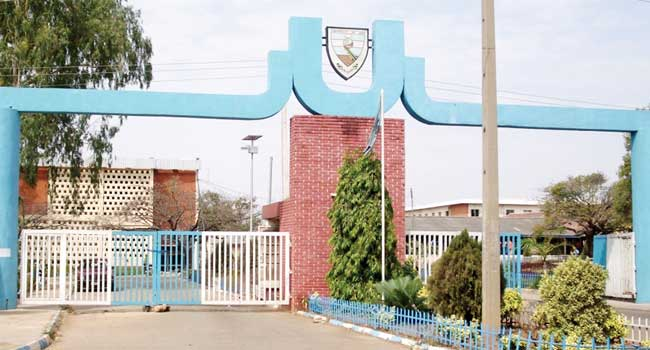
Jos, Plateau State, Nigeria — The University of Jos chapter of the Academic Staff Union of Universities (ASUU) has joined a widening dispute over delayed and incomplete salary payments for university lecturers, escalating tensions between academic staff and government authorities over wage implementation and agreed allowances. The move comes amid mounting frustration over the slow implementation of a renegotiated salary deal and broader long-standing issues affecting academic staff welfare across federal universities.
The union’s national leadership, led by Professor Christopher Piwuna, who hails from the University of Jos and was elected ASUU national president in 2025, had warned federal authorities that failing to pay salaries in full by the end of March 2026 would trigger a response from unions, including potential strike action. That warning followed concerns that university lecturers had not received complete pay under a new salary structure agreed with the government in late 2025, even as some institutions struggled to clear their January and February payrolls.
ASUU’s dispute centres on what members describe as persistent gaps between negotiated agreements and actual implementation, especially on salaries and allowances that were supposed to be paid after the union signed a new package with the Federal Government early this year. Although the government has publicly stated that a 40 per cent salary increase and other welfare measures are being rolled out, lecturers report that these changes have yet to reach most universities fully, and implementation has been inconsistent across institutions.
In late March, ASUU issued a four-day ultimatum demanding that the government begin paying the newly agreed salary structure or face a strong response, which members made clear could include strike action. Union leaders argued that prolonged delays in passing the national 2026 budget and incorporating the new salary structure into the appropriation had stalled pay increases, and that incomplete implementation risked undermining both academic staff welfare and confidence in government commitments.
The University of Jos chapter, echoing the national leadership’s position, confirmed that lecturers would withdraw their services if outstanding salaries and allowances were not paid. While formal nationwide strike notices have varied depending on local conditions at each campus, the UNIJOS branch has aligned itself with ASUU’s broader policy that if salaries are not received by designated deadlines, members would suspend academic duties until those obligations are met. This approach reflects a longstanding union resolution known informally as “no pay, no work,” which was invoked when salaries, including June 2025 pay in previous instances, were delayed beyond acceptable timelines.
ASUU’s employer expectations go beyond basic monthly wages. Central to the dispute are earned academic allowances, professor’s allowances, promotions, pension arrangements, and payments owed under earlier renegotiated agreements dating back years. Union members argue that while some components of agreements are acknowledged on paper, the lack of timely and comprehensive payments has eroded trust and forced branches like UNIJOS to take industrial action.
The national context for this confrontation includes years of ebbing industrial relations between ASUU and federal authorities, historically marked by recurring strikes over funding, salary scales, university autonomy and infrastructure revitalisation. Although the 2025 renegotiated deal was heralded by the government as a breakthrough designed to end frequent shutdowns, implementation obstacles — particularly relating to budgetary approval and administrative bottlenecks — have left many lecturers disillusioned.
For lecturers and students at UNIJOS, the immediate effects are profound. With academic staff withdrawing services, lecture halls have grown quiet and academic activities postponed. Students face uncertainty over timetables, examinations and the continuity of their programmes. Parents and student bodies have expressed deep concern over the possibility of extended disruption to academic calendars, particularly for students in critical stages of their studies.
The dispute at UNIJOS is occurring against a backdrop of similar frustrations at other federal and state universities. In past months, several institutions have invoked the union’s “no pay, no work” policy over delayed June 2025 salaries, and branches in other regions have threatened or embarked on warning strikes. Though the scale and specific triggers vary, the underlying theme remains the same: a profound dissatisfaction with how negotiated agreements on pay and welfare are being honoured.
Federal authorities, meanwhile, have maintained that progress is being made in fulfilling the agreements and that public universities should remain open. Government officials have sought to defuse anxiety by assuring Nigerians that salary increases and other provisions are being enacted, and that collaborative dialogue with unions continues with the aim of avoiding further industrial onslaughts. They have also portrayed reported ultimata as misinterpretations of negotiation timelines and sought to emphasise that most aspects of the agreement are being implemented.
Despite such assurances, lecturers’ frustration has only grown as they wait for full, consistent reflection of revised salary structures in their monthly pay. Many union members say that the delays, and the broader perception that government priorities lie elsewhere, have compelled them to take decisive industrial action after years of intermittent conflict.
The conflict highlights deeper systemic challenges in Nigeria’s education sector, including funding shortfalls, administrative implementation gaps and a fragile relationship between academic unions and state authorities. Without swift interventions and mutual compromises, the standoff at UNIJOS and other campuses could worsen, with broader implications for Nigeria’s higher education system, students’ academic progress and national development goals.
As negotiations and protests continue, all eyes are on government officials, university administrators and ASUU leaders to find a durable resolution that fulfils the union’s welfare demands while stabilising the academic calendar for students who are caught in the middle of recurrent labour disputes.
📩 Stone Reporters News | 🌍 stonereportersnews.com
✉️ info@stonereportersnews.com | 📘 Facebook: Stone Reporters News | 🐦 X (Twitter): @StoneReportNew | 📸 Instagram: @stonereportersnews
Add comment
Comments