

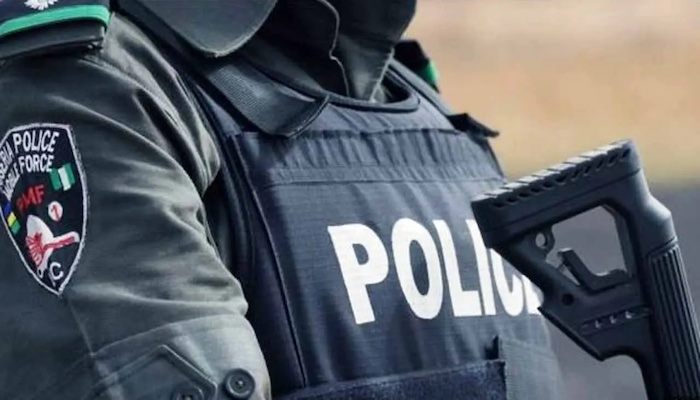
Police Trace Viral ‘Abuja Attack’ Video to Doctored Footage, Arrest Suspect as False Alarm Fuels Anxiety in Capital
The Nigeria Police Force has moved to shut down a wave of public fear triggered by a viral video that falsely claimed terrorists were attacking Abuja, saying the footage was manipulated, maliciously packaged and circulated to incite panic in the Federal Capital Territory. Police said a suspect, identified as Pam Joseph, has been arrested in connection with the creation and dissemination of the video after what authorities described as intelligence-led and digital forensic investigations. The case has quickly become a test of how Nigerian security agencies are trying to manage not only physical threats but also the destabilising impact of viral disinformation in a country already under intense security strain.
The false alarm appears to have unfolded in two linked stages. On April 9, the Federal Capital Territory Police Command publicly debunked a video alleging that terrorists were advancing on Abuja and that gunshots were “raining heavily” in the capital. The command said there was no record of any such attack or security breach anywhere in the FCT and added that preliminary findings showed the gunshot sounds had been edited from an unrelated source and superimposed on footage of an unidentified location with buildings under construction and no verifiable connection to Abuja. The command said the commissioner of police had ordered a forensic investigation to identify and apprehend those behind the clip.
By April 10, the matter had escalated to the national level, with Force Public Relations Officer DCP Anthony Placid stating that the Nigeria Police Force had arrested Pam Joseph over a separate but related viral video alleging an ongoing terrorist attack in Abuja. According to the force, preliminary investigations found that the material had been deliberately curated from misleading footage sourced online and used to construct a false narrative intended to cause panic, incite fear and undermine public confidence in the capital’s security architecture. Police said the suspect remained in custody and would be charged after the conclusion of investigations.
A particularly inflammatory version of the rumour claimed that the military had flown around 1,000 chained and blindfolded terrorist suspects into Abuja aboard a Nigerian Air Force C-130 aircraft. That allegation circulated at a sensitive moment and gained traction because it appeared to fit into a broader atmosphere of unease in the capital. But reporting reviewed on Saturday indicates that this narrative was misleading and likely conflated or distorted real movements connected to ongoing terrorism trials in Abuja. Arise News, citing a source familiar with the process, reported that the suspects in question were not based in Abuja but were being transported from detention facilities, mostly in Maiduguri, for court proceedings in the Federal Capital Territory.
That context is important. The Associated Press reported on April 11 that a court in Abuja had just convicted more than 300 terrorism suspects in a mass trial spanning four days, with Nigeria’s attorney general saying 508 cases had been brought and 386 convictions secured. Many defendants pleaded guilty and some received sentences of up to 20 years in prison. The scale of that process helps explain why there may have been unusual movement of terrorism suspects under heavy security in and around the capital, even though the police maintain the viral clips themselves were manipulated and falsely presented as evidence of an active attack. In effect, a real and highly sensitive judicial process appears to have been repackaged online into a fabricated security emergency.
The false claims landed at a time when public nerves in Abuja were already strained. Reuters reported on April 9 that the United States had expanded its Nigeria travel warning and authorised the departure of non-emergency U.S. government employees and their family members from the embassy in Abuja, citing worsening security conditions across the country. The U.S. embassy also said it had suspended visa appointments while continuing emergency services for American citizens. Although that advisory was not tied by officials to any confirmed attack in Abuja, it contributed to an atmosphere in which unverified video clips could spread rapidly and be more readily believed. Arise specifically noted that public anxiety over the viral footage was heightened by the recent U.S. advisory and the temporary drawdown of embassy staff.
The police response has therefore had two distinct elements: first, public reassurance that there was no terrorist attack in the FCT corresponding to the viral footage, and second, enforcement action against the originator or distributor of the fabricated material. The FCT command said residents should ignore and stop sharing false content designed to cause panic. The Force Headquarters echoed that line, warning that freedom of expression does not include the deliberate spread of misinformation capable of threatening public peace and national security. Both the FCT command and the national force stressed that digital trails were being traced and that those responsible could face prosecution.
What remains less clear in the public record is whether the suspect police arrested created the original footage, merely recirculated it, or was part of a wider network amplifying the false claim across multiple platforms. The available police statements, as reflected in media reports, say only that the suspect was linked to the origin and circulation of the video. Authorities have not yet publicly laid out a full forensic timeline showing when the video was first uploaded, how it was edited, or how many accounts were involved in making it trend. That missing detail matters because misinformation campaigns tied to security issues can either be the work of a single opportunist or part of a broader coordinated effort to provoke fear and distrust.
Even so, the incident underscores a larger reality in Nigeria’s security environment. The country is confronting actual and persistent threats, including a long-running insurgency in the northeast, armed banditry in the northwest, kidnappings and communal violence in several regions. In such an environment, fabricated security videos can be unusually potent because they exploit existing fears. The Abuja false alarm did not emerge in a vacuum. It piggybacked on genuine concern about terrorism, active counterterrorism prosecutions and heightened international caution over Nigeria’s security climate. That combination made the rumour especially combustible.
Stone Reporters note that the case is not only about one misleading clip or one arrest. It illustrates how modern security management in Nigeria now runs on two fronts at once: confronting armed threats in the field while also containing digital narratives that can spread faster than official clarifications. For Abuja residents, the immediate official position is clear: police say there was no attack matching the viral video, the footage was doctored, and a suspect has been detained. The next key issue will be whether prosecutors can present enough evidence in court to show exactly how the false alarm was manufactured, who benefited from it, and whether others were involved in pushing a fabricated terror scare into the public space.
📩 Stone Reporters News | 🌍 stonereportersnews.com
✉️ info@stonereportersnews.com | 📘 Facebook: Stone Reporters News | 🐦 X (Twitter): @StoneReportNew | 📸 Instagram: @stonereportersnews
Add comment
Comments