

Nigeria Expands Terrorism Sanctions List, Names Individuals and Entities in Fresh Crackdown
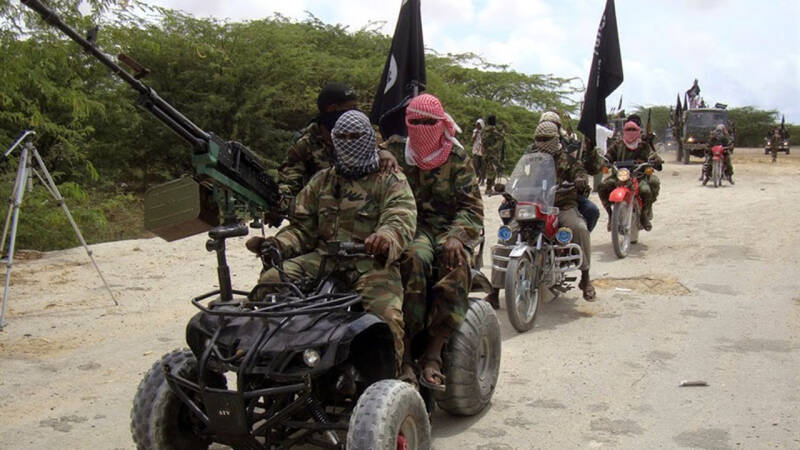
Nigeria’s federal government has released a fresh list of individuals and entities designated as terrorism sponsors, intensifying its crackdown on financial networks linked to insurgency and extremist activities across the country. The move, approved by the National Sanctions Committee, marks a significant step in efforts to publicly identify and penalize those accused of enabling violent groups such as Boko Haram and its affiliates.
According to official disclosures, the latest update to Nigeria’s sanctions register includes the names of Abubakar Muhammad, Aliyu Dauda, Ismaila Sadiq, Sani Musa, Abdullahi Ibrahim, Mohammed Lawal, Yahaya Bello, Garba Shehu, Ibrahim Adamu, and Mustapha Usman, alongside three entities identified as Al-Hilal Trading Company, Sadiq Agro Ventures, and Northern Aid Foundation. Authorities allege that these individuals and organisations have been involved in financing, facilitating, or otherwise supporting terrorist operations either directly or through complex financial networks.
The designations trigger immediate legal and financial consequences. All assets and accounts linked to the named persons and entities are to be identified and frozen without prior notice. Financial institutions across the country have been directed to ensure strict compliance, including the reporting of any transactions connected to those listed. The sanctions also impose travel bans and prohibit any form of business engagement with the designated parties.
Officials say the latest action is based on intelligence-driven investigations involving multiple agencies, including the Nigerian Financial Intelligence Unit and security services. The process, they note, involved tracing financial flows, identifying intermediaries, and establishing links between suspects and known terrorist groups operating in various regions of Nigeria.
The government maintains that terrorism financing remains a critical enabler of insecurity, particularly in the northeast and northwest, where insurgent and armed groups continue to carry out attacks on civilians, security personnel, and infrastructure. By targeting individuals accused of providing funding and logistical support, authorities aim to weaken the operational capacity of these groups and disrupt their supply chains.
Analysts have long argued that cutting off financial lifelines is essential in combating terrorism. Funds are often used to procure weapons, sustain recruitment, and maintain communication networks. In Nigeria’s case, financing has reportedly flowed through both formal banking systems and informal channels, including cross-border transactions and unregulated money transfer networks.
The inclusion of corporate entities in the sanctions list underscores concerns that some businesses may be used as fronts for illicit activities. Authorities allege that the named companies facilitated transactions or provided cover for financial operations linked to extremist groups. As part of the enforcement measures, regulators have instructed banks and other financial service providers to scrutinize corporate accounts and flag any suspicious patterns associated with the listed organisations.
This latest development follows earlier commitments by the administration of President Bola Tinubu to take decisive action against terrorism sponsors. Government officials had indicated that identifying and exposing financiers would be a priority, aimed at enhancing transparency and demonstrating accountability in the fight against insecurity.
However, previous attempts to publish such lists have not been without controversy. In the past, reports of alleged sponsors circulated without formal confirmation, leading to denials and legal disputes. Authorities have since emphasized that the current designations are based on verified intelligence and have undergone due process within the framework of Nigeria’s counterterrorism laws.
Security experts caution that while sanctions are an important tool, their effectiveness depends on consistent implementation and coordination among institutions. They stress the need for continued collaboration between financial regulators, law enforcement agencies, and international partners to ensure that designated individuals cannot circumvent restrictions by moving assets across borders or using proxy networks.
There are also calls for transparency and judicial follow-up to accompany the sanctions. Legal analysts argue that public naming should be matched with thorough investigations and, where sufficient evidence exists, prosecution in court. This, they say, is necessary to maintain public confidence and uphold the rule of law.
Nigeria continues to face significant security challenges, with insurgency, banditry, and kidnapping affecting multiple regions. Boko Haram and the Islamic State West Africa Province remain active in the northeast, while armed groups in the northwest and central regions have expanded their operations. The financial networks sustaining these groups are often difficult to trace, making enforcement efforts complex and resource-intensive.
Despite these challenges, authorities insist that the expansion of the sanctions list sends a strong message that support for terrorism will not be tolerated. They are urging the public to cooperate by reporting suspicious activities and ensuring compliance with financial regulations designed to combat illicit flows.
As the government intensifies its focus on dismantling the economic foundations of terrorism, the newly named individuals and entities are expected to face increased scrutiny both domestically and internationally. The effectiveness of these measures will likely depend on sustained enforcement, institutional coordination, and the ability of authorities to translate sanctions into broader security gains on the ground.
📩 Stone Reporters News | 🌍 stonereportersnews.com
✉️ info@stonereportersnews.com | 📘 Facebook: Stone Reporters News | 🐦 X (Twitter): @StoneReportNew | 📸 Instagram: @stonereportersnews
Add comment
Comments