

Reported by: Ijeoma G | Edited by: Oravbiere Osayomore Promise.
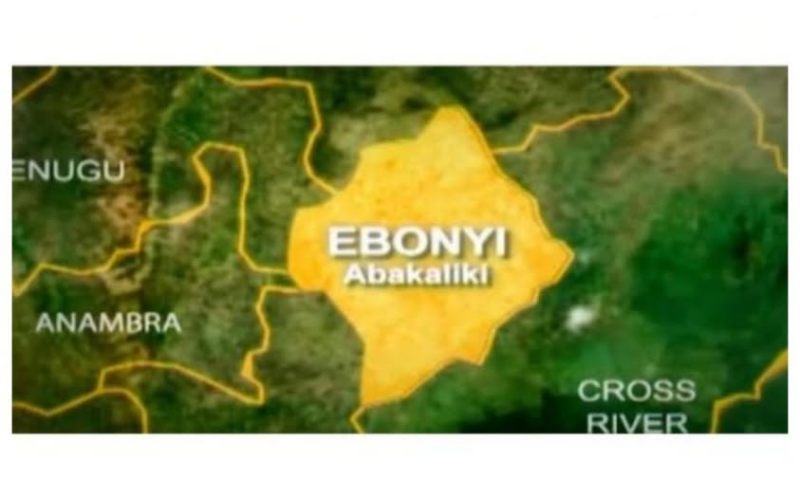
Tension has engulfed the Federal College of Agriculture, Ishiagu in Ebonyi State following a leadership dispute that has produced two competing claims to the office of Provost and sparked industrial action by staff unions, disrupting academic and administrative activities at the institution.
The crisis escalated after Dr. Jonah Nwawuisi, who has been serving as Acting Provost since last year, continued to discharge duties in that capacity, while the Federal Government announced the appointment of Professor Agwu Ekwe as substantive Provost on April 10, 2026. The overlapping authorities have created confusion within the college, with both individuals reportedly issuing directives to staff.
On Monday, members of the Joint Union Action and the Academic Staff Union of Colleges of Agriculture shut the main gate and sealed the Provost’s office in protest against what they described as irregularities in the appointment process. The unions later partially reopened access to the institution in the afternoon, but academic activities remained largely disrupted as tension persisted on campus.
Union leaders said the development has left staff uncertain about administrative hierarchy, with conflicting instructions emanating from the two claimants to the office. The situation, they argued, has undermined effective governance and created an atmosphere of instability that threatens the academic calendar of the institution.
Chairman of the Joint Union Action, Dr. ThankGod Nwaneri, expressed frustration over what he described as procedural violations in the appointment of the new Provost. He stated that the absence of interviews for candidates who applied for the position raised concerns about transparency and fairness in the selection process. According to him, qualified applicants had submitted credentials following the advertisement of vacancies across federal Colleges of Agriculture, but had not been subjected to either oral or written assessment before the appointment was announced.
He further argued that the process undermines due process requirements traditionally observed in academic leadership appointments, insisting that the decision has deepened mistrust among staff. He also highlighted previous administrative actions within the institution, including controversial staff transfers, as contributing factors to the growing dissatisfaction among employees.
The unions maintain that the appointment bypassed established procedures set out by the Governing Council of the Agricultural Research Council of Nigeria, which had earlier advertised vacancies for chief executive positions across several colleges. They argue that the sudden appointment of a Provost in Ishiagu alone raises questions about consistency and fairness in the implementation of the process.
Dr. Nwaneri called on the Federal Government to intervene urgently, reverse the appointment of a university professor as Provost, and ensure that the position is filled by a candidate from within the College of Agriculture system. He stressed that the ongoing disruption was already affecting teaching, research, and administrative coordination within the institution.
The Academic Staff Union of Colleges of Agriculture also rejected the appointment, describing it as inconsistent with established norms governing leadership selection in agricultural colleges. The national leadership of the union, represented by Dr. Kadurumba Chukwuemeka, said the decision undermines institutional autonomy and violates agreed procedures for appointing chief executives across the affected institutions.
He demanded the immediate withdrawal of the appointment and the commencement of a transparent selection process covering all seven colleges affected by the recruitment exercise. The union also issued a fourteen-day ultimatum for the completion of pending appointments and the release of a revised scheme of service addressing long-standing structural concerns within the college system.
regarding the balance between merit-based internal progression and external academic recruitment. need clearer regulatory guidance to prevent repeated conflicts that could weaken institutional stability and undermine confidence in governance structures across the agricultural education sector.
The crisis has also drawn attention to broader concerns over governance in tertiary agricultural institutions in Nigeria, particularly regarding the balance between merit-based internal progression and external academic recruitment. Stakeholders within the sector argue that inconsistent application of rules has contributed to recurring disputes and declining morale among staff.
At the Federal College of Agriculture, Ishiagu, normal operations remain suspended as staff await clarification from relevant authorities. Students and academic activities have been affected, with lectures and administrative services halted due to the uncertainty surrounding leadership.
Efforts by stakeholders to resolve the impasse have yet to yield results, as both sides maintain firm positions on the legitimacy of their claims and the integrity of the appointment process. The situation continues to generate anxiety within the campus community, with calls for swift intervention to restore order and prevent further deterioration of the academic environment.
Within the affected college, concerns have also been raised about the psychological and academic impact on students who are currently unable to access regular lectures, laboratory sessions, and administrative services. Parents and guardians are reportedly seeking clarity on the status of the academic calendar, while staff members remain divided over compliance with directives issued by the competing leadership claims. The absence of a unified administrative authority continues to heighten uncertainty as stakeholders await intervention from relevant federal authorities.
Observers further say the outcome of the dispute may influence future appointment procedures in similar federal institutions, particularly regarding the balance between merit-based internal progression and external academic recruitment. need clearer regulatory guidance to prevent repeated conflicts that could weaken institutional stability and undermine confidence in governance structures across the agricultural education sector.
📩 Stone Reporters News | 🌍 stonereportersnews.com
✉️ info@stonereportersnews.com | 📘 Facebook: Stone Reporters News | 🐦 X (Twitter): @StoneReportNew | 📸 Instagram: @stonereportersnews
Add comment
Comments