

Reported by: Ijeoma G | Edited by: Oravbiere Osayomore Promise.
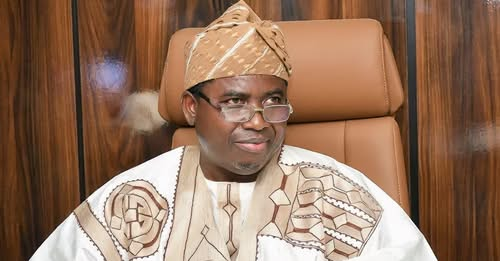
The Resource Centre for Human Rights and Civic Education (CHRICED) has called for the resignation of the Chairman of the Independent National Electoral Commission, Professor Joash Amupitan, amid growing concerns over alleged political bias and declining public confidence in the country’s electoral system.
The demand was made during a press briefing in Abuja on April 15, 2026, where the group’s Executive Director, Ibrahim Zikirullahi, warned that perceptions of partisanship within the electoral commission could undermine trust in Nigeria’s democratic process if not urgently addressed.
CHRICED said recent allegations linking the INEC chairman to partisan activity on social media, including posts on X, have heightened suspicions about the neutrality of the electoral body. While no official findings of misconduct have been confirmed, the organisation argued that public perception alone is sufficient to threaten confidence in electoral administration.
According to the group, growing distrust in INEC risks weakening the credibility of future elections, particularly as Nigeria prepares for the 2027 general election cycle. Zikirullahi stated that safeguarding the integrity of the electoral process requires not only impartial conduct but also the appearance of neutrality from those in leadership positions.
He urged Professor Amupitan to step aside voluntarily, arguing that such a move would help preserve the integrity of the institution and restore public confidence. He also cautioned against what he described as the use of state institutions to defend individuals under public scrutiny, stressing that electoral bodies must remain independent of political influence.
CHRICED’s statement comes at a time of heightened political sensitivity in Nigeria, with opposition parties already raising questions about electoral fairness and governance ahead of the next election cycle. The organisation’s remarks reflect broader concerns among civil society groups about the state of democratic institutions and their perceived independence.
Beyond electoral issues, Zikirullahi used the briefing to highlight wider national challenges, including insecurity, economic hardship, and what he described as shrinking civic space. He said these issues are collectively eroding public trust in government institutions and placing additional strain on citizens.
He pointed to ongoing security challenges across various parts of the country, including incidents in states such as Plateau State and Borno State, where violent attacks and kidnappings have continued to raise alarm among residents and humanitarian observers.
According to him, the persistence of such incidents reflects a deeper security breakdown that threatens social stability and democratic governance. He also expressed concern over what he described as selective law enforcement and alleged harassment of opposition voices, warning that such trends could undermine democratic accountability.
On the economic front, CHRICED noted the impact of inflation, unemployment, and rising living costs on ordinary Nigerians. The organisation described a situation in which many households are struggling to meet basic needs, with some families reportedly reducing meals or withdrawing children from school due to financial pressure.
These challenges, the group argued, are contributing to a broader erosion of confidence in public institutions and governance structures. It called for urgent policy interventions to address economic hardship, improve access to education and healthcare, and strengthen protections for civil liberties.
The organisation also emphasized the importance of safeguarding civic space, warning that restrictions on free expression and political participation could further weaken democratic governance. It urged authorities to ensure that citizens and civil society actors can engage freely in public discourse without fear of intimidation.
Zikirullahi stressed that Nigeria is at a critical juncture and must take decisive steps to prevent further deterioration of its democratic institutions. He called for leadership that prioritizes transparency, accountability, and inclusiveness in governance.
“Democracy is not a spectator sport,” he said, emphasizing the need for active citizen participation and institutional responsibility in sustaining democratic values.
While the Independent National Electoral Commission has not officially responded to the call for resignation, the allegations and ensuing debate are expected to intensify political discussions in the coming months. Electoral integrity remains a central issue in Nigeria’s democratic discourse, particularly as the country approaches another major election cycle.
Observers note that the credibility of electoral institutions plays a crucial role in shaping public trust and political stability. As such, any perception of bias or misconduct—whether proven or not—can have far-reaching implications for democratic legitimacy.
The ongoing debate highlights the delicate balance between institutional independence, public accountability, and political perception in Nigeria’s evolving democratic landscape.
📩 Stone Reporters News | 🌍 stonereportersnews.com
✉️ info@stonereportersnews.com | 📘 Facebook: Stone Reporters News | 🐦 X (Twitter): @StoneReportNew | 📸 Instagram: @stonereportersnews
Add comment
Comments