

Reported by: Ijeoma G | Edited by: Pierre Antoine
Nigeria’s presidency has asserted that the country should not be classified as poor, calling instead for a shift in national and international discourse toward addressing inequality and deep-rooted structural economic challenges that continue to shape living conditions for millions of citizens.
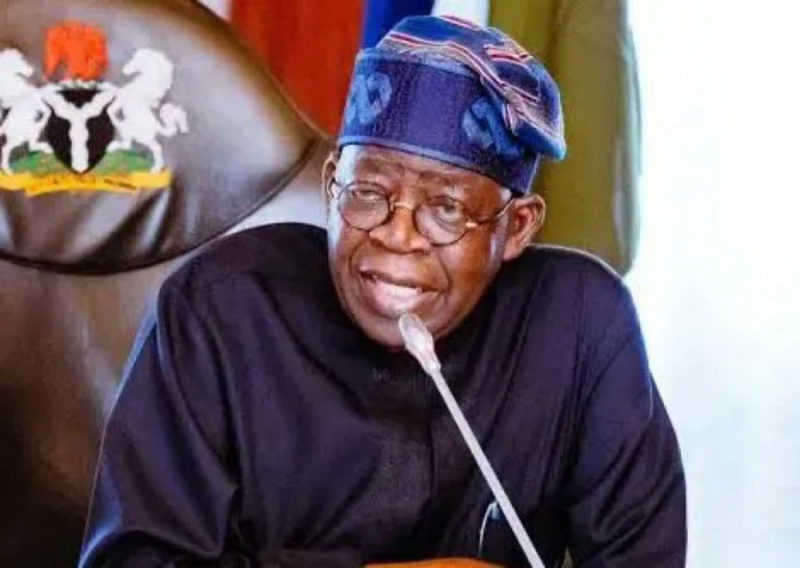
The position was conveyed in a recent policy communication from officials within the administration of President Bola Ahmed Tinubu, who emphasized that Nigeria’s economic fundamentals, resource base, and market potential contradict the widespread characterization of the country as impoverished. Rather than framing Nigeria through a poverty lens, the presidency argued that the more accurate and constructive approach is to confront disparities in wealth distribution, access to opportunity, and systemic inefficiencies.
According to the presidency, Nigeria possesses significant economic assets, including vast natural resources, a large and youthful population, and one of the biggest markets in Africa. These factors, officials say, position the country as a potentially strong economic player, despite persistent development challenges. The administration stressed that focusing exclusively on poverty statistics risks oversimplifying the country’s economic reality and obscuring the structural factors that drive inequality.
The statement comes at a time when Nigeria continues to grapple with complex economic pressures, including inflation, currency volatility, and the effects of major policy reforms such as the removal of fuel subsidies and adjustments in foreign exchange management. These measures, while aimed at long-term economic stabilization, have contributed to short-term hardship for many households, intensifying public debate about economic conditions.
Government officials maintain that such reforms are necessary to correct longstanding distortions in the economy and to create a more sustainable fiscal environment. They argue that the challenge is not merely the existence of poverty, but the uneven distribution of resources and opportunities that leaves large segments of the population unable to fully participate in economic growth.
Stone Reporters note that this framing aligns with broader economic analyses that distinguish between absolute poverty and structural inequality. While poverty refers to a lack of basic resources, inequality addresses how wealth and income are distributed across a population. In Nigeria’s case, the presidency appears to be emphasizing the latter as the more critical issue requiring policy attention.
Data from various economic assessments have consistently highlighted Nigeria’s paradox: a country with substantial aggregate wealth and economic activity, yet with a high proportion of its population living in conditions of deprivation. This disconnect has often been attributed to factors such as governance challenges, infrastructure deficits, limited industrial diversification, and barriers to inclusive growth.
The presidency’s position also reflects an attempt to reshape public perception and international narratives about Nigeria. Officials argue that labeling the country as poor can influence investor confidence, policy framing, and even domestic morale. By contrast, presenting Nigeria as a resource-rich nation with structural challenges is intended to encourage solutions-oriented engagement from both domestic stakeholders and international partners.
However, the statement has generated mixed reactions among economists, policy analysts, and civil society actors. Some experts agree that focusing on inequality and structural reform is essential, noting that economic growth alone does not automatically translate into improved living standards for all citizens. They argue that addressing disparities in education, healthcare, infrastructure, and access to finance is critical for achieving inclusive development.
Others, however, caution that the emphasis on reframing the narrative should not downplay the lived realities of millions of Nigerians who face daily economic hardship. For these critics, the distinction between poverty and inequality, while analytically valid, may appear disconnected from immediate concerns about food security, employment, and cost of living.
Stone Reporters note that Nigeria’s economic indicators present a complex picture. The country remains Africa’s largest economy by gross domestic product, yet it also has one of the highest numbers of people living below the poverty line globally. This duality underscores the presidency’s argument that aggregate wealth does not necessarily reflect individual well-being.
The administration has indicated that its policy focus will continue to center on structural reforms aimed at improving productivity, expanding economic opportunities, and reducing disparities. Key areas of attention include investment in infrastructure, support for small and medium-sized enterprises, and efforts to enhance human capital development through education and healthcare initiatives.
In addition, the government has highlighted ongoing efforts to strengthen social protection programs designed to cushion the impact of economic reforms on vulnerable populations. These measures are intended to provide targeted support while broader structural changes take effect.
The presidency’s call to shift the narrative also intersects with global discussions about how countries are categorized and assessed economically. Traditional metrics such as gross domestic product and poverty rates, while important, are increasingly complemented by measures of inequality, human development, and multidimensional poverty. Nigeria’s position suggests a desire to align with these more nuanced frameworks.
As the debate continues, the effectiveness of the administration’s approach will likely depend on its ability to translate policy objectives into tangible improvements in living conditions. Addressing inequality requires not only economic growth but also deliberate interventions to ensure that the benefits of that growth are widely shared.
For many Nigerians, the central question remains whether the proposed shift in discourse will lead to measurable change in their daily lives. While the presidency emphasizes structural reform and long-term potential, public expectations are shaped by immediate economic realities and the need for visible progress.
The discussion around whether Nigeria is poor or unequal reflects deeper questions about development strategy, governance, and national identity. It also highlights the importance of balancing narrative framing with practical policy outcomes, as the country navigates a challenging economic landscape.
📩 Stone Reporters News | 🌍 stonereportersnews.com
✉️ info@stonereportersnews.com | 📘 Facebook: Stone Reporters News | 🐦 X (Twitter): @StoneReportNew | 📸 Instagram: @stonereportersnews
Add comment
Comments