

Reported by: Ijeoma G | Edited by: Oravbiere Osayomore Promise.
Fresh fears have gripped commuters in southern Nigeria following reports of a violent attack by suspected gunmen along the Benin–Lagos Expressway, one of the country’s busiest transport corridors, where a commercial driver was killed and several passengers abducted.
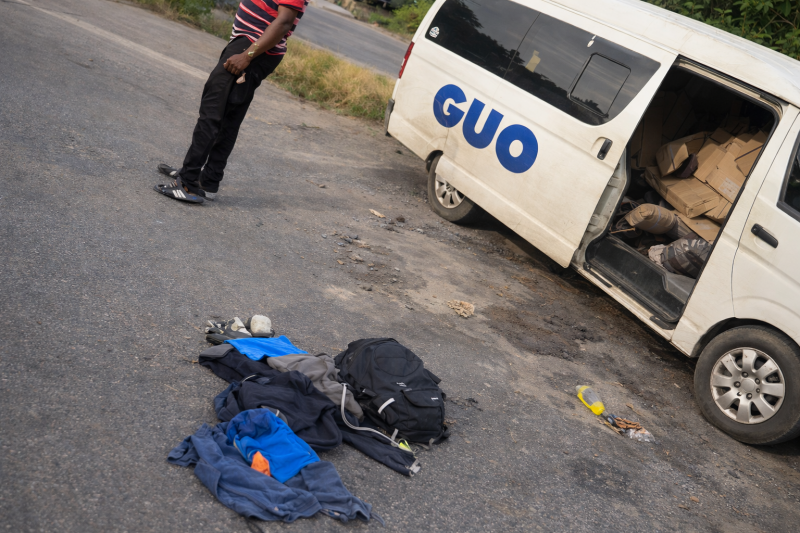
According to emerging details from eyewitness accounts and local sources, the attackers intercepted vehicles along the highway, believed to be within the Benin–Ore axis, a stretch long associated with recurring security threats. The gunmen reportedly opened fire on moving vehicles, fatally shooting the driver before forcing passengers out and leading them into nearby forested areas.
The exact number of passengers abducted remains unclear, and as of the time of reporting, there has been no official confirmation from the Nigeria Police Force or other security agencies regarding the incident. However, the method of attack closely mirrors previous cases recorded along the same route.
The Benin–Lagos Expressway serves as a critical link between Nigeria’s southwestern and southern regions, facilitating both commercial and passenger movement. It connects key economic hubs including Benin City and Lagos, making it one of the most heavily used highways in the country.
Security analysts say attacks of this nature often follow a calculated pattern. Armed groups typically position themselves along less-policed sections of the road, sometimes using obstructions or sudden gunfire to force vehicles to stop. Once halted, drivers are often targeted first to immobilise the vehicle, after which passengers are rounded up and marched into surrounding bush paths before help can arrive.
The latest incident adds to a growing pattern of highway abductions across Nigeria, reinforcing concerns about the safety of intercity travel. In previous attacks along the Benin–Ore corridor, victims have been held for ransom, with kidnappers contacting families through seized mobile phones and demanding large sums for release.
Across the country, kidnapping for ransom has become a major component of Nigeria’s broader security crisis. Criminal groups operate across multiple regions, targeting highways, rural communities and occasionally urban outskirts. Their activities are often driven by financial motives, with ransom payments forming a significant source of income.
Experts point to several contributing factors behind the persistence of such attacks, including limited security presence on remote stretches of highways, intelligence gaps, and the existence of dense forests that provide cover for criminal operations. Economic hardship has also been cited as a factor increasing vulnerability to organized crime.
For many Nigerians, road travel has become increasingly risky. Commercial drivers and passengers often rely on informal safety strategies such as travelling in convoys, avoiding night journeys or relying on local knowledge about dangerous routes. Despite these measures, attacks continue to occur, sometimes even during daylight hours.
The psychological toll of such incidents is considerable. Survivors of similar kidnappings frequently describe traumatic experiences, including threats, harsh conditions and prolonged uncertainty. Families of victims often face immense pressure to secure ransom payments, sometimes selling assets or seeking community assistance.
Security agencies have repeatedly pledged to strengthen patrols and surveillance along major highways, including the Benin–Lagos Expressway. Joint operations involving police, military and other security bodies have been announced in the past, but critics argue that these efforts have yet to produce consistent results in high-risk zones.
Transport unions and community leaders have continued to call for more robust and sustained interventions. Proposals have included the installation of surveillance systems, establishment of permanent security checkpoints and deployment of rapid-response teams capable of reacting swiftly to distress calls.
The absence of immediate official confirmation in this latest case highlights ongoing challenges in crisis reporting and response. Initial information often emerges from eyewitnesses or informal networks, while official statements may take time as authorities verify details.
Meanwhile, families of those reportedly abducted are likely facing an anxious wait for updates. In many similar cases, kidnappers establish contact within days, setting ransom demands and conditions for negotiation.
The killing of the driver underscores the level of violence associated with these attacks. Drivers are frequently the first targets, as disabling the vehicle ensures that passengers cannot escape, a tactic that has been observed in numerous incidents across Nigeria’s highways.
As investigations continue, the latest attack once again raises urgent questions about the effectiveness of current security measures and the need for more comprehensive strategies to safeguard Nigeria’s road networks.
For commuters and transport operators who depend daily on this vital route, the threat remains immediate and deeply unsettling, reinforcing calls for decisive action to restore safety and public confidence.
📩 Stone Reporters News | 🌍 stonereportersnews.com
✉️ info@stonereportersnews.com | 📘 Facebook: Stone Reporters News | 🐦 X (Twitter): @StoneReportNew | 📸 Instagram: @stonereportersnews
Add comment
Comments