

Reported by: Ijeoma G | Edited by: Oravbiere Osayomore Promise.
The Federal Road Safety Corps has issued a nationwide alert urging motorists to reduce speed and exercise heightened caution as Nigeria enters the peak of the 2026 rainy season, warning that a combination of slippery roads, poor visibility and deteriorating infrastructure could significantly increase the risk of fatal accidents.
In a statement released on Monday, the agency stressed that excessive speed on wet and unstable road surfaces remains one of the leading causes of crashes during the rainy months, a period historically associated with a surge in traffic incidents across the country.
The Corps Marshal, Shehu Mohammed, highlighted the dangers posed by rainfall, noting that downpours often reduce visibility, obscure road markings and create waterlogged sections that can destabilise vehicles and impair driver judgment. According to him, these conditions demand a more cautious driving approach, particularly on highways and poorly maintained roads where hazards are less predictable.
The warning comes at a time when meteorological and emergency agencies have also raised concerns about the broader impact of the rainy season, including flooding risks in several parts of the country. Government forecasts indicate that dozens of states could experience varying levels of flooding in 2026, with thousands of communities identified as vulnerable to heavy rainfall and water-related disasters.
Against this backdrop, the FRSC emphasised that road users must adapt their driving habits to seasonal conditions. The agency specifically advised motorists to maintain safe speed limits, keep adequate distance between vehicles and ensure their cars are roadworthy before embarking on journeys. These measures, officials say, are critical in reducing the likelihood of collisions on rain-soaked roads.
Drivers were also cautioned against sudden braking, a common reaction that can lead to loss of control on slippery surfaces. Instead, the Corps encouraged gradual deceleration and consistent speed management, especially when approaching bends, intersections or areas with standing water.
Another major concern raised by the agency is visibility. During heavy rainfall, reduced sight distance can make it difficult for drivers to detect obstacles, other vehicles or pedestrians in time to react safely. To mitigate this risk, motorists have been advised to use headlights appropriately and remain fully attentive behind the wheel, avoiding distractions that could compromise their response time.
The FRSC further pointed to the condition of Nigeria’s road infrastructure as a compounding factor. Rain often exacerbates existing problems such as potholes, eroded shoulders and faded lane markings, creating additional hazards for drivers. In many areas, poor drainage systems lead to water accumulation on roads, increasing the chances of hydroplaning, a phenomenon where tyres lose contact with the road surface due to a thin layer of water.
Officials noted that these risks are not evenly distributed, with rural and semi-urban roads often presenting greater dangers due to limited maintenance and weaker enforcement of traffic regulations. However, even in major cities, heavy rainfall can quickly overwhelm drainage systems, leading to flash flooding that disrupts traffic and increases accident risks.
The agency’s warning aligns with broader government advisories on seasonal safety. Emergency management authorities have urged residents to prepare for potential flooding and avoid driving through waterlogged areas, citing the dual risks of vehicle damage and personal injury.
In Lagos and other coastal states, experts have warned that heavy rainfall combined with poor drainage and rising water levels could lead to flash floods, further complicating road conditions.
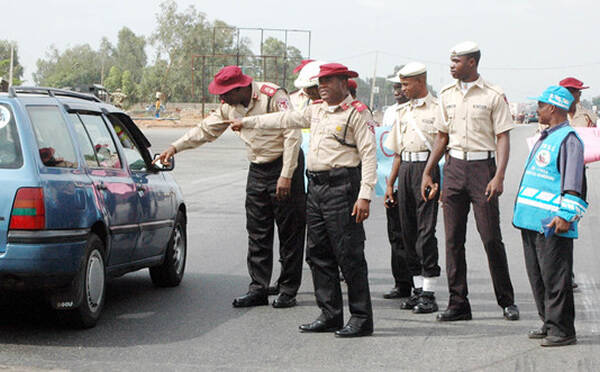
To enhance safety enforcement, the FRSC announced that patrol teams have been deployed nationwide to monitor compliance with traffic regulations and respond swiftly to emergencies. The presence of these teams is intended to deter reckless driving and provide immediate assistance in the event of accidents.
The Corps also appealed for public cooperation, urging motorists to adhere strictly to traffic rules and respect the authority of road safety officials. According to the agency, compliance is essential not only for individual safety but also for the overall efficiency of emergency response efforts during the rainy season.
Road safety experts have long identified human behaviour, particularly speeding and negligence, as a major contributor to traffic accidents in Nigeria. While environmental factors such as rain and poor infrastructure increase risks, analysts argue that many crashes could be prevented through responsible driving practices and stricter enforcement of existing regulations.
Data from previous years indicate that accident rates tend to rise during the rainy season, with incidents often resulting in higher casualties due to the severity of collisions on wet roads. The FRSC’s latest advisory is therefore seen as part of a broader effort to reduce preventable deaths and injuries through public awareness and enforcement.
Transport operators and commuters have welcomed the warning but emphasised the need for sustained government action to address underlying issues such as road maintenance and infrastructure development. Many argue that while driver behaviour is critical, systemic challenges must also be tackled to achieve lasting improvements in road safety.
For everyday motorists, the message from authorities is clear: the rainy season demands a shift in driving habits. Reduced speed, increased vigilance and adherence to safety guidelines are not merely recommendations but essential measures for survival on Nigeria’s roads during this period.
As rainfall intensifies across the country in the coming months, the effectiveness of these warnings will largely depend on public compliance and the ability of enforcement agencies to maintain a visible and proactive presence on the roads. The stakes remain high, with lives, livelihoods and national productivity all tied to the safety of the country’s transport networks.
📩 Stone Reporters News | 🌍 stonereportersnews.com
✉️ info@stonereportersnews.com | 📘 Facebook: Stone Reporters News | 🐦 X (Twitter): @StoneReportNew | 📸 Instagram: @stonereportersnews
Add comment
Comments