

Reported by: Ijeoma G | Edited by: Oravbiere Osayomore Promise.
A wave of anger and uncertainty has swept through Nasarawa State following a protest by traders who say their shops are being forcefully taken over in what they describe as an unlawful and opaque process, raising broader concerns about property rights, governance, and economic survival in one of Nigeria’s growing commercial hubs.
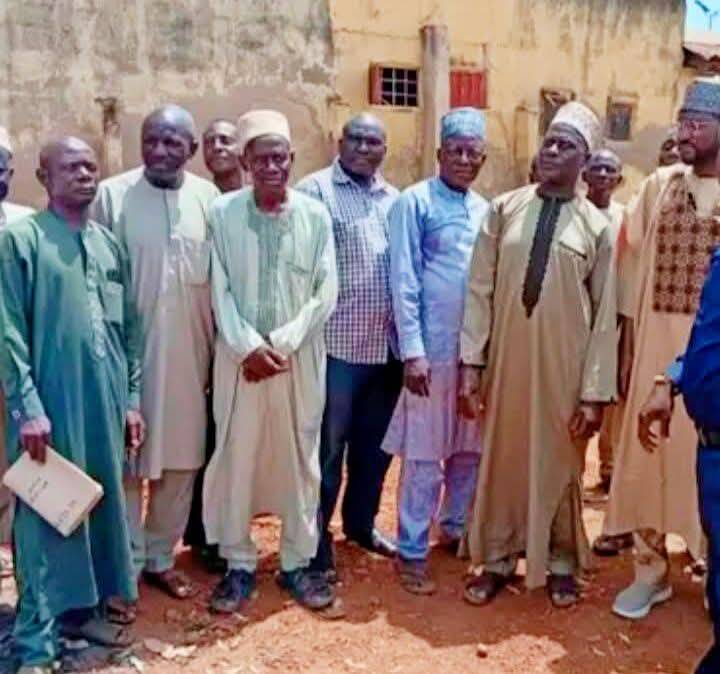
The demonstration, which drew large crowds of traders across key market areas, was triggered by allegations that certain individuals, allegedly backed by authorities, are attempting to seize commercial spaces without due legal process. Protesters accused those involved of issuing abrupt directives, locking shops, and threatening eviction without proper notice, compensation, or engagement.
At the center of the crisis is a deep mistrust between traders and those said to be behind the takeover attempts. Many of the affected individuals claim they have occupied their shops for years, in some cases inheriting them from family members. For them, the shops are not just business locations but long-standing economic lifelines built over decades.
Eyewitness accounts from the protest describe scenes of frustration as traders blocked roads, carried placards, and demanded immediate intervention from the government. While the protest remained largely peaceful, it significantly disrupted movement and heightened tension in the affected areas.
Though official details surrounding the Nasarawa dispute remain limited, similar patterns emerging from other parts of Nigeria provide insight into the kind of grievances fueling such protests. In a recent investigative report on a separate market dispute in Lagos, traders alleged that redevelopment projects were used as a pretext to displace them and impose new financial burdens.
In that case, traders reported that hundreds of shops were demolished and replaced under a reconstruction plan, with existing occupants required to pay millions of naira to reclaim their spaces. Those unable to meet the financial demands reportedly lost their shops entirely, with some forced to sell at undervalued prices or exit the market altogether.
Such experiences mirror the fears now being expressed in Nasarawa State. Protesters there argue that what is unfolding may follow a similar trajectory, where original occupants are gradually pushed out under administrative or commercial pretexts. The lack of transparency, they say, has made it difficult to verify ownership claims or understand the legal basis for the alleged takeovers.
Economic analysts note that markets in Nigeria often operate within complex frameworks of informal agreements, local authority oversight, and evolving urban development policies. This complexity can create vulnerabilities, especially when land values rise or redevelopment projects are introduced. In such situations, traders without formal documentation or legal backing may find themselves at risk.
The Nasarawa traders insist, however, that even within such complexities, the rule of law must prevail. They argue that any attempt to reassign or reclaim commercial property must follow clear legal procedures, including proper notice, documentation, and where applicable, compensation or relocation support.
Beyond the legal arguments, the human impact of the crisis is becoming increasingly evident. Many traders at the protest spoke of financial strain, with some saying they had taken loans or invested life savings into their businesses. The prospect of sudden displacement, they say, could push families into hardship and deepen poverty levels in the community.
The protest has also drawn attention to the broader issue of market governance in Nigeria, where disputes between traders, market leaders, and government authorities are not uncommon. In several instances across the country, disagreements over rent increases, redevelopment plans, and ownership rights have led to protests, closures, and legal battles.
In one recent case outside Nasarawa, traders accused market leaders of “hijacking” shops during a redevelopment process, alleging that additional units created during reconstruction were allocated to new occupants while original owners struggled to regain access. These patterns have reinforced fears among traders nationwide that similar tactics could be replicated elsewhere.
For authorities in Nasarawa State, the situation presents both a governance challenge and a test of public trust. While no comprehensive official statement has been issued at the time of reporting, pressure is mounting for the government to clarify the status of the disputed properties and address the allegations raised by the traders.
Security agencies have so far maintained a presence around the protest areas to prevent escalation, but community leaders warn that prolonged silence or inaction could worsen tensions. Calls for dialogue are growing louder, with stakeholders urging all parties to come to the negotiating table.
Legal practitioners observing the situation emphasize that property disputes of this nature must be resolved through established judicial or administrative channels. They warn that any perception of arbitrary action could undermine confidence in the legal system and discourage investment in local commerce.
For now, the traders remain resolute. Many have vowed to continue their protests until their shops are secured and their concerns addressed. Some are also considering legal action, signaling that the dispute could extend beyond the streets into the courts.
As events continue to unfold, the Nasarawa market crisis highlights a recurring dilemma in Nigeria’s urban and economic development: how to balance modernization and investment with the rights and protections of ordinary citizens. For the traders at the heart of the dispute, the issue is immediate and deeply personal, defined not by policy debates but by the daily struggle to sustain their businesses and livelihoods.
The coming days will likely determine whether the situation de-escalates through dialogue or intensifies into a prolonged conflict. What remains clear is that the outcome will carry significant implications, not only for those directly affected but also for broader questions of justice, economic stability, and governance in Nasarawa State.
📩 Stone Reporters News | 🌍 stonereportersnews.com
✉️ info@stonereportersnews.com | 📘 Facebook: Stone Reporters News | 🐦 X (Twitter): @StoneReportNew | 📸 Instagram: @stonereportersnews
Add comment
Comments