

Reported by: Oahimire Omone Precious | Edited by: Oravbiere Osayomore Promise.
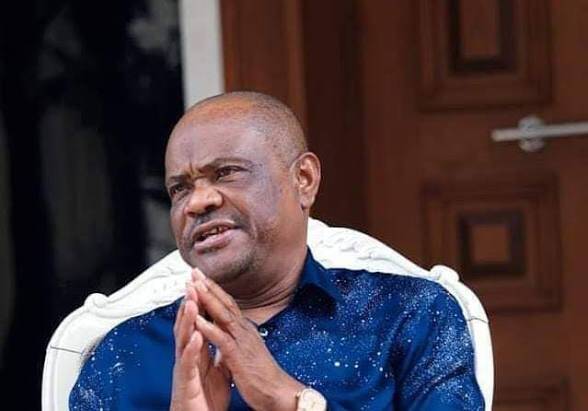
Nigeria’s Federal Capital Territory is in the grip of a severe water shortage that has forced the iconic Transcorp Hilton Abuja, a five-star hotel known for hosting presidents and international dignitaries, to distribute buckets of water to guests accompanied by apology notes, as public supply has failed across multiple districts. The disruption, which began without warning, has affected major residential and commercial areas including Gwarinpa, Wuse, Garki, Apo, and surrounding communities. FCT Minister Nyesom Wike has attributed the crisis to a major pipeline damaged by a private developer during ongoing rehabilitation and construction work, though power issues at the Lower Usuma Dam have also contributed to the worsening situation. Wike, speaking during an inspection of the damaged infrastructure, insisted that the government was not at fault. “It is not our fault; it is the fault of a private developer, but we have no excuse not to restore it,” he said. The Minister vowed that sanctions would be imposed on the developer responsible and appealed for public patience as the Water Board worked tirelessly to restore supply.
The situation at Transcorp Hilton Abuja has become a stark symbol of the capital’s infrastructural collapse. The hotel, which charges an average of ₦500,000 per night for a standard room, has been forced to provide guests with buckets of water as the public water supply remains unavailable. Staff have been distributing apology notes alongside the buckets, acknowledging the inconvenience while assuring guests that repairs are ongoing. The scene of a five-star hotel resorting to such measures has drawn disbelief and ridicule on social media, with users expressing shock that Nigeria’s capital could experience such a basic service failure in 2026. One user wrote, “This is such a crazy sentence to read and write about the federal capital territory of Nigeria in 2026. What do you mean there’s no water in Abuja.” Another posted, “Transcorp Hilton guests are being given buckets of water as Abuja water scarcity worsens.”
The water crisis has affected both luxury establishments and ordinary residents, with many households and businesses now relying on boreholes, water vendors, and other alternatives. In some areas, the cost of water from private vendors has already begun to rise, adding to the economic burden on residents already grappling with inflation and high living costs. The FCT Water Board has confirmed that repairs are underway, but as of April 22, 2026, the crisis persists with no clear timeline for full restoration. The board has deployed teams to assess the damage to the pipeline, which Wike described as a “major artery” supplying water to the capital’s central districts. The pipeline was reportedly damaged by a private developer conducting rehabilitation work near the Lower Usuma Dam, one of Abuja’s primary water sources.
The timing of the crisis has added to the frustration. Abuja residents have complained that the shortage came without prior warning, leaving many unprepared and scrambling for alternatives. Social media has been flooded with complaints, with some users calling on Wike to take more decisive action. “Minister Wike has remained indifferent about the water scarcity in Abuja. Now, Transcorp Hilton, a 5-star hotel is sharing water to guests with buckets,” one user wrote. Others have questioned the government’s oversight of construction activities, arguing that developers should not be allowed to damage critical infrastructure without facing immediate consequences. Wike has promised that sanctions will be imposed, but he has not provided details on what those sanctions might entail or whether the developer has been identified.
The crisis has also raised broader questions about the resilience of Abuja’s water infrastructure. The Lower Usuma Dam, which supplies a significant portion of the capital’s water, has faced repeated challenges in recent years, including siltation, reduced water levels due to low rainfall, and technical issues at the water treatment plant. The Federal Government has invested in rehabilitation projects, including the construction of a new water treatment plant, but progress has been slow. The current pipeline damage has exposed the vulnerability of a system that relies on a single major artery to supply water to millions of residents. Critics have called for the government to invest in backup systems and alternative water sources to prevent future crises.
The FCT Water Board has assured residents that repairs are ongoing and that water supply will be restored as soon as possible. However, the board has not provided a specific timeline, and residents remain skeptical given the lack of prior communication about the shortage. In the meantime, the Transcorp Hilton continues to manage the situation with buckets and apologies, a surreal scene that has captured the nation’s attention. The hotel has not issued an official statement, but staff have been instructed to be courteous and accommodating to guests who are understandably frustrated by the lack of basic amenities.
The water crisis in Abuja is a reminder that even the capital of Africa’s largest economy is not immune to infrastructure failures. The sight of a five-star hotel handing out buckets of water to guests is a powerful image of a system under strain. For now, residents and visitors alike can only wait and hope that the repairs are completed quickly and that lessons are learned to prevent a recurrence. Wike has promised that the government will hold the developer accountable, but for the thousands of residents and hotel guests without water, accountability is less important than a simple, reliable supply of clean water. Until that is restored, the buckets will continue to be a symbol of Abuja’s struggle.
📩 Stone Reporters News | 🌍 stonereportersnews.com
✉️ info@stonereportersnews.com | 📘 Facebook: Stone Reporters News | 🐦 X (Twitter): @StoneReportNew | 📸 Instagram: @stonereportersnews
Add comment
Comments