

Reported by: Ijeoma .G | Edited by: Henry Owen
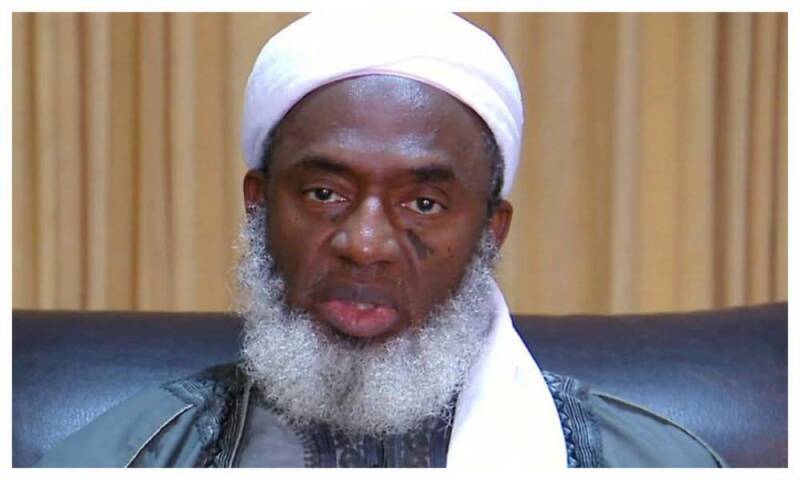
Prominent Nigerian Islamic cleric, Ahmad Abubakar Mahmoud Gumi, has denied allegations suggesting that he made statements in support of banditry, insisting that his comments on insecurity have been repeatedly misrepresented by sections of the media and online commentators.
In a statement issued on Saturday, May 23, 2026, and posted on his verified Facebook page, the cleric said he had observed that several of his past interviews on insecurity and armed banditry were being selectively quoted and distorted in ways that removed their original context. He argued that this practice had led to widespread misunderstanding of his position on Nigeria’s ongoing security challenges.
Gumi stated that individuals and groups sharing such interpretations were, in his view, driven by ethnic bias, prejudice, and sectional interests. He further alleged that some media actors and online content creators had relied on sensational headlines and shortened video clips designed to attract public attention, which he said often came at the expense of accuracy and balance.
The cleric has remained a controversial but influential figure in Nigeria’s public discourse on insecurity, particularly for his consistent advocacy of dialogue-based approaches to engaging armed groups. His position has generated both strong support and criticism from policymakers, security analysts, and members of the public, reflecting wider disagreements over how best to address armed violence across parts of the country.
Nigeria continues to grapple with complex security threats, including banditry, kidnapping, and insurgency, particularly in the northwestern and northeastern regions. These challenges have contributed to significant civilian displacement, humanitarian pressure, and ongoing debates over the effectiveness of military and non-military responses.
In recent years, public communication around insecurity has become increasingly sensitive, with analysts noting that short video clips, edited interviews, and viral social media posts often reshape how statements by public figures are understood. This has led to repeated disputes over context and interpretation, particularly in discussions involving conflict resolution strategies.
Public reactions to Gumi’s comments have remained sharply divided. While some stakeholders argue that dialogue and engagement with non-state armed actors may help reduce violence, others maintain that such approaches risk legitimising criminal groups and undermining state authority.
In his latest clarification, the cleric reiterated that his intention has always been to promote peacebuilding and encourage constructive engagement aimed at reducing violence. He urged the public to rely on full interview recordings and verified transcripts rather than isolated excerpts circulating online.
He also stressed that his remarks on insecurity have consistently been made within broader discussions about conflict resolution in northern Nigeria, where armed violence, rural insecurity, and displacement continue to affect communities.
Observers of Nigeria’s media environment note that the rapid spread of information on digital platforms has intensified challenges around accuracy and context, especially when dealing with politically and emotionally sensitive subjects. Experts in communication and media ethics have repeatedly called for improved verification practices and greater public awareness of how edited content can alter meaning.
The latest statement adds to ongoing national debates about how public figures’ remarks are interpreted and disseminated in the digital age, particularly in relation to security policy discussions. It also highlights the growing tension between fast-moving online narratives and the need for careful, contextual reporting in matters of national importance.
As discussions around insecurity continue, the cleric’s remarks underscore broader concerns about misinformation, media responsibility, and the role of public discourse in shaping perceptions of conflict and governance in Nigeria.
📩 Stone Reporters News | 🌍 stonereportersnews.com
✉️ info@stonereportersnews.com | 📘 Facebook: Stone Reporters News | 🐦 X (Twitter): @StoneReportNew | 📸 Instagram: @stonereportersnews
Add comment
Comments