

Reported by: Oahimire Omone Precious | Edited by: Oravbiere Osayomore Promise.
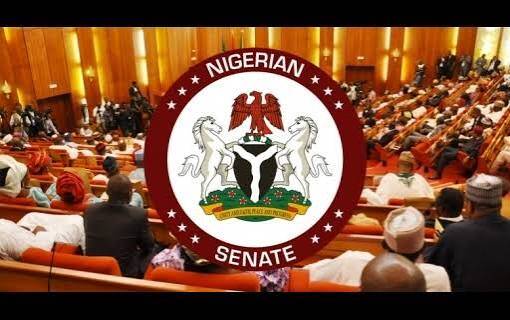
ABUJA, Nigeria – The Nigerian Senate has unanimously passed for second reading two landmark bills that would significantly expand the bench of the Court of Appeal and the Federal High Court, in a decisive move to decongest the judiciary and accelerate justice delivery across the country. The proposed legislation seeks to increase the number of judges of the Federal High Court from 70 to 90, while also raising the number of Justices of the Court of Appeal from 70 to 110.
The bills, sponsored by Senate Leader Senator Opeyemi Bamidele (APC, Ekiti Central), scaled the second reading hurdle during plenary on Wednesday, June 10, 2026, after receiving overwhelming support from lawmakers. Following the debate, Senate President Godswill Akpabio referred the bills to the Senator Adeniyi Adegbonmire-led Senate Committee on Judiciary, Human Rights and Legal Matters for further legislative action, with a directive to report back within four weeks.
Leading the debate, Senator Bamidele argued that the measures were an urgent response to the growing pressure on the nation’s judiciary, which he said is struggling to keep pace with Nigeria’s expanding legal landscape. He noted that case backlogs have ballooned, and delays in the dispensation of justice have become a threat to democracy. He explained that the Court of Appeal, established under Section 237 of the 1999 Constitution as the intermediary appellate court between trial courts and the Supreme Court, now faces a workload that has grown beyond its structural capacity. The surge in cases is driven by population growth, economic expansion, rising electoral litigation, constitutional disputes, and increasingly complex commercial transactions. The proposed amendment to the Court of Appeal Act also seeks to introduce provisions for virtual court proceedings.
Regarding the Federal High Court, Senator Bamidele highlighted its exclusive jurisdiction over key sectors including taxation, banking, aviation, telecommunications, anti-corruption cases, and terrorism financing. The volume and complexity of these cases have risen sharply, placing enormous pressure on the limited number of judicial officers. Increasing the number of judges, he argued, was necessary to reduce the backlog, improve access to justice, and enhance the prosecution of corruption and financial crimes.
The bills drew strong support across the chamber. Former Chairman of the Senate Committee on Judiciary and Human Rights, Senator Mohammed Tahir Monguno (Borno North), noted that the call for more judges had gone unanswered for too long, declaring that “justice delayed is justice denied.” Senator Osita Izunaso (Imo West) added that recent electoral laws have vested the Court of Appeal with original jurisdiction in some election matters, further compounding its responsibilities and justifying the expansion.
Outside the National Assembly, legal experts have also backed the move. The Nigerian Bar Association has long advocated for an increase in the number of judges to tackle the notorious sluggishness of the Nigerian judiciary, where cases frequently languish for decades. Senate President Godswill Akpabio underscored the economic implications, stating that faster resolution of commercial disputes would boost investor confidence in Nigeria’s economy. “Nigeria is not a very attractive destination for some investors and shippers because of delays in the dispensation of justice. All that will change with what we have done today,” Akpabio said.
If eventually passed into law and signed by President Bola Tinubu—who originally transmitted the judicial reform bills to the National Assembly—the measures would mark one of the most significant expansions of Nigeria’s federal judiciary in recent years. As the Senate Committee on Judiciary begins its legislative scrutiny, the legal community and the general public await the eventual outcome of a reform process that could reshape the landscape of justice in the country.
📩 Stone Reporters News | 🌍 stonereportersnews.com ✉️ info@stonereportersnews.com | 📘 Facebook: Stone Reporters News | 🐦 X (Twitter): @StoneReportNew | 📸 Instagram: @stonereportersnews
Add comment
Comments