

Reported by: Oahimire Omone Precious | Edited by: Oravbiere Osayomore Promise.
An endocrinologist, Dr Taiwo Opeyemi Alabi, has called on men to take charge of their prostate health by undergoing regular screening, as cases of the disease are increasingly being detected at advanced, often incurable stages. In a passionate appeal shared on his Instagram account on June 13, 2026, the specialist highlighted the alarming rise of prostate cancer in Nigeria and pointed to men’s tendency to neglect their health due to work and family responsibilities as a major contributor to late diagnoses. Prostate cancer, which begins in the prostate gland – a small organ in the male reproductive system that produces fluid for semen – is one of the most common cancers affecting men globally. While it can often be treated successfully when caught early, many cases in Nigeria are diagnosed only after the disease has spread, severely limiting treatment options.
In his Instagram post, Alabi expressed concern over the frequency with which prostate cancer is being discovered at advanced stages. “We are beginning to see prostate cancer at an alarming rate, more often than not at a stage that it is no longer curable,” he said. He attributed this troubling trend to the reality that men are “often too busy with work and caring for others while neglecting their own health.” The endocrinologist noted that the demands of providing for families, advancing careers, and fulfilling societal expectations often push men to ignore early warning signs or postpone routine medical checkups. By the time symptoms become impossible to ignore, the cancer may have progressed to a point where curative intervention is no longer feasible.
In a creative twist, Alabi appealed directly to women – whom he described as the “kind and supportive” drivers of breast cancer awareness – to extend their advocacy to prostate health. “I’m throwing this challenge to women to treat and help the men in their lives to get screened for prostate cancer,” he said. He explained that the prostate‑specific antigen (PSA) test, which measures the level of a protein produced by the prostate gland, is a simple blood test that takes less than a minute to complete in any medical laboratory. Yet, despite its convenience, uptake among Nigerian men remains low. Alabi urged women to take concrete action by facilitating screening for at least five men in their social circles. “At least five men in your ward, be it your husband, uncle, dad, your male children – every man in your ward above 40 years – help to get at least five of them screened for prostate cancer by doing the simple PSA test,” he said. He added that women could either pay for the test or simply provide encouragement, noting that the key was to overcome the inertia and fear that often prevent men from seeking care.
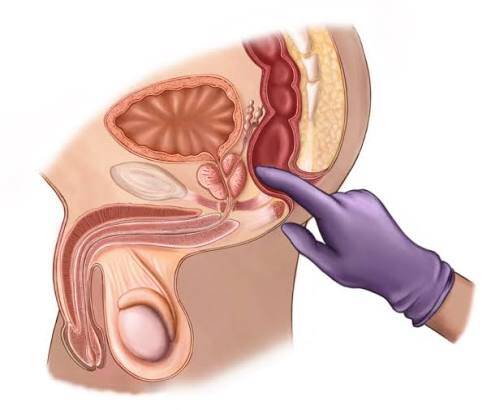
The PSA blood test is a widely used screening tool that detects elevated levels of prostate‑specific antigen, a protein produced by the prostate gland. While a high PSA level does not always indicate cancer – it can also be caused by benign prostate enlargement, inflammation, or infection – the test remains an effective method for identifying individuals who may need further evaluation. When combined with a digital rectal exam, the PSA test improves the accuracy of early detection. Major medical organisations generally recommend that men begin discussing prostate cancer screening with their healthcare providers around age 40 to 50, depending on risk factors such as family history and ethnicity. Black men, who are at higher risk of developing aggressive prostate cancer, are often advised to start screening earlier. The Federal Government, through the Ministry of Health, has recently rolled out nationwide free cancer screening programmes targeting breast, cervical and prostate cancers. These initiatives, however, depend on public awareness and participation. Alabi’s call underscores the need to bridge the gap between policy and practice by empowering communities to take ownership of preventive health.
Prostate cancer is the most common malignancy among Nigerian men and a leading cause of cancer‑related deaths. Late presentation remains a persistent challenge, with many patients seeking medical attention only after experiencing urinary obstruction, bone pain, or other advanced‑stage symptoms. Experts have repeatedly called for increased public education and routine screening to reverse this trend. Alabi’s message adds to a chorus of voices from the medical community urging a proactive rather than reactive approach to male reproductive health. The endocrinologist’s challenge to women is particularly significant, as women have historically played a central role in promoting breast and cervical cancer screening, often accompanying family members to clinics and reminding them of appointments. Alabi suggested that this same influence could be harnessed to encourage men to undergo PSA testing. “Let’s work together. Let’s encourage our men to get screened for prostate cancer and stop the scourge of prostate cancer in our society,” he concluded. By framing prostate cancer as a shared family concern rather than an individual man’s problem, the endocrinologist hopes to shift cultural attitudes and reduce the stigma that sometimes surrounds reproductive health discussions. As Nigeria continues to battle a rising cancer burden, simple measures such as routine PSA testing could save thousands of lives – if men are willing to take the first step.
📩 Stone Reporters News | 🌍 stonereportersnews.com ✉️ info@stonereportersnews.com | 📘 Facebook: Stone Reporters News | 🐦 X (Twitter): @StoneReportNew | 📸 Instagram: @stonereportersnews
Add comment
Comments