

Published by Oravbiere Osayomore Promise.
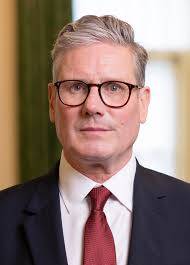
Prime Minister Keir Starmer has announced that the United Kingdom will ban children under the age of 16 from using a range of social media platforms, a landmark move that he described as “a big moment for our country”. The announcement, made at a Downing Street press conference on Monday, June 15, 2026, places Britain at the forefront of a global movement to tighten online safety for young people, following similar legislation passed in Australia in December 2025.
The ban will apply to major user-to-user platforms, including Snapchat, TikTok, Instagram, Facebook, and X (formerly Twitter). The government confirmed that messaging services such as WhatsApp and Signal are not intended to be included in the ban. The new rules, which will be brought to Parliament before Christmas and are expected to come into force in spring 2027, will also impose additional restrictions on younger users, including blocks on harmful functionalities such as livestreaming and on strangers being able to contact children. For those aged 16 and 17, these features will be turned off by default. The government has also announced it will consider further measures, such as overnight curfews and breaks on infinite scrolling for under-18s, with more details expected in July.
Starmer said he was not prepared to compromise on the safety of children and vowed to fight back if technology companies resist the changes. “How we keep kids safe online is one of the biggest debates of our time. As a dad, I know every parent wants their child to grow up safe and happy,” he said. “A full ban is the right choice.” The announcement followed a three-month public consultation that closed on May 26, 2026, which received 116,000 responses, making it the second-largest in British history. The vast majority of parents who responded backed a minimum age of 16 for social media access, with nine in ten parents supporting the government’s decisive action.
The ban has drawn sharp reactions. The Molly Rose Foundation, a campaign group set up in memory of a teenager who died after viewing harmful content online, warned that the ban could fail to tackle fundamental product safety risks and might leave parents with a false sense of security. Some campaigners have also argued that the ban could be counterproductive, driving young people towards unregulated sites and creating new risks. The United States embassy in London has expressed concerns about free speech and the compliance burden on American technology companies.
However, Culture Secretary Lisa Nandy insisted the government was not standing aside. “The tech companies have had more than enough time to get their own house in order,” she said. “We cannot stand aside and not act when we see very clearly that young people need help now.” As the new rules move towards implementation, Britain has drawn a line in the sand, sending a clear message to tech giants and parents alike that the safety of children will no longer be left to chance.
📩 Stone Reporters News | 🌍 stonereportersnews.com ✉️ info@stonereportersnews.com | 📘 Facebook: Stone Reporters News | 🐦 X (Twitter): @StoneReportNew | 📸 Instagram: @stonereportersnews
Add comment
Comments