

Reported by: Oahimire Omone Precious | Edited by: Oravbiere Osayomore Promise.
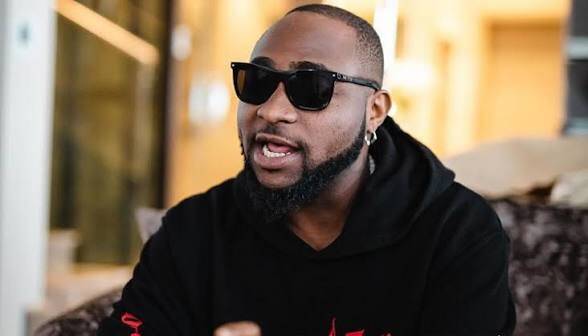
Afrobeats superstar David Adeleke, popularly known as Davido, has fired back at political praise singer Dauda Kahutu Rarara, insisting that Nigerians must not remain silent about the country’s worsening insecurity and that anyone who truly loves the nation should speak out rather than prioritise politics over truth. The exchange, which unfolded on social media on Wednesday, June 17, 2026, has drawn sharp reactions from across the country and reignited a fierce debate over the role of celebrities in national security discourse.
The controversy began on June 10, 2026, when Davido performed at the FIFA World Cup 2026 Countdown Concert in Los Angeles, United States. During the performance, the singer wore a customised black leather jacket bearing the bold inscription “BRING THEM HOME,” alongside green buttons carrying the names of 39 schoolchildren and seven teachers who were abducted on May 15, 2026, from three schools in Oriire Local Government Area of Oyo State. The abduction, which targeted Baptist Nursery and Primary School in Yawota, Community Grammar School, and L.A. Primary School in Ahoro‑Esinle, left a teacher dead and dozens of pupils and staff in captivity. As of mid‑June, the victims remained in the hands of their abductors, with security agencies struggling to secure their release.
Davido’s gesture, which drew praise from some political figures including former Anambra State Governor and Labour Party presidential candidate Peter Obi, was immediately condemned by Rarara, a prominent Hausa praise singer known for his political ties to the ruling All Progressives Congress. In a video posted on his verified Facebook page, Rarara described Davido’s action as “barbaric” and accused the Afrobeats star of embarrassing Nigeria on the international stage. “I do not usually reply or react to issues like this, but what Davido did was barbaric. In my opinion, Davido and those who share his way of thinking are only behaving foolishly,” Rarara said in the video. “How can you promote Ansaru terrorists or insecurity‑related issues to the whole world? How can you take a sensitive national security issue and project it to the world in a way that could damage the country’s image? What exactly do you stand to gain from doing that?”
Rarara further questioned Davido’s motives, suggesting that the action may have been politically motivated. He pointed to the fact that Davido’s uncle, Governor Ademola Adeleke of Osun State, is seeking re‑election on the Accord Party platform, while President Bola Tinubu is the candidate of the APC. “Is it because his uncle is contesting an election on Accord Party and Tinubu is in APC? Is that why insecurity must become a campaign tool? Anyone who campaigns with insecurity is insane, because he does not fully understand what it entails,” Rarara said. He also argued that Davido had displayed the names of the abducted victims without fully understanding the sensitive security dynamics surrounding the case. “Did Davido know the reason behind the abduction of those schoolchildren? Some terrorists were arrested. When efforts to secure their release failed, the kingpins kidnapped innocent people in an attempt to force the authorities to negotiate. The President and security agencies had vowed that the terrorists would not be released and that the children would be rescued. It was during this delicate period that Davido chose to embarrass us on a global stage,” he added.
Rarara’s criticism drew a swift and sharp response from Davido. Initially, the singer mocked Rarara on X with a brief post reading “Debidooo,” a remark widely interpreted as a playful reference to the Hausa pronunciation of his name. Rarara responded with “Kashiga taitayinka,” a Hausa expression meaning “be warned.” But the exchange did not end there. Davido followed up with a more detailed response, delivered in Hausa and later translated into English, in which he insisted that patriotism demands speaking out against insecurity rather than shielding political interests. “First and foremost, anyone who truly loves Nigeria should not remain silent about the insecurity troubling the country, nor should they prevent others from expressing their concerns about it,” Davido wrote. “A lack of compassion and putting personal interests or political loyalty above the welfare of the people is nothing to be proud of. Be patriotic and put your country first. Stop prioritising politics over the truth, and fear God in everything you do.”
The singer’s response made it clear that he viewed Rarara’s criticism not as a defence of national security but as a political defence of the Tinubu administration. Davido accused those who attack critics of insecurity of being more interested in protecting political interests than in addressing the suffering of ordinary Nigerians. He argued that silence in the face of violence and abduction is not an act of patriotism but a dereliction of civic duty. “Damn it, every Nigerian should not stay silent about the insecurity plaguing the nation, nor should they prevent others from voicing their concerns openly,” he said in a separate post. “Showing bias and prioritising personal or political interests, and putting personal desires above the community’s goals, is nothing to be proud of.”
The clash between the two entertainers has drawn widespread attention on social media, with Nigerians divided over the role of celebrities in political and security discourse. Supporters of Davido have praised him for using his global platform to draw attention to the plight of the abducted schoolchildren, many of whom have now spent over a month in captivity. They argue that the international spotlight could pressure Nigerian authorities to accelerate rescue efforts and prevent similar abductions in the future. Critics, however, have sided with Rarara, arguing that publicising security failures on the world stage could harm Nigeria’s image and complicate sensitive rescue operations. Some have also questioned whether Davido’s gesture was genuinely altruistic or politically motivated.
The abduction of the Oriire schoolchildren has become one of the most high‑profile security incidents in Nigeria in recent years. On May 15, 2026, armed bandits simultaneously attacked three schools in the Oriire Local Government Area, killing a teacher and abducting dozens of pupils and staff. The victims include children as young as two years old, and the attack has drawn comparisons to the 2014 Chibok schoolgirls’ abduction. The Oyo State Government has confirmed that the victims are being held in the vast Old Oyo National Park, a 2,500‑square‑kilometre expanse that has complicated rescue efforts. Governor Seyi Makinde has repeatedly assured the public that security agencies are pursuing every lead, but the victims remain in captivity as of mid‑June.
Davido’s use of the World Cup stage to highlight the crisis was not the first time a Nigerian entertainer has used a global platform to draw attention to domestic issues. Nigerian Afrobeats artists have increasingly used their international reach to comment on political and social matters, from the #EndSARS protests to the growing wave of insecurity across the country. However, the backlash from Rarara and others reflects a deep and persistent divide over the appropriate role of celebrities in national affairs, particularly when their actions intersect with sensitive security matters and partisan politics.
The exchange between Davido and Rarara has also raised broader questions about the relationship between entertainers and political power in Nigeria. Rarara, who has performed at APC events and been widely seen as a supporter of President Tinubu, has been accused by critics of using his platform to defend the administration against legitimate criticism. Davido, whose uncle is a governor and whose father is a prominent businessman, has faced allegations of political opportunism. Neither accusation has been substantiated, but the tension between the two figures reflects a growing polarisation in Nigerian public life, where nearly every issue is quickly refracted through the prism of partisan loyalty.
As of Wednesday evening, the exchange had not been resolved, with both men standing by their positions. Rarara has not issued a further statement since his initial response, while Davido has continued to engage with supporters on social media. The debate over whether Nigerians should speak out about insecurity or protect the country’s image abroad is likely to continue, particularly as the 2027 election cycle approaches and political tensions intensify. For the families of the abducted Oriire children, however, the debate is not about politics or celebrity. It is about whether their loved ones will ever come home.
📩 Stone Reporters News | 🌍 stonereportersnews.com ✉️ info@stonereportersnews.com | 📘 Facebook: Stone Reporters News | 🐦 X (Twitter): @StoneReportNew | 📸 Instagram: @stonereportersnews
Add comment
Comments