

Reported by: Ijeoma G | Edited by: Oravbiere Osayomore Promise.
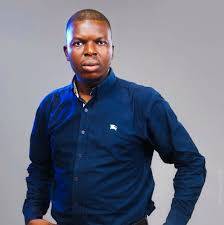
The media office of Peter Obi, presidential candidate of the Nigeria Democratic Congress (NDC), has strongly faulted the Presidency's response to Obi's call for President Bola Tinubu to resign, insisting that true leadership is defined by accountability rather than attacks on critics. In a statement issued on Tuesday by Idris Zekeri Jnr, spokesperson for the Peter Obi Media Reach (POMR), the group accused the Presidency of failing to engage with the substance of Obi's concerns and instead resorting to what it described as "insults, distortions, and self-congratulatory rhetoric". The rebuke followed a statement by Presidential Spokesperson Bayo Onanuga, who had dismissed Obi's call as "childish" and "hollow," arguing that Nigeria operates a presidential system fundamentally different from the British parliamentary model. POMR maintained that Obi's intervention was neither personal nor partisan but a reflection on leadership and accountability, adding that the Presidency's focus on the weekend's election results and the debate over systems of government amounted to "shadow chasing" rather than addressing pressing national challenges.
The controversy began on Monday when Obi formally called on President Tinubu to resign over what he described as "monumental failure in governance". In a statement, Obi said he was prompted to reflect on leadership accountability after listening to the resignation speech of British Prime Minister Keir Starmer, who stepped down amid public dissatisfaction over economic challenges and unmet campaign promises. Obi argued that successful democracies are sustained by a culture of responsibility, where leaders accept the consequences of policy failures and declining public confidence. He drew parallels with Nigeria's political history, recalling that Tinubu, while in opposition before the 2015 elections, had repeatedly called on former President Goodluck Jonathan to resign over insecurity and economic hardship, particularly during the fuel subsidy protests and the abduction of the Chibok schoolgirls. Obi also referenced promises made by Tinubu during the 2023 presidential campaign, including commitments to improve electricity supply, strengthen security, fight corruption, and enhance the welfare of Nigerians. "Electricity supply remains unreliable, insecurity has intensified in many parts of the country, kidnappings continue unabated, and economic hardship has deepened," Obi stated, adding that critical sectors such as infrastructure, transportation, and anti-corruption efforts had also witnessed significant setbacks.
In its response, the Presidency dismissed Obi's demand as lacking constitutional understanding. Special Adviser to the President on Media and Public Communication, Sunday Dare, described Obi's comments as "the outburst of a politician" unable to distinguish between political opposition and constitutional reality. Dare argued that Nigeria operates a constitutional presidential democracy where presidents are elected for fixed terms and can only leave office through elections, constitutional processes, incapacity, or the expiration of their mandate. He accused Obi of embracing pessimism, alarmism, and repeated declarations of national collapse, adding that the former Anambra governor had moved away from the measured image that once earned him admiration among some Nigerians. "His politics has become a politics of selective outrage," Dare said, arguing that while Obi frequently criticises the administration over national challenges, he allegedly ignores progress in areas such as economic growth, foreign reserves, revenue improvement, infrastructure, and security operations. Dare further contended that Obi's call had weakened his own presidential credentials, stating: "By calling for President Tinubu's resignation, Peter Obi has done more damage to his own presidential credentials than any political opponent could have done".
POMR, however, rejected the Presidency's framing, insisting that Obi's comments were not about whether Nigeria operates a presidential or parliamentary system but about a fundamental principle of leadership: accepting responsibility for outcomes. The media office cited examples from several presidential systems where leaders had resigned under various circumstances, including former United States President Richard Nixon, former Brazilian President Fernando Collor de Mello, former Peruvian President Pedro Pablo Kuczynski, and former Argentine President Fernando de la Rúa. POMR also accused Tinubu of applying double standards, recalling that he had previously called for Jonathan's resignation while Nigeria operated the same presidential system. "Leadership standards should not change depending on who occupies the office," the statement added.
The media office painted a grim picture of the current state of the nation, claiming that poverty levels had risen significantly under Tinubu's administration, with the number of Nigerians living below the poverty line allegedly rising from 87 million to 140 million. It argued that public debt had grown to unprecedented levels without a corresponding improvement in living conditions. Businesses were shutting down, manufacturers faced unbearable production costs, and warehouses were filled with unsold goods because of weak consumer demand, the statement said. While acknowledging government claims of increased revenue, gross domestic product growth, and stock market gains, POMR argued that such indicators had not translated into tangible improvements in the welfare of ordinary Nigerians. "Economic growth that does not translate into improved living standards is merely statistical growth. The true measure of economic success is not the performance of the stock market but the well-being of the average citizen," it stated. On security, POMR accused the administration of focusing on isolated successes while overlooking the growing spread of insecurity across the country, including kidnapping, banditry, violent crime, and attacks on communities.
POMR also rejected attempts by the Presidency to question Obi's record as former governor of Anambra State, insisting that his achievements in governance, healthcare, education, and infrastructure remain verifiable. The media office further criticised the Presidency's reliance on the outcome of recent elections as evidence of public support for the administration, alleging that the polls were flawed and warning that continued electoral shortcomings could undermine public confidence in democracy. "Rather than expend energy attacking critics, the government should focus on addressing the urgent issues confronting Nigerians: unity, insecurity, unemployment, poverty, power shortages, declining productivity, and the erosion of public confidence in governance," the statement concluded. "Nigeria deserves leadership that listens more than it lectures, serves more than it celebrates itself, and accepts responsibility rather than constantly searching for excuses".
📩 Stone Reporters News | 🌍 stonereportersnews.com
✉️ info@stonereportersnews.com | 📘 Facebook: Stone Reporters News | 🐦 X (Twitter): @StoneReportNew | 📸 Instagram: @stonereportersnews
Add comment
Comments