

Reported by: Ijeoma G | Edited by: Oravbiere Osayomore Promise.
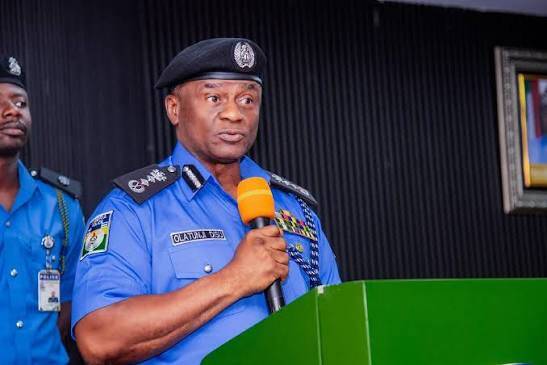
The Inspector-General of Police, Olatunji Disu, has issued a sweeping directive banning all serving officers and men of the Nigeria Police Force from engaging in unauthorised social media activities, warning that violators risk dismissal, demotion, salary forfeiture, and possible prosecution. The order, contained in an internal circular dated June 22, 2026, and marked "Restricted – For Official Use Only," prohibits officers from creating, publishing, or sharing videos, photographs, skits, live streams, or any other form of content on platforms such as TikTok, Instagram, Facebook, YouTube, and similar channels while in police uniform or within police premises without written approval.
The directive, referenced SB:4065/IGP.SEC/FHQ/ABJ/VOL.1/11, was issued from the Office of the Inspector-General of Police at the Force Headquarters, Louis Edet House, Abuja, and addressed to all Heads of Departments, Zonal Assistant Inspectors-General of Police, State Commissioners of Police, the FCT Commissioner of Police, the Commandant of the Police Mobile Force, and commanders of formations and units nationwide. In the circular, the police chief expressed grave concern over what he described as the "growing and most disturbing trend" of police personnel using social media platforms without official authorisation.
According to the document, some officers have turned social media into platforms for entertainment, self-promotion, and commercial activities, producing and posting videos of themselves in police uniform for personal promotion and financial gain. The circular also accused some personnel of operating social media accounts under real names or pseudonyms in ways capable of bringing the Force into disrepute, publicly commenting on official police operations and internal affairs without authorisation, and aspiring to become full-time content creators while still serving in the Force.
Under the new directive, officers are now prohibited from posting videos, photographs, skits, live streams, or any other form of content in police uniform or within police facilities without written approval from the Inspector-General of Police or an authorised representative. They are also barred from operating personal or anonymous social media accounts for entertainment, content creation, brand promotion, or commercial purposes where such activities reference or exploit their status as police officers. The ban further extends to public commentary on police operations, investigations, transfers, promotions, disciplinary matters, and other official issues. Officers have equally been warned against accepting sponsorships, endorsement deals, monetisation arrangements, or business partnerships tied to their identity as members of the Force. The directive also prohibits the release of classified or sensitive information related to police operations, deployments, personnel records, and operational strategies.
The IGP warned that any officer found violating the directive would face severe disciplinary measures, including immediate interdiction, forfeiture of salary during disciplinary proceedings, reduction in rank, dismissal from service, and possible prosecution under relevant criminal or cybercrime laws. The circular reminded officers that their conduct is already governed by several laws and policies, including the Nigeria Police Act 2020, the Nigeria Police Force Social Media Policy, Police Regulations, Police Service Commission disciplinary regulations, and the Cybercrime Act.
In a major development, the IGP introduced the principle of vicarious liability, making senior officers accountable for violations committed by personnel under their supervision. Commissioners of Police, Assistant Commissioners, Divisional Police Officers, and other supervisory officers are expected to actively monitor the online activities of officers under their command. Any supervising officer found negligent in detecting or reporting violations may also face disciplinary action. Police commissioners have been directed to immediately communicate the new policy to officers in their commands, with internal directives expected within seven days. Every officer must sign an acknowledgement confirming receipt and understanding of the directive, and compliance reports are expected within 14 days.
The Force Intelligence Bureau and the Professional Standards Department, also known as X-Squad, have been tasked with monitoring social media platforms to identify violators. Officers currently operating content creation accounts linked to their police identity have been given 14 days to either deactivate such accounts or remove all connections to the Nigeria Police Force. The directive takes immediate effect nationwide as part of efforts to restore discipline, professionalism, and public trust within the police force.
The directive comes less than a month after Disu cautioned content creators and members of the public against the indiscriminate recording and circulation of police-related videos. Speaking during an interactive session with crime correspondents in Abuja on May 31, 2026, the police chief said the recording and online publication of police operations without proper context could undermine security efforts and demoralise officers. The latest order also echoes a similar policy introduced by former Inspector-General of Police Mohammed Adamu on June 17, 2020, under which police personnel were prohibited from using photographs of themselves in uniform on personal social media accounts and from engaging in posts or discussions considered political, religious, or capable of bringing the force into disrepute.
Although the new Force Public Relations Officer, CSP Anietie Okokon Edem Iniedu, could not be reached for comments on the new directive, a senior officer at the Force Headquarters, Abuja, confirmed the signal, stating: "The signal is true and the contents are very clear to all personnel of the Nigeria Police Force. It is our internal affair". The directive signals a renewed effort by the police leadership to tighten control over officers' online activities amid the growing influence of social media in public discourse and law enforcement accountability. For the thousands of Nigerian police officers who have embraced social media as a platform for expression and income, the message is unmistakable: the uniform comes with restrictions, and those who violate them will face the full weight of disciplinary action.
📩 Stone Reporters News | 🌍 stonereportersnews.com
✉️ info@stonereportersnews.com | 📘 Facebook: Stone Reporters News | 🐦 X (Twitter): @StoneReportNew | 📸 Instagram: @stonereportersnews
Add comment
Comments