

Reported by: Ijeoma G | Edited by: Oravbiere Osayomore Promise.
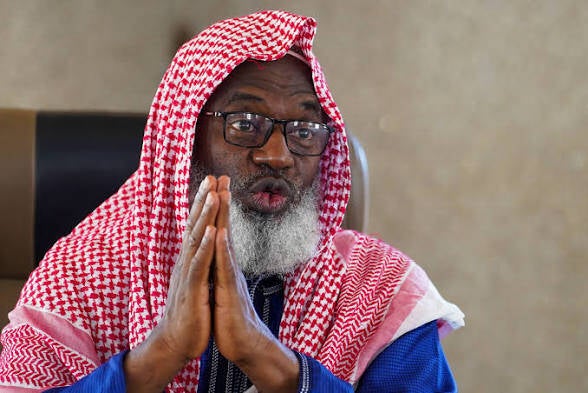
Kaduna-based Islamic scholar Sheikh Ahmad Gumi has ignited a fresh debate over the soul of Nigeria's leadership, declaring that Islamic scholars possess the moral and spiritual grounding to govern more effectively than professional politicians. In an interview with the BBC Hausa Service monitored on August 9, 2026, the outspoken cleric argued that the Ulama's religious knowledge, moral training, and fear of God make them superior candidates for public office. "Islamic scholars can bring stronger moral values and a greater sense of responsibility to governance because of their knowledge of Islamic teachings and fear of God," Gumi said. He insisted that "Islam does not prevent an Islamic scholar from participating in politics or occupying a political office".
The cleric, who has previously drawn controversy for his engagements with bandits and his allegations of foreign involvement in Nigeria's insecurity, framed his call as a challenge to the political status quo. He urged Islamic scholars across Nigeria to abandon the sidelines and actively seek elective and appointive positions, arguing that political leadership should not be regarded as "the exclusive responsibility of professional politicians". "Islamic scholars, like other citizens, also have a role to play in providing leadership and contributing to the development of society," he said.
Gumi's intervention comes at a time when the role of clerics in Nigerian politics has become a subject of intense debate. The emergence of former Minister of Communications and Digital Economy Sheikh Isa Ali Ibrahim Pantami as the Peoples Democratic Party governorship candidate for Gombe State, and Sokoto-based cleric Sheikh Bashir Ahmad Sani's declaration of intent to contest the Sokoto governorship in February 2026, has divided opinion among Muslims, particularly in northern Nigeria. Gumi aligned himself firmly with those who believe that meaningful national transformation cannot be achieved from outside government. "A religious scholar who gets involved in politics and bears its rigours is better than one who sits on a prayer mat, offering prayers for politicians," he wrote in a separate Facebook post on August 3.
Opponents of clerical involvement in politics have argued that the political arena is too divisive and morally compromised for religious leaders, and that partisan activity exposes scholars to insults, ridicule and defamation, potentially undermining their moral authority. Gumi, however, rejected this view, maintaining that leaders guided by faith and moral principles would be "more conscious of their duties to the people". He argued that the Ulama have responsibilities that extend beyond traditional religious roles, including contributing to the development and leadership of society. The cleric's remarks have drawn sharp reactions across social media and political circles. Supporters have hailed his call as a necessary intervention in a political system widely perceived as corrupt and self-serving, while critics have warned that injecting religious authority into partisan politics risks deepening Nigeria's already volatile religious and ethnic divisions.
The debate over Gumi's latest pronouncements is likely to intensify as the 2027 general elections approach. With several Islamic scholars already positioning themselves for political office, his endorsement of clerical participation in governance adds a powerful voice to one side of a growing rift within Nigeria's Muslim community. Whether his vision of faith-driven leadership will resonate with voters or be dismissed as the idealism of a controversial figure remains to be seen. What is certain is that Gumi has drawn a line in the sand: the Ulama, he insists, must stop praying from the sidelines and start leading from the front.
📩 Stone Reporters News | 🌍 stonereportersnews.com
✉️ info@stonereportersnews.com | 📘 Facebook: Stone Reporters News | 🐦 X (Twitter): @StoneReportNew | 📸 Instagram: @stonereportersnews
Add comment
Comments