

Reported by: Oahimire Omone Precious | Edited by: Oravbiere Osayomore Promise.
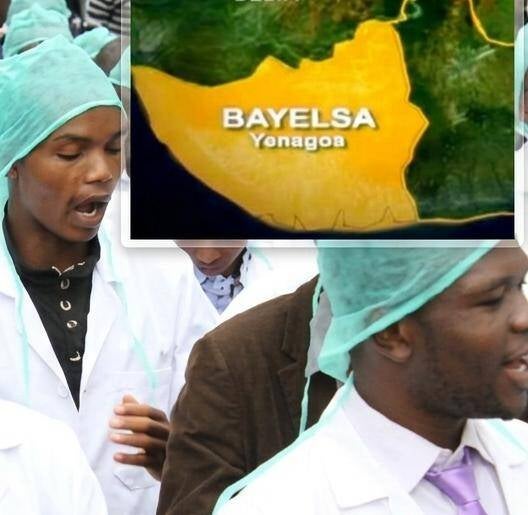
The Bayelsa State Ministry of Health has issued a stark warning over the rising burden of hypertension in the state, revealing that a significant number of residents do not regularly check their blood pressure and are often diagnosed only after complications have already developed. The Commissioner for Health, Professor Seiyefa Brisibe, made the disclosure on Thursday, August 13, 2026, while presenting the ministry's mid-year scorecard to journalists in Yenagoa, the state capital. The data, drawn from a previous hypertension and diabetes screening exercise, showed a prevalence rate of approximately 10 to 15 per cent among those screened, with the highest rates recorded among older residents and males.
Professor Brisibe said the figures should serve as a wake-up call for both residents and health authorities, particularly because hypertension can remain undetected for long periods, silently damaging the body's organs before any symptoms emerge. "What we discovered is that the prevalence is about 10 to 15 per cent, most especially for those above 45, 50, and is a little bit higher among males," he told journalists. The commissioner also expressed concern over the poor health-seeking behaviour of many Bayelsans, noting that a large proportion of the population does not have the habit of checking their blood pressure or blood sugar levels regularly. He identified late detection and denial among patients as major obstacles to effectively tackling hypertension and diabetes in the state. "A lot of Bayelsans do not have the habit of checking their blood pressure or their sugar level at all," he lamented.
To address the growing crisis, the ministry has begun integrating hypertension screening into routine healthcare services across the state. Residents can now approach designated emergency ambulances in Yenagoa to have their blood pressure checked free of charge. The commissioner also disclosed that the service would be extended to riverine communities through the state's boat ambulance system, a critical intervention given Bayelsa's vast network of waterways and the difficulty many residents face in accessing healthcare facilities. He urged residents, particularly those above 40 years of age, to make regular blood pressure and glucose checks a priority. "Please, regularly check your blood pressure, regularly check your glucose level, most especially for those above 40," he advised.
For those already diagnosed with non-communicable diseases, the commissioner stressed the importance of adhering to prescribed medications, following medical advice, eating healthy meals, and exercising regularly. He also announced that the state government would intensify public awareness campaigns through radio jingles and billboards, in collaboration with the Ministry of Information. The initiative is aimed at educating the public on the dangers of hypertension and the importance of early detection and lifestyle modification. The screening figures from the ministry's outreach exercise should not automatically be interpreted as a population-wide prevalence estimate for the state, according to an editor's note accompanying the report.
Bayelsa State has long grappled with a high burden of non-communicable diseases. Previous studies have shown that over 68 per cent of admitted cases in tertiary hospitals in the state are NCD-related, with hypertension and diabetes topping the list. In some rural communities, prevalence rates have been recorded as high as 50 per cent. The state's healthcare system is also under significant strain, with one doctor serving approximately 12,000 people, a ratio far below the World Health Organisation's recommended standard. The government's move to integrate hypertension screening into routine services and expand access through mobile and boat ambulances is a welcome step, but health advocates warn that much more needs to be done to address the underlying causes of the disease, including poor diet, sedentary lifestyles, and environmental factors linked to oil and gas activities in the Niger Delta.
The ministry's alarm over rising hypertension cases comes at a time when the state government has been investing in healthcare infrastructure, including the establishment of a dialysis centre for the treatment of kidney failure and other NCD-related conditions. However, experts argue that prevention remains the most cost-effective strategy. The World Health Organisation estimates that over 38 per cent of Nigerian adults suffer from high blood pressure, making it one of the leading causes of cardiovascular disease and premature death in the country. In Bayelsa, where the prevalence is particularly high among older adults and males, the need for urgent intervention is clear. For the residents of Bayelsa, the message from the Ministry of Health is unequivocal: ignorance is no longer an excuse. The silent killer is at their doorstep, and the time to act is now.
📩 Stone Reporters News | 🌍 stonereportersnews.com
✉️ info@stonereportersnews.com | 📘 Facebook: Stone Reporters News | 🐦 X (Twitter): @StoneReportNew | 📸 Instagram: @stonereportersnews
Add comment
Comments