

Reported by Ariajegbe Sylvia Esezobor
The Institute for Peace and Conflict Resolution has urged Nigerians to renew their commitment to peace, unity and national development as the country marks its 66th Independence Anniversary on October 1, 2026, warning that sustainable development cannot be achieved in an environment characterised by violent conflict, intolerance, hate speech, exclusion and mistrust.
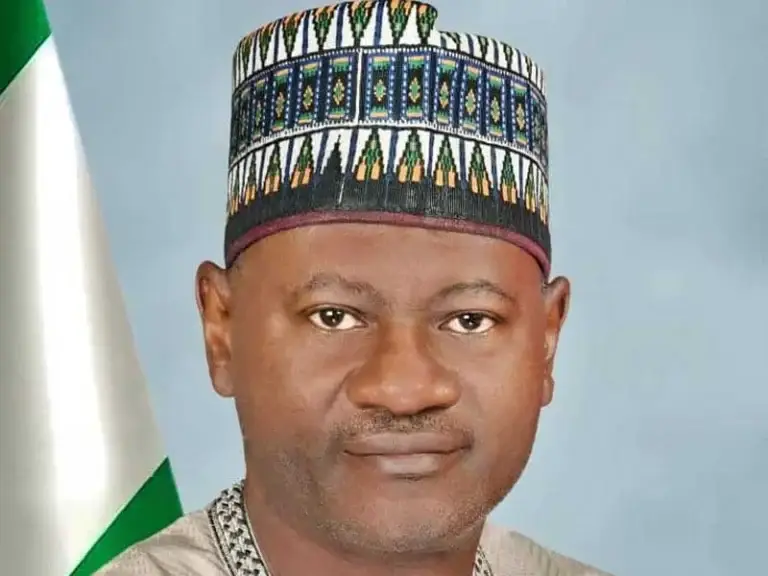
The Director-General of the IPCR, Dr Joseph Ochogwu, made the call in an Independence Day statement issued on Wednesday, saying the anniversary provided an opportunity for Nigerians to reflect on the country’s journey since independence, celebrate its achievements and renew their commitment to building a peaceful, united, secure and prosperous nation. “IPCR notes that sustainable development cannot be achieved in an environment characterised by violent conflict, intolerance, hate speech, exclusion and mistrust,” Ochogwu said. “Consequently, the Institute calls on all Nigerians to make peacebuilding and peaceful coexistence a shared responsibility”.
The IPCR’s appeal came as Nigeria prepared to mark 66 years of independence amid a complex security landscape. A 2026 Global Terrorism Index ranked Nigeria as the fourth most insecure country in the world, and the Inspector-General of Police, Olatunji Disu, acknowledged that kidnapping, banditry, terrorism and communal violence continued to threaten the lives and peace of Nigerians. The Institute’s intervention therefore carried both symbolic and practical weight, framing peace not as an abstract ideal but as a precondition for the development that Nigerians have long been promised.
The IPCR urged political leaders, traditional and religious institutions, civil society organisations, the media, young people and other stakeholders to promote dialogue, tolerance and constructive engagement in addressing differences and resolving disputes. With the 2027 general elections approaching, the Institute stressed the need for peaceful political participation and responsible civic engagement, urging political actors to conduct their activities within the bounds of the law and democratic principles. Ochogwu specifically called on political actors and their supporters to “reject violence, inflammatory rhetoric, misinformation, disinformation and other actions capable of heightening tensions or undermining national cohesion”.
The timing of the IPCR’s statement reflects the urgency of the moment. Nigeria’s political calendar is entering a decisive phase, with the presidential and National Assembly elections scheduled for January 16, 2027, and the governorship and state assembly elections following on February 6. The campaign season has already been marked by reports of political violence, including attacks on opposition convoys, disruptions of political gatherings and inflammatory rhetoric in several states. The National Peace Committee has secured commitments from presidential candidates to conduct issue-based campaigns, and peace accords have been signed in several states, including Adamawa and Benue. Yet the persistence of violence has raised questions about whether such commitments will translate into peaceful conduct on the ground.
The IPCR framed elections not merely as contests for political power but as opportunities for citizens to exercise their constitutional rights and strengthen democratic governance. It acknowledged the sacrifices of security agencies and other peace actors working to protect communities and maintain national security, and called for stronger collaboration among government institutions, security agencies, communities and civil society organisations to prevent and respond to emerging conflicts. The Institute also called for greater investment in peacebuilding, conflict prevention, early warning and early response mechanisms, youth empowerment, social inclusion and community resilience. Addressing the root causes of conflict, including poverty, unemployment, exclusion and social injustice, remained critical to securing lasting peace, Ochogwu said, adding that “Nigeria’s diversity remained one of its greatest assets and its future would be better secured when citizens, irrespective of ethnic, religious, political, regional or social differences, regarded themselves as stakeholders in one national project”.
The IPCR was established in February 2000 and subsequently given statutory backing by the IPCR (Establishment) Act No. 34 of 2007. It operates as a parastatal under the Ministry of Foreign Affairs and functions as a government think-tank on peacebuilding, conflict management and conflict resolution, providing research, policy advisory and direct interventions in conflict prevention to the Nigerian government and other peacebuilding actors. Its mandate includes promoting research and facilitating conflict prevention, management and resolution within Nigeria and Africa. Over the years, the Institute has been involved in capacity building for security agencies, youth training programmes, interfaith dialogue and early warning systems. In 2026 alone, it convened a national peace lecture, trained Nigerian youths on rejecting hate speech ahead of the 2027 elections, and consistently urged political actors to place national interest above personal ambition.
The IPCR’s Independence Day message also echoed calls from other national figures. Senate President Godswill Akpabio, speaking at an interdenominational church service, urged Nigerians to reject tribalism, bitterness and religious intolerance, saying “I see a peaceful Nigeria. I see a prosperous Nigeria”. President Bola Tinubu, represented by Akpabio, reaffirmed his administration’s commitment to building a secure, stable and economically prosperous nation, and urged Nigerians to safeguard 27 years of uninterrupted democratic governance through peace, dialogue and national cohesion ahead of the 2027 elections.
Ochogwu reaffirmed the IPCR’s commitment to supporting the government and other stakeholders in strengthening Nigeria’s peace architecture and promoting a culture of dialogue, tolerance and peaceful conflict resolution. The Institute urged Nigerians to recommit themselves to unity, justice, peaceful coexistence, responsible citizenship and national service as the country enters another year of nationhood, and called on citizens to work together in the spirit of “one nation, one people” to build a peaceful, inclusive and prosperous country for present and future generations.
For Nigerians, the IPCR’s message carries both a warning and an invitation. The warning is that the country’s development ambitions cannot be realised if its communities remain divided by violence, mistrust and exclusion. The invitation is to see peace not as the responsibility of government alone but as a shared obligation of every citizen, every institution and every stakeholder. As Ochogwu put it, “Sustainable development cannot be achieved in an environment characterised by violent conflict, intolerance, hate speech, exclusion and mistrust.” With the 2027 elections approaching and the country’s security challenges showing few signs of abating, the question of whether Nigerians will heed that call will shape the next chapter of the nation’s story.
📩 Stone Reporters News | 🌍 stonereportersnews.com
✉️ info@stonereportersnews.com | 📘 Facebook: Stone Reporters News | 🐦 X (Twitter): @StoneReportNew | 📸 Instagram: @stonereportersnews
Add comment
Comments