

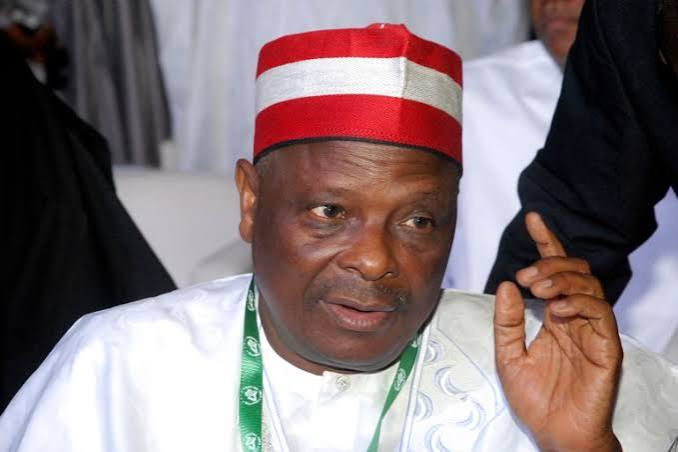
The Kwankwasiyya Movement has said it will not respond to alleged intimidation and harassment with violence, declaring that it will instead use legal and constitutional means to defend its members and other citizens whose rights it believes have been violated in Kano State.
The movement made its position known in a statement issued by its spokesperson, Dr Habibu Sale Mohammed, amid continuing political disagreements in Kano and allegations concerning the treatment of opposition supporters and government critics.
The group accused the Kano State Government of using state institutions to intimidate, harass and silence individuals considered critical of the administration.
It said that despite what it described as continuing provocation, its members had been instructed to remain peaceful and pursue their grievances through the courts and other lawful institutions.
The movement maintained that it would not encourage supporters to resort to violence.
According to the group, the appropriate response to an alleged violation of a citizen's rights is to seek legal redress and demand accountability through established institutions.
The Kwankwasiyya Movement said it was particularly concerned about recent arrests and detention of some of its supporters in Kano.
Its latest statement followed concerns raised by Amnesty International over alleged arrests, detention and harassment of government critics in the state.
The movement cited the cases of two of its members, Abba Ibrahim Hussein, popularly known as Aiha, and Murtala Dawanau.
Both men have been subjects of legal proceedings in Kano.
Days before the latest statement, the movement submitted petitions to the Chief Judge of Kano State, Justice Dije Aboki, and the Kano State Judicial Service Commission concerning what it alleged was selective treatment of opposition figures within the judicial process.
The petitions were submitted at the Kano State High Court Complex.
Dr Yusuf Kofarmata, a former Kano State Commissioner for Science and Technology and leader within the movement, told journalists that the petitions concerned the treatment of Hussein and Dawanau before a Sharia Court sitting in Ungoggo.
The movement alleged that political considerations had influenced aspects of the judicial process involving its supporters.
Those claims have not been established as facts and were presented by the movement for investigation by the appropriate judicial authorities.
Kofarmata said the group wanted the complaints examined independently rather than allowing political disagreements to undermine confidence in the judiciary.
The movement also raised allegations concerning Kano State Attorney-General and Commissioner for Justice Haruna Isa Dederi.
It alleged that there had been threats or plans to use judicial processes against individuals perceived to support the Kwankwasiyya Movement and other opposition interests.
The movement specifically raised concerns that some opposition supporters could be arrested, arraigned and denied bail until after the forthcoming general election.
It acknowledged in its petition that these were allegations requiring independent verification and should not be treated as established facts.
The group said its primary concern was ensuring equality before the law regardless of political affiliation.
“The Judiciary should remain above political divisions, and all allegations of judicial or political interference should be subjected to objective examination and lawful action,” Kofarmata said in presenting the movement's position.
The latest statement reinforced that approach.
Rather than responding physically to what it regards as political intimidation, the Kwankwasiyya Movement said it would continue approaching the courts and relevant government institutions.
The group nevertheless warned authorities against interpreting its commitment to peaceful and legal action as weakness.
It said its members should not be provoked into abandoning their commitment to lawful processes.
The movement maintained that constitutional democracy provides mechanisms through which citizens can challenge arrest, detention, government decisions and alleged violations of fundamental rights.
It said those were the mechanisms it intended to use.
The Kwankwasiyya Movement is associated with former Kano State governor and former presidential candidate Rabiu Musa Kwankwaso and remains a major political force in Kano State.
The movement has been involved in a series of political disputes in the state, including disagreements concerning defections, political appointments, constituency projects and the treatment of its supporters.
Earlier in September, the movement accused the Kano State Government of obstructing a federal constituency road project intended for communities in the Ungogo/Minjibir Federal Constituency.
It also criticised the suspension of councillors in Kano Municipal and Tarauni local government areas, alleging that some of them were being targeted because they refused to change their political allegiance.
Those allegations were made by the Kwankwasiyya Movement and did not, by themselves, establish wrongdoing by the Kano State Government.
Political tension involving the movement has also previously resulted in competing allegations of intimidation and violence.
In March 2026, the Kwankwasiyya Movement accused political thugs allegedly linked to the All Progressives Congress of attacking its members during a political gathering in Rogo Local Government Area.
The meeting had reportedly been organised to receive defectors from the Peoples Democratic Party.
The allegation against the APC was disputed within the broader political contest in Kano and remained an accusation by the movement.
Other groups have, at different times, made allegations against the Kwankwasiyya Movement itself.
Such accusations have included claims concerning inflammatory political rhetoric and the conduct of some supporters.
The movement has rejected attempts to portray it as an organisation committed to political violence and has repeatedly described itself as a political movement pursuing its objectives through democratic processes.
The latest statement appears intended to reinforce that position.
The group said its response to arrests, alleged intimidation and perceived political interference would be petitions, court actions and other constitutional measures rather than violence.
The movement also called on institutions responsible for administering justice to remain independent of political interests.
It said political affiliation should not determine whether a citizen is arrested, prosecuted, granted bail or otherwise treated differently within the justice system.
Its recent petition to the Kano Chief Judge and Judicial Service Commission asked the authorities to investigate the allegations and take lawful action where misconduct or procedural irregularities are established.
The movement also requested that matters falling outside the jurisdiction of the Judicial Service Commission be referred to appropriate authorities for consideration.
The Kano political environment has undergone substantial changes ahead of the 2027 general election, with shifting alliances and disagreements between political movements and parties.
The Kwankwasiyya Movement has remained active within those developments while continuing to identify with the political leadership of Kwankwaso.
Against that background, its latest declaration places emphasis on peaceful political engagement and legal action.
The movement said it would defend its members against what it considers intimidation but would not respond through retaliatory violence.
It called on supporters to remain peaceful and allow legal institutions to address disputes.
At the same time, the movement urged the Kano State Government and relevant authorities to ensure that freedom of expression, political association and other constitutional rights are respected.
Its central message was that political disagreements should be resolved through democratic and judicial institutions rather than confrontation.
The allegations against the Kano State Government and other officials remain contested political claims unless established through investigations or judicial proceedings.
The Kwankwasiyya Movement, however, says it has chosen how it intends to pursue those complaints: through petitions, litigation and other legal channels.
For its supporters, the movement's instruction is to avoid violence even where they believe they have been intimidated or unfairly treated.
The group maintained that the law should remain the avenue through which political grievances and alleged rights violations are addressed.
📩 Stone Reporters News | 🌍 stonereportersnews.com
✉️ info@stonereportersnews.com | 📘 Facebook: Stone Reporters News | 🐦 X (Twitter): @StoneReportNew | 📸 Instagram: @stonereportersnews
Add comment
Comments