

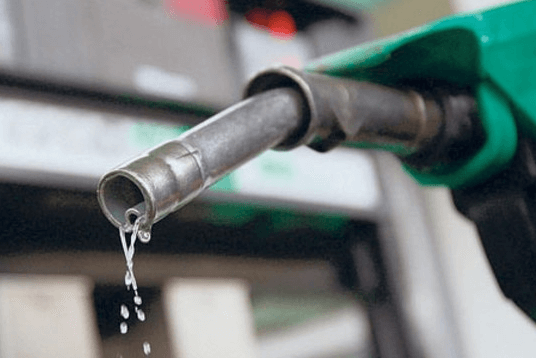
Petrol price for Nigeria fit soon climb reach about ₦1,050 per litre as price of crude oil for international market dey go up and foreign exchange wahala still dey affect the cost of bringing fuel enter the country. Energy experts and fuel marketers don warn say if the situation continue like this, Nigerians fit soon see another increase for pump price across the country.
Even though Nigeria be one of the biggest crude oil producers for Africa, the country still dey depend plenty on imported refined petroleum products because local refineries never dey produce enough fuel to serve the whole nation. Because of this, petrol price for Nigeria dey strongly depend on wetin dey happen for global oil market, shipping cost, and the exchange rate between the naira and foreign currencies.
Recently, crude oil price for international market don begin rise again because of supply issues and tensions for some oil-producing regions of the world. These developments don make the cost of importing refined fuel go higher. Since fuel importers dey buy petroleum products in U.S. dollars, the weakness and fluctuation of the naira against major foreign currencies don also make the landing cost of petrol rise sharply.
Energy industry stakeholders talk say with the way the market dey move now, fuel marketers fit soon increase pump prices so that they go fit cover the high cost of supply. According to projections from industry players, petrol price for many parts of Nigeria fit move close to or even pass ₦1,050 per litre if international crude oil prices continue to rise and the naira still remain under pressure.
This warning dey come as Nigeria still dey manage the effects of fuel subsidy removal wey the federal government introduce in 2023. For many years before that time, the government bin dey pay subsidy to keep petrol prices low for Nigerians. But the subsidy policy cost the government huge amount of money and many economists say it no sustainable.
When the subsidy removal start, petrol prices begin increase sharply across the country because market forces now dey determine the price. Since that time, fuel prices don change several times depending on global crude oil prices and the exchange rate of the naira.
Fuel marketers explain say the possible increase wey dey come now na the reality of a deregulated petroleum market. In such system, importers must sell fuel at prices wey go allow them recover their cost and continue supplying the market. According to them, crude oil price for the international market na one of the biggest factors wey determine how much petrol go cost for filling stations, together with shipping cost, port charges, transportation, and currency exchange.
Industry experts also explain say whenever global crude oil price increase, the cost of refining and transporting petroleum products go also rise. Since Nigeria still dey import large quantity of fuel, the country dey directly feel the effect of these international price changes.
The possibility say petrol price fit reach ₦1,050 per litre don already cause serious concern among transport operators, small business owners, and ordinary Nigerians. Fuel dey play a very important role for Nigeria’s economy because e dey power vehicles, generators, factories, and many other machines.
Because electricity supply still dey unreliable for many parts of the country, plenty households and businesses depend on petrol-powered generators to get power. As a result, any increase in petrol price dey quickly affect the daily living cost of many Nigerians.
Economists warn say another big increase in fuel price fit push inflation go higher. When fuel price increase, transport cost dey rise and businesses also spend more money to move goods from one place to another. These extra costs usually end up in higher prices for food, goods, and services for the final consumers.
Transport unions and commercial drivers don also express worry about the possible price increase. According to them, if fuel price rise again, they fit have no choice than to increase transport fares so that they go fit survive the higher operating costs. Such development fit place additional burden on commuters wey already dey struggle with high cost of living.
The federal government don repeat many times say it no get plan to bring back fuel subsidy again. Government officials argue say subsidy system bin dey drain public funds and also encourage corruption and inefficiency for the petroleum sector.
Instead, the government say it dey focus on long-term solutions such as increasing domestic refining capacity and improving the stability of the national currency. One of the major developments wey people dey expect to help reduce fuel importation na the expansion of local refining operations across the country.
Nigeria get some government-owned refineries but many of them don suffer from years of poor maintenance and underperformance. Efforts dey ongoing to repair and upgrade these facilities, although the process dey move gradually.
At the same time, new private refinery projects across the country dey expected to increase Nigeria’s local fuel production capacity in the future. Energy experts believe say if local refining improve well, Nigeria go reduce dependence on imported petroleum products and the country go fit escape some of the shocks wey global oil market dey cause.
However, analysts still warn say these structural improvements go take time before Nigerians go begin feel the full impact for pump prices. For now, petrol price for Nigeria still go depend heavily on international crude oil prices, exchange rate movements, and supply chain costs.
Fuel marketers say they still dey watch global oil prices and foreign exchange trends closely before they make final decisions on any new price adjustment. Although the ₦1,050 projection never be confirmed price yet, the warning show say serious pressure dey build inside Nigeria’s fuel supply system.
Across the country, Nigerians dey observe the situation carefully because even small increases in fuel prices fit cause major changes in transportation, food prices, and the general cost of living.
As Nigeria continue the transition to a fully market-driven fuel pricing system, the challenge of balancing global energy realities with domestic economic pressure still remain one of the biggest issues facing the government, businesses, and citizens.
📩 Stone Reporters News | 🌍 stonereportersnews.com
✉️ info@stonereportersnews.com | 📘 Facebook: Stone Reporters | 🐦 X (Twitter): @StoneReportNew | 📸 Instagram: @stonereportersnews
Add comment
Comments