

Reported by: Ijeoma G | Edited by: Oravbiere Osayomore Promise.
Nigeria’s Securities and Exchange Commission (SEC) has ordered the immediate freezing of all assets belonging to 13 individuals and corporate entities allegedly linked to terrorism financing, in a decisive regulatory action aimed at tightening oversight of the country’s capital market and blocking potential channels of illicit funding.
The directive, issued under Nigeria’s anti-money laundering and counter-terrorism financing framework, follows the designation of the affected persons and companies by the Nigeria Sanctions Committee under the Terrorism (Prevention and Prohibition) Act, 2022. The order compels all capital market operators, including stockbrokers, fund managers, custodians, and other registered intermediaries, to immediately identify and freeze any funds, securities, or financial resources associated with the listed entities.
According to the SEC, the measure is effective across all investment platforms and financial instruments regulated within Nigeria’s capital market. Operators are required to suspend any ongoing transactions linked to the designated persons, prevent the movement or liquidation of their assets, and submit detailed compliance reports to the relevant national authorities, including the Nigeria Sanctions Committee and the Nigerian Financial Intelligence Unit.
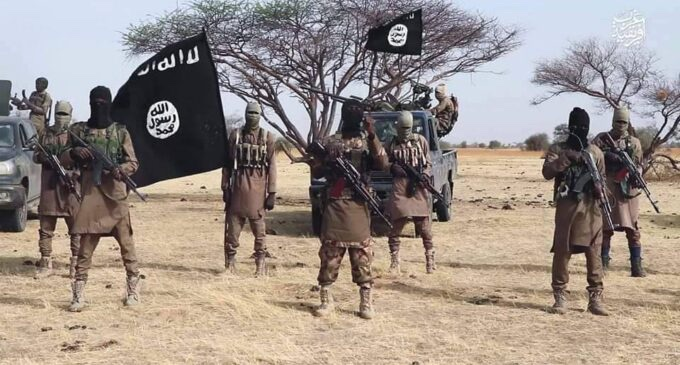
The sanctions list includes 10 individuals and three corporate entities. Authorities say the action is based on intelligence and prior international findings suggesting that some of the individuals were previously convicted abroad for terrorism-related financing activities, including allegations that funds were routed through foreign jurisdictions into Nigeria to support extremist groups. In earlier cases referenced by regulators, some convictions were reportedly handed down by courts in the United Arab Emirates, where individuals were found guilty of channeling funds suspected of supporting Boko Haram operations.
The corporate entities named in the order are alleged to have been used as financial channels to move or conceal illicit funds. Investigators believe that such businesses may have served as fronts to disguise the origin and destination of transactions, a method increasingly used in global terrorism financing schemes to evade detection by conventional banking systems.
The SEC emphasized that the asset freeze is preventive in nature and not a criminal conviction. Officials explained that the action is intended to disrupt possible financial networks before funds can be deployed for unlawful purposes. Criminal prosecution, they added, remains within the jurisdiction of law enforcement and judicial authorities.
Under the directive, financial institutions are required to immediately screen all client accounts against the sanctions list and activate enhanced monitoring systems for any potential matches. The order also extends compliance obligations to non-bank financial intermediaries operating in the capital market, including investment advisers and portfolio managers who may indirectly handle funds or securities on behalf of clients.
Operators have been instructed to file suspicious transaction reports without delay and to maintain continuous surveillance on accounts or assets that may be linked to the designated individuals or entities. The SEC warned that failure to comply with the directive could result in regulatory sanctions, including financial penalties, license suspension, or criminal liability under applicable laws.
The individuals listed in the sanctions include Abdurrahaman Musa Ado, Bashir Ali Yusuf, Ibrahim Ali Alhassan, Muhammad Ibrahim Isah, Salihu Yusuf Adamu, Surajo Abubakar Mohammad, Fannami Alhaji Bukar, Muhammed Musa, Sahabi Ismail, and Mohammed Saleh Buba. The corporate entities identified are Alin Yar Yaya General Enterprises, Are Nigeria Limited, and Suhailah Bashir General Enterprises.
Regulatory sources indicate that the listed individuals have previously been subjects of international investigations related to terrorism financing allegations, with some cases involving cross-border financial transfers flagged by foreign intelligence and judicial authorities. Nigerian regulators say the latest action reflects coordinated efforts to align with global standards on anti-money laundering and counter-terrorism financing compliance.
The development comes amid increasing pressure on financial systems worldwide to strengthen safeguards against the misuse of legitimate markets for illicit purposes. Nigeria, like many jurisdictions, has faced ongoing scrutiny from international monitoring bodies to enhance transparency and improve enforcement mechanisms within its financial sector.
Analysts note that the SEC’s directive underscores the growing role of financial regulators in national security enforcement, particularly in tracking and blocking suspicious capital flows before they enter or move through formal markets. The capital market, while essential for investment and economic growth, has also been identified as a potential channel for laundering funds if not properly monitored.
Market operators are now expected to update internal compliance systems to reflect the sanctions list and ensure real-time screening of clients and transactions. Regulators have also emphasized the need for continuous reporting and stronger due diligence procedures, particularly in high-risk accounts or transactions involving complex ownership structures.
While the immediate market impact is expected to be limited, compliance costs for financial institutions may rise as systems are upgraded to meet stricter monitoring requirements. Authorities, however, insist that the measures are necessary to safeguard the integrity of Nigeria’s financial system and to prevent exploitation by criminal networks.
The SEC has stated that enforcement actions will continue as part of a broader national strategy to combat illicit financial flows and strengthen coordination among regulatory and security agencies. Officials also indicated that further designations may follow as investigations progress and intelligence is updated.
As implementation begins, the regulator is expected to closely monitor compliance across all segments of the capital market, with strict penalties for any breaches of the freeze order. Authorities maintain that full cooperation from financial institutions is essential to ensure the effectiveness of the sanctions regime and to protect the financial system from abuse.
📩 Stone Reporters News | 🌍 stonereportersnews.com
✉️ info@stonereportersnews.com | 📘 Facebook: Stone Reporters News | 🐦 X (Twitter): @StoneReportNew | 📸 Instagram: @stonereportersnews
Add comment
Comments