

Reported by: Ijeoma G | Edited by: Oravbiere Osayomore Promise.
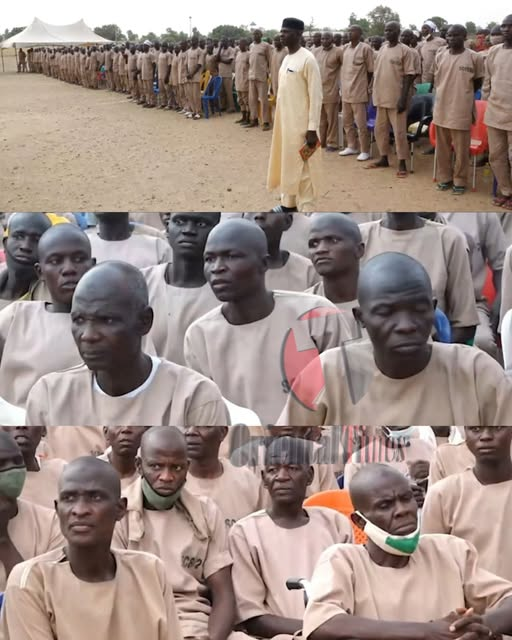
The Nigerian military has confirmed that more than 700 former insurgents who have undergone rehabilitation under government-run deradicalisation programmes are set to be reintegrated into society, as part of ongoing efforts to address violent extremism and support long-term peacebuilding in affected regions.
The announcement comes amid renewed national debate over the effectiveness, transparency, and security implications of Nigeria’s reintegration strategy for former members of armed extremist groups, particularly in the country’s North-East where the Boko Haram insurgency has lasted over a decade.
Military authorities explained that the individuals involved are participants in structured rehabilitation and reintegration initiatives, which include psychological counselling, vocational training, civic reorientation, and monitoring mechanisms before their release back into civilian life. The programme is designed to reduce the risk of recidivism and support communities that have been heavily impacted by years of conflict.
The initiative is linked to Nigeria’s broader counterterrorism framework, which includes the “Operation Safe Corridor” programme, established to provide a formal pathway for low-risk, repentant fighters to disengage from armed groups. Under this framework, participants are screened, separated from active combatants, and subjected to a structured rehabilitation process before being considered for reintegration.
Security officials maintain that the programme is guided by international deradicalisation practices used in countries facing similar insurgencies. They argue that reintegration is a critical component of conflict resolution, particularly in situations where thousands of fighters have surrendered or been captured over time, and where prolonged detention without rehabilitation is considered unsustainable.
However, the policy remains controversial among segments of the Nigerian public and civil society groups, many of whom argue that reintegrating former fighters into communities that were directly affected by violence raises serious safety and trust concerns. Victims’ groups and some local leaders have repeatedly expressed fears that the process may not adequately address trauma experienced by affected communities or guarantee sufficient monitoring of released individuals.
Security analysts note that the success of such reintegration programmes often depends on a balance between justice, accountability, and reconciliation. While deradicalisation aims to reduce the likelihood of former combatants returning to violence, experts warn that weak post-release monitoring systems and limited community engagement can undermine the effectiveness of such efforts.
The Nigerian military, however, insists that the reintegration process is carefully managed and involves collaboration with multiple government agencies, international partners, and humanitarian organisations. Officials say participants are only released after they are assessed as posing minimal security risk and having demonstrated genuine behavioural change during the rehabilitation phase.
The announcement also reflects a broader trend in Nigeria’s handling of insurgency-related cases, where thousands of individuals linked to extremist groups have either surrendered or been captured over the years. In several instances, former fighters have been documented undergoing structured reintegration, including vocational training and relocation support, before being returned to civilian life in their communities or designated resettlement areas.
Despite these efforts, the issue remains politically and socially sensitive. Critics argue that while reintegration programmes may serve strategic security goals, they must be matched with stronger victim support systems, including compensation, trauma counselling, and community rebuilding initiatives to prevent resentment and social division.
Government officials have previously defended the approach, stating that sustainable peace cannot be achieved through military force alone and that rehabilitation of willing defectors is a key component of counterinsurgency strategy. They also argue that ignoring surrendered fighters could prolong instability and make post-conflict recovery more difficult.
As Nigeria continues to confront insurgency threats in parts of the North-East and sporadic extremist activity in other regions, the reintegration of former fighters remains a central but contentious pillar of national security policy. The latest batch of over 700 individuals set for reintegration is expected to further intensify public debate over how best to balance security concerns with long-term peacebuilding objectives.
Authorities have not released full operational details of the individuals involved, but have reiterated that the process is ongoing and subject to security vetting procedures. They also maintain that reintegration is conducted in phases and that community sensitisation efforts are being strengthened to ease acceptance and reduce potential tensions.
For now, the development underscores the continuing challenge facing Nigeria’s security architecture: managing the transition from active conflict to post-conflict stability while addressing the deep social wounds left behind by years of insurgent violence.
📩 Stone Reporters News | 🌍 stonereportersnews.com
✉️ info@stonereportersnews.com | 📘 Facebook: Stone Reporters News | 🐦 X (Twitter): @StoneReportNew | 📸 Instagram: @stonereportersnews
Add comment
Comments