

Reported by: Ijeoma G | Edited by: Carmen Diego
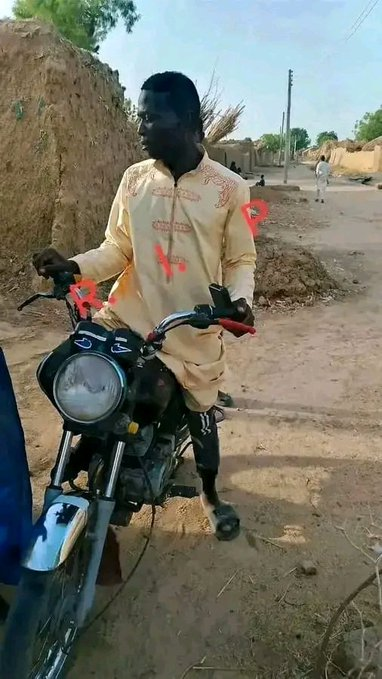
Armed bandits on Thursday afternoon attacked the Gazau community in Isa LGA of Sokoto State, killing a resident and escaping with his motorcycle, according to local accounts. The assault occurred around 2 p.m. when the gunmen reportedly pursued the victim into his residence before opening fire. The killing has deepened anxiety among inhabitants who say persistent insecurity continues to disrupt daily life in the area.
Witnesses told local reporters that the victim was a civilian with no known criminal background. Residents described the man as a hardworking community member who was returning home when the attackers chased him into his compound. The assailants reportedly fired several shots at close range, killing him instantly before fleeing the community through nearby bush paths. No group has yet claimed responsibility for the attack, though banditry remains a dominant security challenge across northwestern Nigeria.
Community members said the attack unfolded quickly and left little opportunity for intervention. Some villagers reported hearing gunshots followed by frantic movement as people sought safety inside their homes. By the time neighbours attempted to respond, the attackers had already fled with the victim’s motorcycle. The absence of immediate security patrols in the vicinity has become a recurring concern among residents who believe response time to emergencies remains inadequate.
The incident adds to a growing pattern of violence affecting rural settlements across the northern region. Over the past several years, armed groups operating in forests and remote communities have carried out kidnappings, livestock rustling, and targeted killings. Local security observers note that many attacks are designed not only for material gain but also to instill psychological pressure on vulnerable populations, forcing farmers and traders to abandon livelihoods.
Residents of Gazau said fear has become part of everyday life. Many families now restrict movement after sunset, while others have begun relocating temporarily to safer neighbouring towns. Some farmers reported reduced agricultural activity due to the risk of ambushes along routes leading to farmlands. Community leaders have repeatedly appealed for stronger security presence, arguing that rural settlements are disproportionately exposed to bandit violence.
Security analysts suggest that the geography of Sokoto State, which shares porous borders with several other northwestern states, has contributed to the persistence of criminal networks. Dense vegetation in surrounding areas reportedly provides hideouts for armed groups, complicating military operations. Authorities have in recent years launched several security initiatives aimed at curbing banditry, but attacks continue to occur intermittently despite these measures.
Local sources said the victim was not associated with any vigilante or armed community group. This detail is significant in a region where retaliatory violence sometimes follows conflicts involving local defence volunteers and criminal elements. The killing of a non-combatant civilian has therefore intensified outrage among residents who are demanding accountability and improved protection from state authorities.
Traditional leaders in Isa LGA have also expressed concern over the incident, urging security agencies to conduct thorough patrols around vulnerable communities. Some community elders warned that continued attacks could trigger displacement waves and worsen humanitarian conditions in the region. They stressed that economic activities, including small-scale farming and trading, are increasingly threatened by the persistent insecurity.
Spokespersons for security agencies in the state have yet to issue a detailed public statement regarding the Gazau attack at the time of this report. However, authorities have previously reiterated commitment to combating armed groups operating in the northwest. Military and police units have conducted periodic operations targeting suspected bandit camps, though analysts argue that long-term stabilization requires addressing socioeconomic vulnerabilities that facilitate recruitment into criminal networks.
The motorcycle stolen during the attack is believed to be the primary material gain for the assailants. In many rural attacks across northern Nigeria, motorcycles are frequently targeted due to their commercial value and utility for mobility in difficult terrain. Security researchers say such items are often resold through informal black markets or used by criminals to navigate forested zones.
Human rights observers have warned that repeated violence against civilians in communities such as Gazau risks undermining public trust in state security institutions. They argue that residents who feel unprotected may resort to forming unregulated local defence groups, a development that could complicate law enforcement coordination and potentially escalate conflict dynamics in the region.
The attack also highlights broader regional security challenges affecting agricultural zones in northern Nigeria. Farmers across parts of Sokoto State have reported disruptions to planting and harvesting cycles due to fear of ambushes. Economic experts warn that sustained insecurity could negatively impact food production, market supply chains, and household income stability.
Health officials in nearby settlements indicated that trauma support services remain limited for victims of violent incidents. Many residents exposed to repeated attacks experience psychological stress, but mental health infrastructure in rural northern Nigeria is often insufficient. Community advocates are calling for integrated security and social welfare interventions to address both physical and emotional impacts of the violence.
The federal government of Nigeria has continued to emphasize its commitment to dismantling criminal networks operating in the northwest and other vulnerable zones. Defence authorities have previously launched operations targeting forest-based insurgent and bandit groups, though critics argue that the persistence of attacks reflects structural gaps in intelligence gathering, community engagement, and rapid response deployment.
For the people of Gazau, the latest killing represents another painful reminder of their fragile security environment. Many residents now fear that similar attacks could occur without warning, particularly during daytime hours when people move freely within their communities. Local leaders have renewed calls for sustained security patrols, improved communication networks for emergency reporting, and stronger collaboration between security forces and civilian populations.
As the community mourns the slain resident, tensions remain high in Gazau and surrounding settlements. Villagers say they are waiting for government action that will translate promises of protection into visible security presence on the ground. Until then, life in the community continues under the shadow of uncertainty, with residents hoping that the cycle of violence will eventually be brought under control.
📩 Stone Reporters News | 🌍 stonereportersnews.com
✉️ info@stonereportersnews.com | 📘 Facebook: Stone Reporters | 🐦 X (Twitter): @StoneReportNew | 📸 Instagram: @StoneReportersNews
Add comment
Comments