

Reported by: Oahimire Omone Precious | Edited by: Jevaun Rhashan
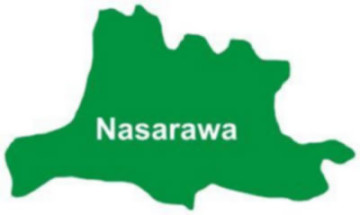
Environmental experts, community leaders, and residents in Nasarawa State have raised serious concerns about the rapid expansion of lithium mining across the state, warning that inadequate regulation, environmental degradation, and threats to local livelihoods could undermine both public health and long-term development if urgent action is not taken. The concerns have focused on operations in and around farming communities, where extraction and processing activities for the metal — a key component in batteries for electric vehicles, smartphones and renewable energy technologies — are growing to meet global demand.
Experts have cautioned that the pace of lithium extraction, especially in Toto, Karu, Udege and Awe local government areas, is outstripping the capacity of regulatory agencies to effectively monitor and manage its environmental footprint. Observers noted that Nigeria’s drive to capitalise on its emerging position in the global lithium market has led to a proliferation of mining and processing operations, but the systemic enforcement of environmental safeguards is weak and often limited to paperwork rather than substantive oversight.
Environmental scientists have identified several risks associated with the current trajectory of lithium mining in the state. These include contamination of surface water and groundwater from mining discharges, dust and air quality issues from rock crushing and processing, deforestation and land degradation from open-pit operations, and the unchecked dispersion of mine waste and tailings. Without robust environmental impact assessments and post-approval monitoring, the extraction process can disrupt local ecosystems and reduce the viability of farmland on which communities depend.
Public health concerns have emerged from reports by residents that water bodies near mining sites are showing signs of contamination. People in agricultural communities have described scenes of mining wastewater entering rivers and streams, with some residents alleging that exposure to this water has led to episodes of ill health, including fever and other symptoms after contact. These accounts have fuelled anxiety about the long-term safety of drinking water and the health of livestock.
The fears extend beyond water quality. Environmental experts have warned that the volume of dust generated by mining and ore processing can degrade air quality and pose respiratory risks for residents living close to extraction sites. Lithium mining fields are often located in rural settings where farms and homes sit adjacent to mining operations, intensifying community exposure to airborne particulates and chemical residues.
Local voices have also highlighted economic and social implications. Historically agrarian communities that relied on farming, fishing and water resources for subsistence have expressed concern that their livelihoods are being disrupted by mining. Crop yields are reported to have declined in areas where soil and water quality have deteriorated, and farms once productive now face encroachment from mining leases and related infrastructure.
Beyond the immediate environmental and health concerns, experts have echoed broader warnings that unregulated lithium mining could amount to a “resource curse” in Nigeria if the benefits of extraction do not translate into local prosperity or if harms are disproportionately borne by host communities. Drawing parallels with the oil sector in the Niger Delta, commentators cautioned that without stronger governance and accountability, the booming lithium sector could replicate patterns of environmental degradation, hardship and socio-economic inequality seen in other resource-rich regions.
Critics argue that Nigeria’s current legal framework for mining, including the Nigerian Minerals and Mining Act (2007) and accompanying regulations, needs substantial strengthening to ensure environmental remediation and meaningful protection of communities. While the environmental impact assessment process is mandated for large mining operations, many residents report they have not seen clear evidence that such studies were conducted or made available to the public before extraction began in their areas. This lack of transparency has eroded confidence that mining firms and authorities are considering long-term environmental and social costs.
Civil society organisations, including advocacy groups focused on environmental justice, have urged the Federal Government and state authorities to act swiftly to enforce existing environmental laws, ensure comprehensive impact assessments are completed and publicly disclosed, and require mining firms to implement safeguards such as water treatment systems, dust suppression measures, and rehabilitation plans for disturbed land. Failure to implement these measures, they warn, could lead to irreversible damage to ecosystems, food systems and human health.
Some residents have also called for direct government intervention to limit the environmental risks posed by lithium extraction activities. In the KAMA community of Udege Development Area, locals reported that mining spillage had hindered crop production and polluted waterways, prompting appeals for assistance from both state and federal authorities. Community members have echoed concerns about the potential long-term health consequences of contaminated soil and water and urged companies to adopt stronger safeguards to protect the environment and people.
Amid these mounting pressures, there are also proposals from researchers and industry analysts who suggest that sustainable and community-inclusive mining practices could reconcile economic benefits with environmental protection. Some studies advocate for integrating local processing facilities, improved technical training for miners, and community-centered frameworks for resource management that prioritise environmental stewardship and equitable benefit sharing. However, significant institutional strengthening and investment in enforcement capacity are seen as prerequisites for such models to succeed.
In sum, the debate in Nasarawa State reflects a broader tension in resource-rich regions: how to balance the economic promise of strategic minerals like lithium with commitments to environmental protection, community wellbeing and social justice. Experts and local residents alike emphasise that without proactive governance, transparent oversight and community participation in decision-making, the rapid expansion of lithium mining risks becoming a socio-environmental liability rather than an opportunity for sustainable development.
📩 Stone Reporters News | 🌍 stonereportersnews.com
✉️ info@stonereportersnews.com | 📘 Facebook: Stone Reporters | 🐦 X (Twitter): @StoneReportNew | 📸 Instagram: @stonereportersnews
Add comment
Comments