

Reported by: Ijeoma G | Edited by: Jevaun Rhashan
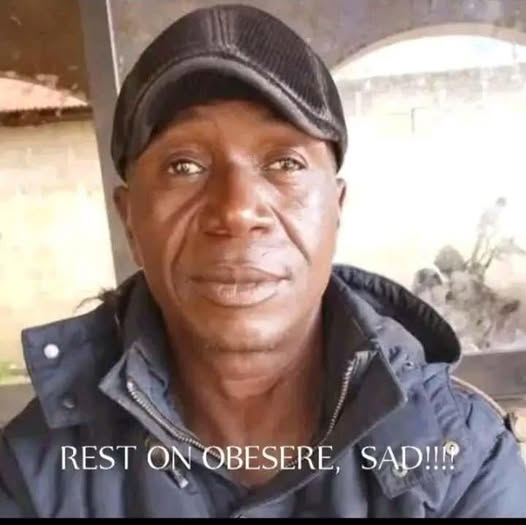
A wave of grief has swept through Ondo State following the killing of Ojo Gbara, widely known as Obesere, whose body was recovered in a forest in neighboring Edo State days after his family reportedly paid ransom to secure his release. The incident has reignited concerns over cross-border kidnapping operations in southwestern Nigeria and intensified calls for coordinated security responses.
Ojo Gbara, a native of Isua Akoko in Akoko South East Local Government Area, was abducted approximately one week before his remains were discovered. Residents described him as a well-known and industrious member of the community whose disappearance immediately triggered widespread alarm. According to family sources and local accounts, his abductors established contact shortly after the kidnapping and demanded a ransom for his safe return.
Community members said relatives, friends and sympathisers mobilised financial resources under intense emotional pressure to meet the demand. The ransom was reportedly raised and delivered through channels directed by the kidnappers. However, despite compliance with the demand, Gbara was not released. Communication reportedly ceased soon after the payment, heightening fears within the community that the situation had taken a darker turn.
Days later, his remains were found in a remote forested area in Edo State. Details surrounding the precise circumstances of the discovery have not yet been formally disclosed by security agencies, but local sources confirmed that the body was recovered and transported back to Isua Akoko. The return of his remains marked a somber moment for residents, many of whom gathered quietly as burial rites were performed in accordance with local customs.
The killing has amplified longstanding anxiety across communities in Akoko and other border areas where dense forests and poorly monitored rural corridors have become flashpoints for criminal activity. Residents say the geography of the region, coupled with limited surveillance infrastructure and stretched security resources, has enabled kidnappers to operate across state lines with relative impunity. Movement between Ondo and Edo states is frequent and often unregulated in rural stretches, complicating rapid response efforts.
Local leaders in Isua Akoko expressed frustration that ransom payments increasingly fail to guarantee the safety of victims. Security analysts note that this pattern reflects a troubling evolution in kidnapping dynamics, where financial extortion is accompanied by heightened brutality and reduced accountability. The psychological impact on families, they add, extends far beyond the immediate loss, undermining public confidence in both negotiation processes and enforcement mechanisms.
Authorities in Ondo State have yet to release an extensive official briefing detailing investigative findings, but law enforcement sources indicate that inquiries are ongoing. Cross-state collaboration between Ondo and Edo security commands is expected to form part of the probe, particularly given the transboundary nature of the crime scene. Forensic examination and intelligence gathering are likely to focus on identifying the network responsible, tracing communication channels used during ransom negotiations, and determining whether the case is linked to broader kidnapping syndicates operating in the southwest corridor.
The tragedy comes amid wider national concern over kidnapping and violent crime in several parts of Nigeria. While security agencies have reported periodic successes against criminal groups, communities in rural and semi-urban areas continue to report abductions targeting farmers, traders, transport operators and returning residents. In many instances, victims are moved across state lines into forested hideouts, complicating jurisdictional response.
Residents of Isua Akoko have called for enhanced patrols, improved surveillance in forest corridors, and stronger inter-state intelligence coordination. Some community representatives have also urged authorities to deploy additional security personnel and invest in technology-driven monitoring systems capable of tracking ransom communications and movement patterns in vulnerable zones. Others advocate deeper engagement with local vigilante networks to strengthen early warning mechanisms.
Civil society observers warn that without sustained enforcement and credible prosecutions, criminal groups may continue exploiting porous boundaries and socio-economic vulnerabilities. They argue that a comprehensive response must extend beyond reactive deployments to include rural policing reforms, investment in communication infrastructure, and community trust-building initiatives that encourage timely reporting of suspicious activities.
As Isua Akoko mourns Ojo Gbara, the atmosphere remains heavy with sorrow and anger. Families and neighbors describe a sense of collective loss that transcends individual grief, viewing the incident as emblematic of a broader insecurity challenge confronting communities across southwestern Nigeria. Religious and traditional leaders have offered prayers and appeals for calm while urging residents to cooperate with investigators.
Security agencies have not yet confirmed arrests in connection with the case. However, officials familiar with ongoing efforts say intelligence operations are being intensified to dismantle kidnapping cells operating along the Ondo-Edo axis. Whether those efforts will yield swift accountability remains uncertain, but the pressure from grieving communities continues to mount.
For now, the burial of Ojo Gbara has brought ritual closure but not emotional resolution. His death stands as another stark reminder of the human cost of insecurity and the urgent need for coordinated, decisive measures to restore public safety across vulnerable regions.
📩 Stone Reporters News | 🌍 stonereportersnews.com
✉️ info@stonereportersnews.com | 📘 Facebook: Stone Reporters | 🐦 X (Twitter): @StoneReportNew | 📸 Instagram: @stonereportersnews
Add comment
Comments